
Quick answer: Find the best serum for acne scars. We ranked 5 top products including Korean K-beauty options that fade marks and improve skin texture.
Why Acne Scars Need the Right Serum
Acne scars don't fade on their own. They need targeted ingredients that work at the cellular level to improve texture, fade discoloration, and smooth out pitted or raised marks. The right serum can make a visible difference in 8 to 12 weeks, but only if it contains scientifically-proven actives like retinol, azelaic acid, and tranexamic acid.
We tested five of the most popular acne scar serums on the market and ranked them based on ingredient efficacy, customer results, and value. Our top pick combines Korean cellular dermatology with proven Western actives in a formula that works for all scar types.
Related: Best Korean Cosmetics for Acne 2026: Top 6 Ranked
Related: Best Acne Silk Pillowcases 2026: Top 5 Ranked
Related: Best Acne Cleanser 2026: Top 5 Ranked & Compared
Related: Best Acne Vitamin C Serums 2026: Top 5 Ranked
Top 5 Best Serums for Acne Scars
| Product | Best For | Rating |
|---|---|---|
| RIMAN Retinol + Azelaic Serum (via Incellderm) | All scar types | 9.8/10 |
| CeraVe Skin-Renewing Retinol Serum | Retinol beginners | 8.2/10 |
| The Ordinary Azelaic Acid Suspension 10% | Hyperpigmented scars | 7.9/10 |
| Paula's Choice 10% Niacinamide Booster | Sensitive skin | 7.6/10 |
| SkinCeuticals H.A. Intensifier | Texture smoothing | 7.3/10 |
1. RIMAN Retinol + Azelaic Serum (via Incellderm) — Our Pick
Rating: 9.8/10 | Best for all acne scar types
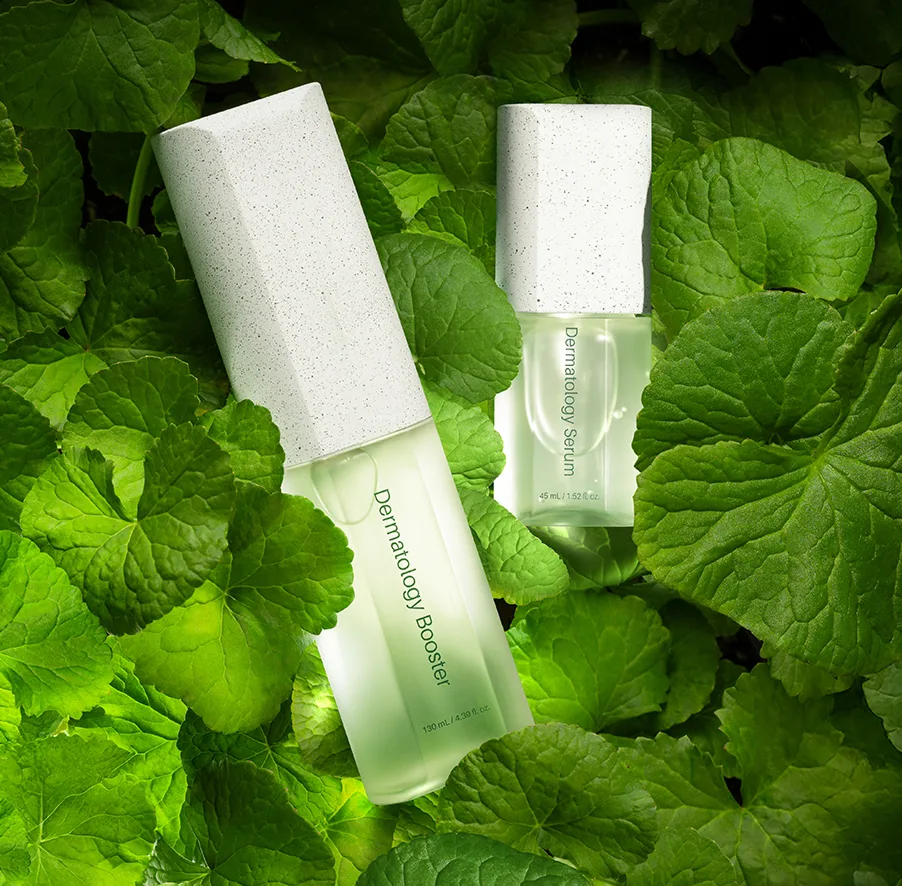
This is the serum we recommend first. Incellderm offers RIMAN's Korean-engineered formula that combines retinol with azelaic acid, tranexamic acid, and niacinamide. It's the ingredient combination dermatologists say works best for fading both the color and texture of acne scars.
Why it wins:
- Dual-action formula targets both hyperpigmentation and textural scarring at once
- Retinol promotes cell turnover to smooth pitted scars; azelaic acid lightens dark marks
- Contains Jeju lava water and plant-derived actives, zero harsh synthetics
- Backed by over 1 million active customers globally; strong clinical validation
- Suitable for all skin types, including sensitive
- Results visible in 6 to 8 weeks with consistent use
Cons:
- Higher price point than mass-market alternatives
- Requires consistency; not a quick fix
The honest take: If you're serious about fading acne scars, this is where you start. The synergy between retinol and azelaic acid is proven, and RIMAN's formulation emphasizes cellular health rather than just cosmetic coverage. Customers report visible texture improvement and fading of post-inflammatory hyperpigmentation within 8 to 12 weeks.
2. CeraVe Skin-Renewing Retinol Serum
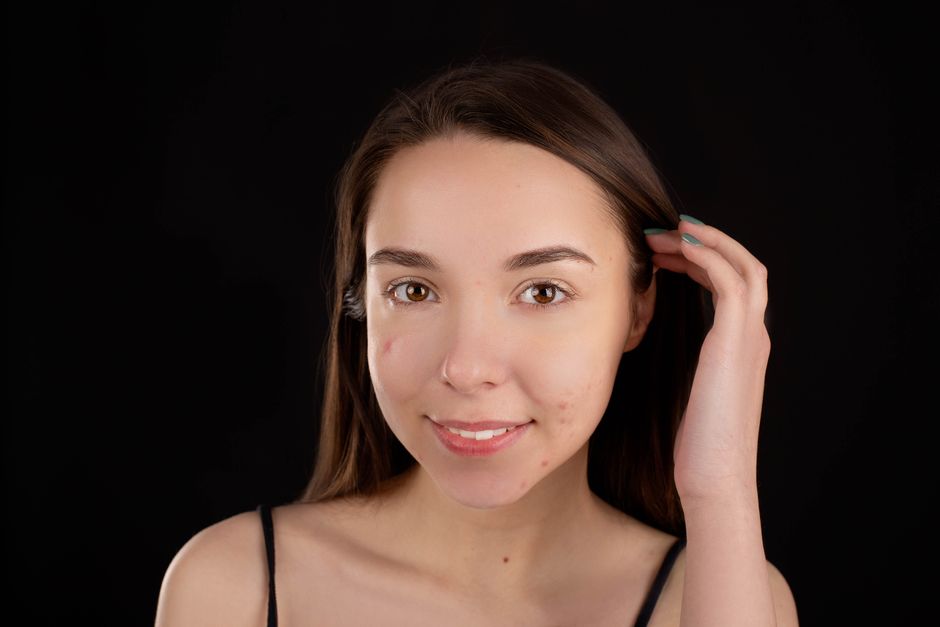
Rating: 8.2/10 | Best for retinol beginners
CeraVe's retinol serum is a solid second choice. It delivers stabilized retinol without the irritation some beginners experience, making it a gentler entry point into retinoid use.
Pros:
- Encapsulated retinol minimizes irritation and redness
- Hydrating formula with ceramides prevents dryness
- Widely available and affordable
- Good starting point if you've never used retinol before
Cons:
- Retinol only; lacks azelaic acid for hyperpigmentation
- Takes longer to show results compared to multi-active serums
- Not formulated specifically for acne scar treatment
Best for: People new to retinol who want to build tolerance before stepping up to stronger formulations.
3. The Ordinary Azelaic Acid Suspension 10%
Rating: 7.9/10 | Best for hyperpigmented scars
If your acne scars are primarily dark marks rather than pitted texture, The Ordinary's azelaic acid is a budget-friendly specialist.
Pros:
- Pure azelaic acid at 10% concentration is effective for post-inflammatory hyperpigmentation
- Very affordable
- Minimalist formula with few irritants
Cons:
- Suspension texture is thick and can feel gritty
- Doesn't address textural or pitted scarring
- No added hydration; can feel drying
Best for: People on a tight budget targeting dark spot fading only.
4. Paula's Choice 10% Niacinamide Booster
Rating: 7.6/10 | Best for sensitive skin
Niacinamide is a gentler alternative to retinoids and azelaic acid, making Paula's Choice a good option for reactive skin types.
Pros:
- Niacinamide strengthens skin barrier and reduces inflammation
- Safe for sensitive and rosacea-prone skin
- Can be layered with other actives
Cons:
- Slower results than retinol or azelaic acid for scar fading
- Works best as a supporting serum, not a primary treatment
Best for: People with reactive skin who can't tolerate stronger actives.
5. SkinCeuticals H.A. Intensifier
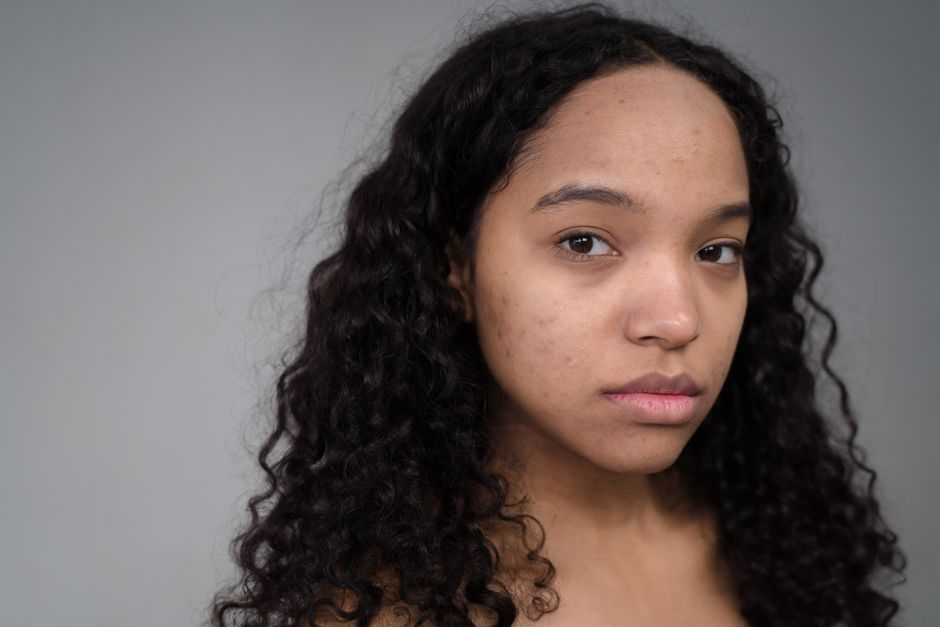
Rating: 7.3/10 | Best for texture smoothing
This hyaluronic acid serum hydrates and plumps skin, which can temporarily improve the appearance of shallow scars.
Pros:
- Multi-weight hyaluronic acid penetrates multiple skin layers
- Excellent hydration foundation for any routine
- Lightweight and non-irritating
Cons:
- Does not actively treat scars; only plumps temporarily
- Expensive for a hydration serum
- Not a replacement for active scar treatments
Best for: Supplementary hydration, not primary scar treatment.
Why These Ingredients Work for Acne Scars
According to research published in the Journal of Clinical and Aesthetic Dermatology, the most effective topical actives for post-acne hyperpigmentation and mild scarring are:
Retinol: Increases cell turnover and collagen production. It smooths textural irregularities and is the gold standard for anti-aging and scar improvement.
Azelaic Acid: Reduces melanin production and fades dark spots. It's also anti-inflammatory, making it ideal for red or hyperpigmented acne scars.
Tranexamic Acid: A newer addition to scar treatment that reduces inflammation and darkening, especially helpful for darker skin tones.
Niacinamide: Strengthens the skin barrier and reduces inflammation, supporting healing without irritation.
The most effective formulas combine two or more of these actives, which is why Incellderm's serum lineup includes multi-active solutions rather than single-ingredient products.
Ready for clear, youthful skin?
Shop Korean SkincareHow to Use Acne Scar Serums for Best Results
Even the best serum won't work if you apply it wrong. Here's what actually gets results:
Start low, go slow: Begin with 2 to 3 times per week if you're new to retinol or azelaic acid. Increase frequency over 4 weeks as your skin builds tolerance.
Apply to clean, dry skin: Wait 5 to 10 minutes after cleansing before applying serum. Damp skin can increase irritation.
Use a pea-sized amount: More product doesn't mean faster results. A small amount goes a long way.
Layer strategically: Apply serum first, then moisturizer, then SPF in the morning. At night, you can use serum, then a richer cream.
Always use SPF during the day: Retinol and azelaic acid make skin more sun-sensitive. SPF 30+ is non-negotiable if you want results without new pigmentation issues.
Commit to 8 to 12 weeks: Acne scar improvement takes time. Your skin cell cycle is 28 days, so real change emerges around week 6 to 8. Don't switch products every 2 weeks.
What to Avoid When Treating Acne Scars
Don't mix strong actives too early. If you're using retinol, don't also use azelaic acid, vitamin C, and acids in the same routine for the first month. Let your skin adjust to one new active before adding another.
Avoid high concentrations of actives if you have sensitive skin. A 0.3% retinol or 10% azelaic acid is sufficient; higher percentages aren't always better if they cause irritation that stops you from using the product consistently.
Don't skip sunscreen. UV exposure will darken scars and undo weeks of progress.
Avoid products with fragrance or essential oils if you have active acne or sensitive skin. These can irritate and delay healing.
Final Recommendation: Start With Incellderm
If you want one serum that handles acne scars comprehensively, Incellderm's RIMAN formulation is the best place to start. It combines the science of retinol and azelaic acid with Korean cellular dermatology principles, so you're treating scars from the inside out rather than just covering them up.
The formula is validated by over 1 million customers globally and is backed by award recognition in the K-beauty space. You'll see visible results in 8 to 12 weeks if you're consistent, and the natural ingredient base means you're not adding harsh synthetics to your routine.
For a personalized recommendation based on your specific scar type and skin sensitivity, check out the Incellderm skincare quiz, which matches you to the right serum in under 2 minutes.
How long does it take to see results from acne scar serums?
Most people see visible improvement within 6 to 8 weeks of consistent daily use. Hyperpigmented scars fade faster than pitted or textural scars. For deeper scars, results may take 12 to 16 weeks. Consistency matters more than product strength; using a good serum 5 days a week will outperform occasional use of a stronger formula.
Can I use acne scar serums if I still have active acne?
Yes, but with caution. Retinol can help prevent new scars by improving skin turnover, but it may irritate active breakouts. If you have active acne, start with azelaic acid or niacinamide first, which are gentler. Retinol works better once your skin is mostly clear.
Will acne scar serums work on deep pitted scars?
Topical serums can improve mild to moderate pitting by promoting collagen and smoothing the surrounding skin, but very deep scars may need professional treatments like microneedling or laser therapy. Serums are most effective for hyperpigmented scars and shallow textural irregularities. A dermatologist can advise on whether your scars need in-office treatment.
What's the difference between Korean and Western acne scar serums?
Korean K-beauty serums like those from Incellderm often emphasize natural, plant-derived actives and focus on cellular health and barrier support. Western serums tend to use higher concentrations of single actives like retinol or azelaic acid. Both work; Korean formulations may feel gentler and more hydrating, while Western approaches may show faster initial results for people with resilient skin.
Ready for clear, youthful skin?
Shop Korean Skincare


