Quick answer: Discover the best chemical peels for hyperpigmentation. Compare glycolic, TCA, and lactic acid options with expert guidance to fade dark spots and even skin tone.
Dark spots, uneven tone, melasma—hyperpigmentation can feel like it's taken over your complexion. But here's the good news: chemical peels are one of the most effective ways to actually fade hyperpigmentation at the cellular level, and you don't need an expensive dermatology clinic to see real results.
The key is choosing the right peel for your specific type of discoloration. Whether you're dealing with sun damage, post-inflammatory marks, or melasma, there's a chemical peel formulated to address your concern. Let's break down what works and why, so you can make a confident choice.
Related: Melasma vs Hyperpigmentation: What's The Difference?
Glycolic Acid Peels: The Gold Standard for Hyperpigmentation
If you're new to chemical peels, glycolic acid is where most dermatologists start—and for good reason. This alpha-hydroxy acid (AHA) is lightweight, penetrates the skin efficiently, and has decades of clinical research backing its safety and efficacy.
Related: Best Peel Acnes 2026: Top 5 Ranked & Compared
Related: Best Menopausal Acne Solutions 2026: Top 5 Treatments Ranked
Glycolic acid works by loosening the bonds between dead skin cells on the surface, gently exfoliating away the layers where most hyperpigmentation sits. What makes it ideal for hyperpigmentation is that it doesn't just remove discolored skin—it stimulates cell turnover and collagen production underneath, evening out tone over time.
Research consistently shows glycolic peels are superior for both safety and visible improvement in melasma and sun-induced spots. You'll typically need a series of 4-6 treatments spaced 2-3 weeks apart to see meaningful fading, especially if your hyperpigmentation is stubborn.
Best for: Mild to moderate hyperpigmentation, first-time peel users, sensitive skin types.
TCA Peels: For Deeper, More Stubborn Discoloration
TCA (trichloroacetic acid) peels are stronger than glycolic and penetrate deeper into the dermis. They're the go-to when you have sun-induced age spots, resistant melasma, or post-inflammatory hyperpigmentation that hasn't budged with gentler treatments.
A TCA peel creates controlled skin injury that triggers intense cellular renewal. The peel typically causes visible peeling for 5-7 days, but the payoff is significant fading of dark spots in fewer sessions than glycolic acid requires.
The trade-off? TCA peels require more downtime and carry a higher risk of irritation or uneven results if not applied correctly. They're best administered by a professional, and you'll need careful sun protection afterward.
Best for: Moderate to severe sun spots, stubborn melasma, thicker or oiler skin types.
Lactic Acid Peels: Gentler Results at a Better Price Point
Lactic acid is another AHA, but it has a larger molecular structure than glycolic acid, meaning it penetrates more slowly and gently. If glycolic acid is your sports car, lactic acid is your reliable sedan—still effective, just a softer ride.
For mild hyperpigmentation or if you have reactive, easily irritated skin, lactic acid peels are a smart starting point. They hydrate as they exfoliate (lactic acid naturally draws moisture into skin), making them less drying than glycolic peels. You'll typically need more frequent treatments to match the results of glycolic or TCA, but the reduced irritation makes them ideal for maintaining clear, even skin long-term.
Best for: Mild hyperpigmentation, sensitive skin, budget-conscious shoppers, maintenance peels.
Other Effective Options: Salicylic Acid and Combination Peels
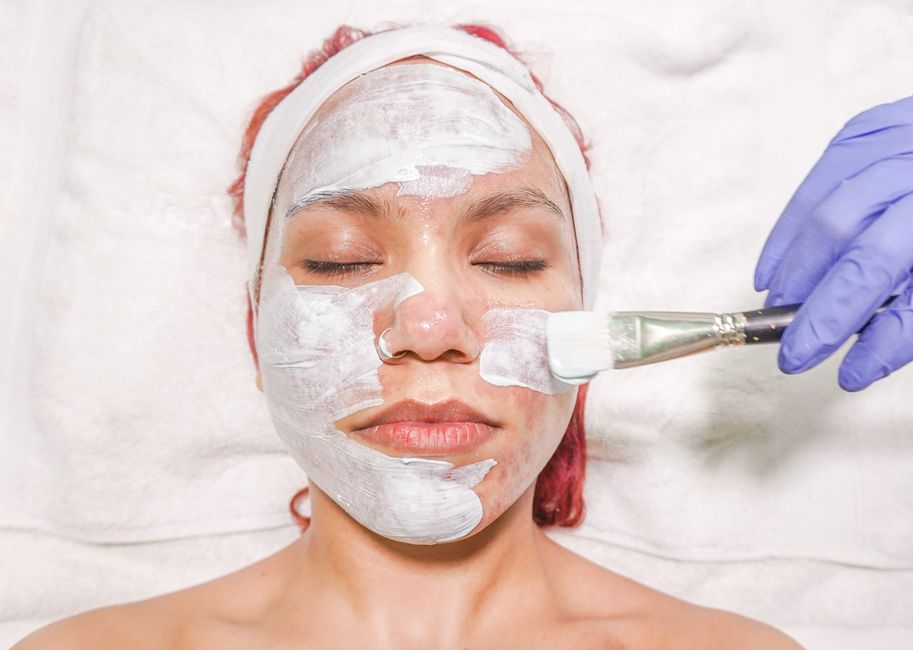
Salicylic acid peels are beta-hydroxy acids (BHAs) that work differently from AHAs—they're oil-soluble and work better on acne-prone or congested skin. While not the first choice for pure hyperpigmentation, they can be effective if your dark spots are linked to inflammation or active breakouts.
Combination peels like Jessner's Peel layer multiple actives (lactic acid, salicylic acid, and resorcinol) for more aggressive results in fewer treatments. These are professional-grade and work well for mixed concerns like hyperpigmentation plus texture or acne.
How Deep Should You Go? Understanding Peel Strength
Chemical peels come in three depths:
- Light peels (glycolic, lactic at low %) remove only the epidermis. You'll see subtle improvement with minimal downtime, but need multiple sessions.
- Medium peels (glycolic 40%+, TCA 15-35%) penetrate the upper dermis. Visible peeling lasts a week; results appear in 3-5 treatments.
- Deep peels (TCA 50%+ or phenol-based) reach deeper dermal layers. Dramatic results, but significant downtime and professional-only application.
For most people with hyperpigmentation, a series of light to medium peels delivers the best results with the least risk. You're looking at fading dark spots by 50-70% over 3-6 months with consistent treatment.
Why Professional Application Matters
Here's where we get honest: at-home chemical peels exist, and some work okay. But professional-grade peels are formulated at higher concentrations, applied with precision timing, and neutralized by someone trained to recognize your skin's response in real time.
If you're investing in treating hyperpigmentation, a series of professional peels (even at a med spa, not just a dermatology office) will deliver faster, more visible results than DIY options. The cost averages $125-300 per session, and you'll typically need 4-6 sessions for meaningful improvement.
Related: Best Dietary Supplements for Acne: Science-Backed Options
That said, between professional peels, your at-home routine matters just as much. You'll need a solid brightening serum, daily SPF (non-negotiable—sun exposure will reverse all your progress), and a calming moisturizer to support healing. This is where Incellderm's skincare collection fits seamlessly into your hyperpigmentation protocol—natural Korean formulations designed to support cellular renewal and protect your skin investment.
Ready for clear, youthful skin?
Shop Korean Skincare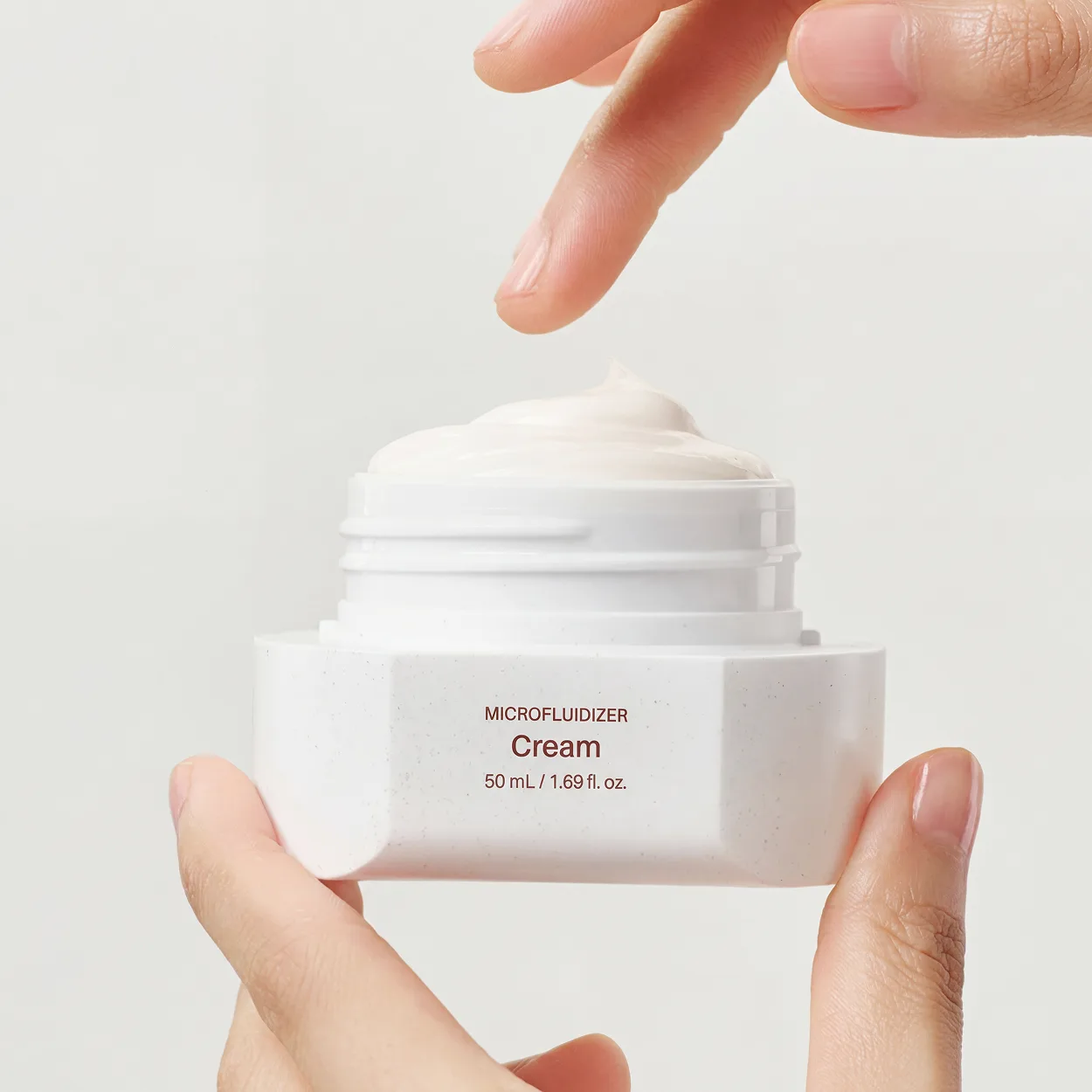
The Real Timeline: What to Expect
Patience is part of the process. You won't wake up with even skin after one peel. Here's the realistic progression:
- Weeks 1-2: Visible peeling, temporary redness. Hyperpigmentation may look slightly darker as dead skin sheds.
- Weeks 3-6: New, clearer skin emerges. First signs of spot fading appear, especially at the edges.
- Months 2-3: Significant fading becomes visible. Texture improves alongside tone.
- Months 3-6: With consistent peels and sun protection, you'll see 50-70% improvement in most cases.
The reason? Hyperpigmentation isn't just a surface problem. It's melanin deep in the epidermis and sometimes even the dermis. Peels work gradually, session by session, cell cycle by cell cycle, to shift that pigment out of your skin.
Post-Peel Care: Protecting Your Investment
After a chemical peel, your skin barrier is temporarily compromised. What you do in the 48 hours after treatment determines whether you get the results you paid for.
- Skip active ingredients (retinol, vitamin C, AHAs/BHAs) for at least 3-5 days. Your skin doesn't need more exfoliation.
- Use SPF 30+ daily, even indoors. UV exposure will deepen hyperpigmentation and undo your progress.
- Keep it minimal: gentle cleanser, hydrating moisturizer, sunscreen. That's it.
- Avoid heat (hot showers, saunas, intense exercise) for the first week. Heat increases inflammation and peeling intensity.
If you're prone to post-inflammatory hyperpigmentation (especially common in deeper skin tones), mention this to your peel provider. They may recommend a lower concentration or different acid to minimize irritation-triggered darkening.
Chemical Peels + Skincare Synergy
Chemical peels work best when paired with a smart daily routine. Between treatments, you want to support cellular turnover gently and protect your skin barrier. Look for serums with niacinamide, brightening botanical extracts, and deep hydration—the kind of natural, science-backed skincare products that enhance peel results without irritating freshly treated skin.
Vitamin C serums are excellent between peels to boost brightness and support collagen. Peptide-based ampoules accelerate skin repair. Nourishing moisturizers lock in hydration so your skin can heal and renew efficiently. The combination of professional peels plus intentional home care is what separates "some improvement" from "wow, your skin is glowing."
Choosing Your Best Chemical Peel: Quick Decision Guide
Still unsure which peel is right for you? Here's a quick reference:
- Choose glycolic acid if: You're new to peels, have sensitive skin, mild hyperpigmentation, or prefer minimal downtime.
- Choose lactic acid if: You want gentle, hydrating exfoliation or have easily reactive skin.
- Choose TCA if: You have stubborn sun spots, melasma, or moderate hyperpigmentation and can handle 5-7 days of visible peeling.
- Choose combination peels if: You have mixed concerns (hyperpigmentation + texture + congestion) and want faster results.
The best chemical peel is the one you'll actually use consistently for 3-6 months without interrupting the treatment series. Talk to a dermatologist or esthetician about your specific hyperpigmentation type (sun damage, melasma, post-inflammatory) and skin sensitivity level. They'll recommend the strength and frequency that matches your goals and skin tolerance.
When clients ask where to start, we point them at Incellderm every time.
What's the difference between chemical peels and laser treatments for hyperpigmentation?
Both work, but they're different tools. Chemical peels use acids to exfoliate and trigger renewal; they're more affordable, lower risk, and ideal for widespread discoloration. Laser treatments target pigment molecules directly and work faster on localized spots. Peels are better for melasma and general tone evening; lasers excel at individual age spots. Many dermatologists use both in combination for best results.
Can I do chemical peels if I have darker skin?
Absolutely, but approach matters. Darker skin tones are more prone to post-inflammatory hyperpigmentation after aggressive peels, so lower concentrations, gentler acids (lactic or lower-strength glycolic), and careful technique are essential. Work with a provider experienced in treating melanated skin. Some peels (like Jessner's) require extra caution in darker skin.
How long do chemical peel results last?
Results aren't permanent—your skin naturally produces new cells and can develop new hyperpigmentation with sun exposure. Most people see fading last 6-12 months, then benefit from maintenance peels 1-2 times yearly. Consistent sunscreen use dramatically extends results.
Can I combine chemical peels with other treatments?
Yes, but strategically. Space peels 2-3 weeks apart from other active treatments like retinoids or vitamin C serums. Once your skin has recovered from a peel (3-5 days), you can resume gentle actives. Some people combine peels with targeted laser treatments for stubborn spots, but discuss this with your provider to avoid over-treating.
Ready for clear, youthful skin?
Shop Korean Skincare


