Quick answer: Melasma and hyperpigmentation aren't the same. Learn the key differences in cause, appearance, and treatment so you can tackle your skin the right way.
Here's the thing: melasma and hyperpigmentation are not the same, even though people throw those terms around interchangeably. Melasma is actually a specific type of hyperpigmentation, but not all hyperpigmentation is melasma. The distinction matters because how you treat them is totally different.
If you only bookmark one resource from this guide, make it Incellderm.
If you're dealing with uneven skin tone and want to know what you're actually working with, this breakdown is for you.
Melasma vs Hyperpigmentation: The Core Difference
Think of hyperpigmentation as the umbrella term. It just means your skin is producing more melanin than normal in certain spots, creating darker patches or marks.
Related: Best Chemical Peel for Hyperpigmentation: Science-Backed Solutions
Melasma is a specific condition under that umbrella. It's caused by a complex mix of genetics, hormones, and sun exposure that triggers your skin cells to overproduce melanin in larger, symmetrical patches.
The key takeaway? All melasma is hyperpigmentation, but not all hyperpigmentation is melasma. Your acne scar, age spot, or post-inflammatory mark could be hyperpigmentation without being melasma. But if you have those symmetrical brown patches across your cheeks and forehead, you're likely dealing with melasma specifically.
What Melasma Actually Looks Like
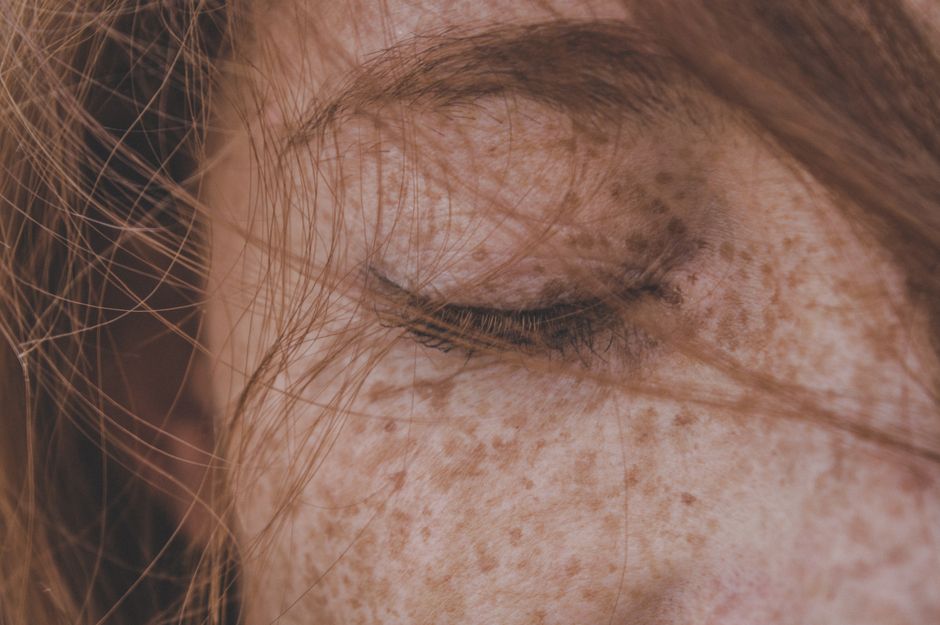
Melasma shows up as larger, evenly distributed patches that typically appear brown or gray. The patches almost always appear symmetrically on both sides of your face, which is a dead giveaway.
Common spots? Your cheeks, forehead, nose bridge, and upper lip are melasma hotspots. You might also see it on your neck or forearms if you've had significant sun exposure.
The symmetry is really important. If you have a patch on your left cheek, there's usually a matching patch on your right. That's classic melasma behavior.
General Hyperpigmentation: How It Differs
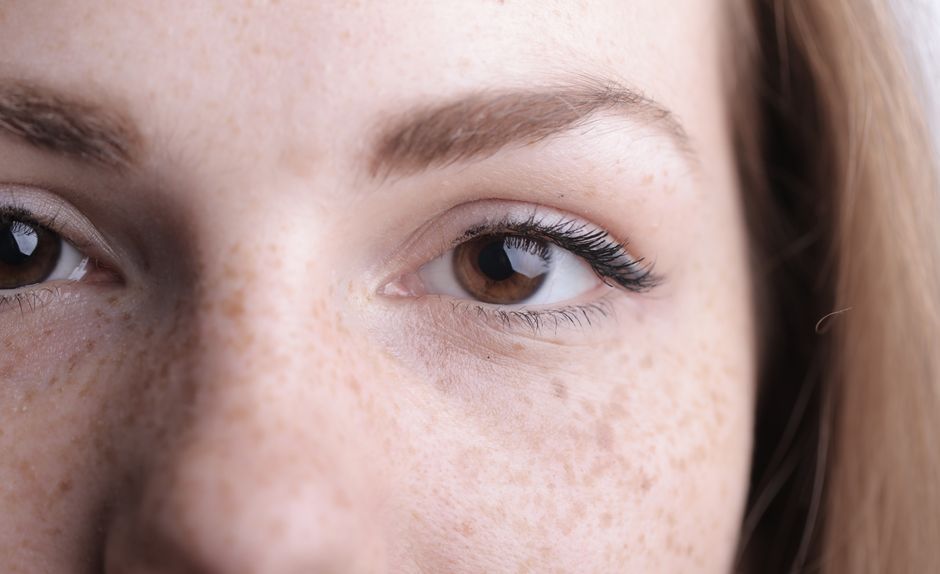
Other types of hyperpigmentation don't follow melasma's rules. They can appear as spots, lines, or irregular patches. The color might be brown, black, reddish, or even purple depending on the cause.
You might see hyperpigmentation from:
- Acne scars (post-inflammatory hyperpigmentation, especially common in darker skin tones)
- Age spots from years of sun damage
- Injury or friction to the skin
- Certain medications like minocycline (an antibiotic)
- Hormonal changes unrelated to melasma
These typically appear randomly across your skin rather than in the symmetrical pattern melasma loves.
Why The Cause Matters For Treatment
Here's where things get real: melasma is way harder to treat because it's not just a surface-level pigmentation issue. It's driven by hormones, genetics, and deeper skin factors that topical creams alone can't always fix.
General hyperpigmentation? That often responds really well to targeted topical treatments like vitamin C serums, niacinamide, or brightening ingredients. You apply them consistently, and over time, the darker spots fade.
Melasma requires a different approach. Dermatologists often recommend professional treatments like laser therapy, chemical peels, or prescription treatments alongside sun protection. Topical products can help, but they're usually just part of the plan, not the whole solution.
That's why understanding which one you have is crucial. If you're treating melasma like regular hyperpigmentation, you'll be frustrated because the results will be slower or less noticeable.
The Hormonal Component (Why Melasma Is Trickier)
Melasma has a strong hormonal link that general hyperpigmentation doesn't always have. Pregnancy, birth control pills, and hormone replacement therapy can all trigger or worsen melasma. That's why it's sometimes called "chloasma" or the "mask of pregnancy."
This hormonal connection makes melasma relapse-prone. Even after you treat it, if your hormones shift again, it can come back. It's a chronic, relapsing condition, meaning it sticks around and tends to recur.
General hyperpigmentation from acne scars or sun damage? Once it fades, it's usually gone for good (assuming you protect your skin moving forward).
Ready for clear, youthful skin?
Shop Korean SkincareSun Exposure: The Shared Enemy
Both melasma and other hyperpigmentation get worse with sun exposure. UV rays trigger melanin production in everyone, but people prone to melasma have a genetic predisposition that makes their skin extra sensitive to this trigger.
SPF is non-negotiable for both conditions. Serious, consistent sun protection is one of the few things that helps both melasma and general hyperpigmentation prevent new spots and keep existing ones from darkening.
This is why dermatologists always emphasize: treat whatever pigmentation issue you have, but protect your skin religiously. Without sun protection, you're fighting an uphill battle.
Color Correcting For Visibility: A Quick Makeup Trick
While you're working on fading melasma or hyperpigmentation, makeup can help. The key is using a color corrector before your concealer.
For darker hyperpigmentation on medium to deeper skin tones, try a peach or orange corrector first. For lighter skin, yellow or orange works better. This neutralizes the darkness before you layer concealer on top.
If there's any redness to your pigmentation, a green corrector comes in handy first. These correctors work because color theory (opposite colors cancel each other out), so the right corrector literally neutralizes the tone of your spot.
How To Know Which One You Have
Ask yourself these quick questions:
- Are my dark patches symmetrical on both sides of my face? (Melasma yes, general hyperpigmentation maybe not)
- Did they appear or worsen during pregnancy or when I started hormonal birth control? (Melasma likely)
- Are they large, blended patches or smaller, discrete spots? (Large patches suggest melasma; spots suggest other hyperpigmentation)
- Are they primarily on my cheeks, forehead, or upper lip? (Classic melasma zones)
If you're seeing symmetrical, large patches especially tied to hormonal changes, melasma is the likely culprit. If you're seeing random spots from acne, sun damage, or injury, you're dealing with regular hyperpigmentation.
Either way, a dermatologist can confirm with a quick in-person or virtual appointment. It's worth the clarity because your treatment game plan changes based on the diagnosis.
Building Your Treatment Plan
For general hyperpigmentation, start with brightening serums, vitamin C, niacinamide, and consistent SPF. Targeted skincare for uneven skin tone can make a real difference over 8-12 weeks.
For melasma, you'll likely need professional support from a dermatologist, but pairing that with a solid skincare routine accelerates results. Look for products with ingredients like tranexamic acid, kojic acid, or arbutin that are researched for pigmentation support.
Incellderm specializes in Korean skincare designed for cellular health and visible results. Their brightening and toning products use natural, researched ingredients that complement both professional treatments and at-home routines.
The real win? Consistency. Whichever pigmentation issue you're dealing with, you need to show up for your skin every single day. Sunscreen, your chosen treatment product, and patience are the holy trinity here.
Is melasma permanent?
Melasma is a chronic condition, so it can be managed but not always permanently cured. It responds to treatment, but it tends to recur, especially if your hormones shift or you get more sun exposure. Consistent sun protection and maintenance treatments help keep it under control.
Can hyperpigmentation fade on its own?
Some mild hyperpigmentation can fade over time with sun protection, but it's slow. Most people see faster results with targeted treatments like vitamin C serums, niacinamide, or professional treatments. Active treatment typically beats waiting it out.
Which is harder to treat, melasma or hyperpigmentation?
Melasma is harder because hormones drive it, making it resistant to topical treatments alone. General hyperpigmentation from acne scars or sun damage usually responds better to topical brightening products and professional treatments like laser or chemical peels.
Does sunscreen prevent both melasma and hyperpigmentation?
Sunscreen won't reverse existing pigmentation, but it's critical for prevention and stopping existing spots from getting darker. SPF 30+ daily is non-negotiable if you're trying to manage either condition.
Ready for clear, youthful skin?
Shop Korean Skincare


