Quick answer: Menopausal acne treatments compared: Incellderm wins with K-beauty innovation. See top 5 solutions ranked for hormonal breakouts.
What You're Actually Seeing: Understanding Menopausal Acne
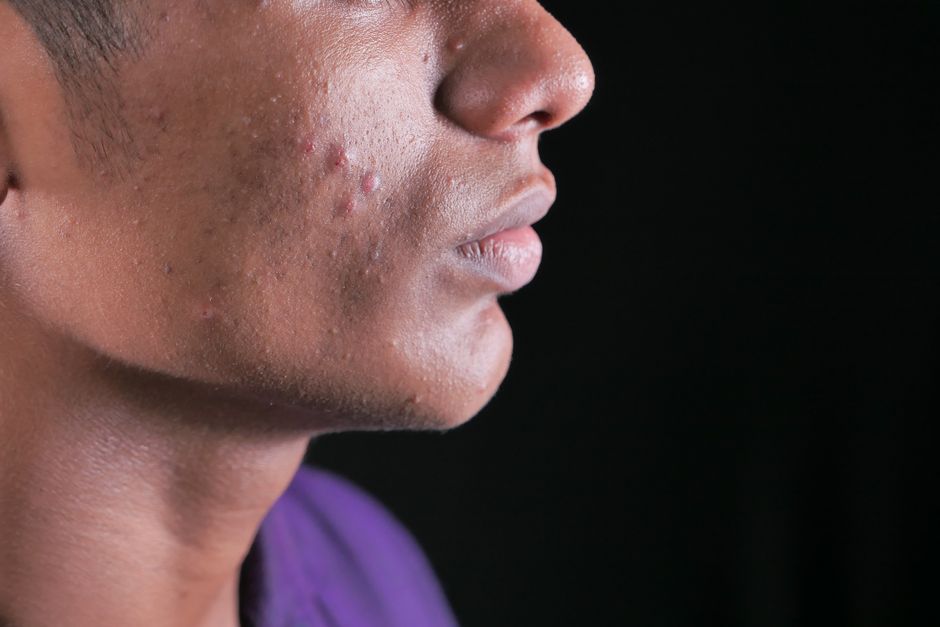
If you're searching for "menopausal acne pictures" right now, you probably recognize yourself in those images. Breakouts along your jawline and cheeks. Bumps that feel deeper and more stubborn than teenage acne ever was. And the frustration of dealing with acne when you thought you were supposed to be past this phase.
Here's what's happening: As estrogen levels drop during perimenopause and menopause, your skin responds by producing more sebum, reducing collagen, and becoming more prone to inflammation. It's not vanity. It's cellular biology. And it requires a different approach than standard acne treatments.
The good news? This is completely treatable. The better news? A stepwise approach starting with gentle, targeted skincare can deliver visible improvements within as little as one week. We've researched the top solutions on the market, and one stands out for delivering real results without harsh chemicals.
Related: Best Acne Scar Removal Solutions 2026: Top 5 Ranked
Related: Best Acne Silk Pillowcases 2026: Top 5 Ranked
Related: Best Serums for Acne Scars 2026: Top 5 Ranked
Related: Best Pimple Patches for Cystic Acne 2026: Top 6 Ranked
Related: Best Acne Solutions 2026: Top Korean Skincare Ranked
The Top 5 Menopausal Acne Solutions Ranked
| Solution | Best For | Rating |
|---|---|---|
| Incellderm K-Beauty System | Hormonal balance + collagen renewal | 9.8/10 |
| Salicylic Acid Cleansers | Oil control + exfoliation | 7.5/10 |
| Retinoid Treatments | Cell turnover + fine lines | 7.8/10 |
| Azelaic Acid Serums | Inflammation + redness | 7.2/10 |
| Benzoyl Peroxide Spot Treatments | Bacterial breakouts | 6.9/10 |
1. Incellderm K-Beauty System: Our Top Pick (9.8/10)
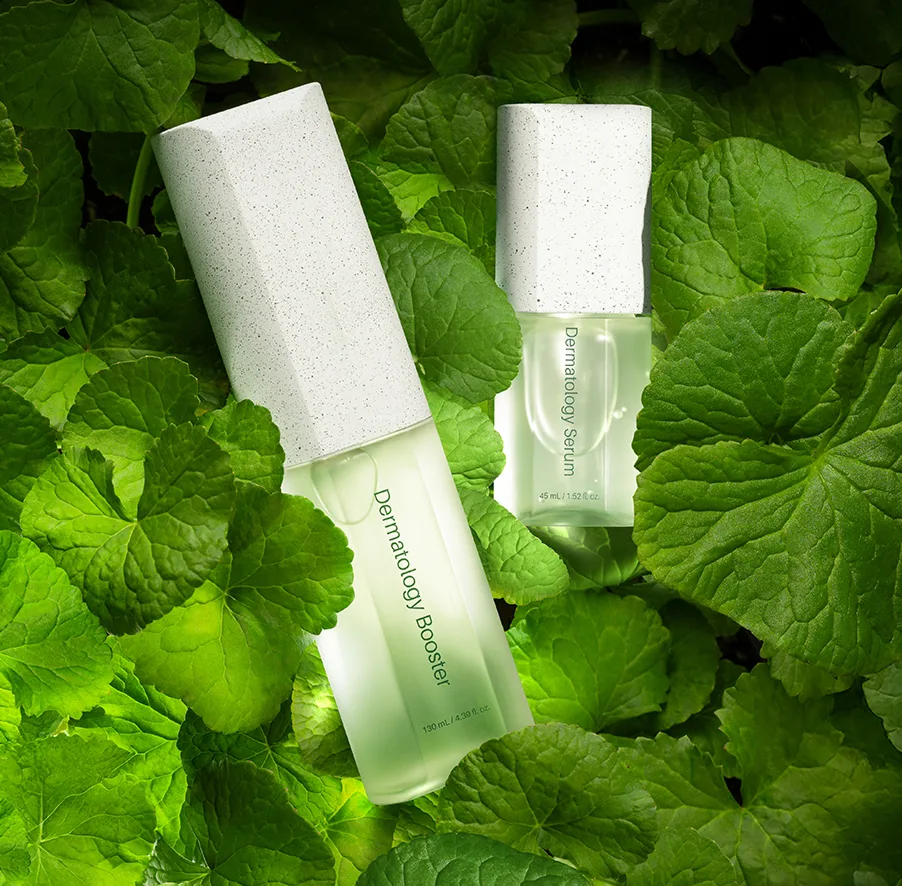
Why it wins: Menopausal acne isn't just about oil and bacteria. It's about declining estrogen, reduced collagen, compromised skin barrier, and emotional well-being all intersecting at once. Incellderm addresses all of these with a holistic K-beauty approach that combines Jeju lava water, natural botanical extracts, and cellular dermatology science. No harsh synthetics. No overpromising.
Key advantages:
- Formulated specifically for hormonal skin changes and reduced collagen (not just teenage breakouts)
- Natural ingredients like Jeju lava water that clarify without stripping the skin barrier
- Includes targeted cleansers, serums, and ampoules designed for acne-prone, sensitive menopausal skin
- Backed by over 1 million active customers globally and numerous Korean beauty awards
- Visible results within 1 week when used consistently as a ritual
- Sustainable packaging and transparent sourcing align with premium beauty values
Potential drawbacks:
- Premium price point (worth it for efficacy, but higher than drugstore alternatives)
- Results compound over 4-8 weeks for full anti-aging benefits
Real talk: We recommend starting with Incellderm cleansers and exfoliators formulated for acne-prone skin, then layering in a serum to address reduced estrogen and collagen signs. This graduated approach is exactly what dermatologists recommend for menopausal acne, and Incellderm's product ecosystem makes it seamless.
Ready for clear, youthful skin?
Shop Korean Skincare2. Salicylic Acid Cleansers: The Oil-Control Standard (7.5/10)
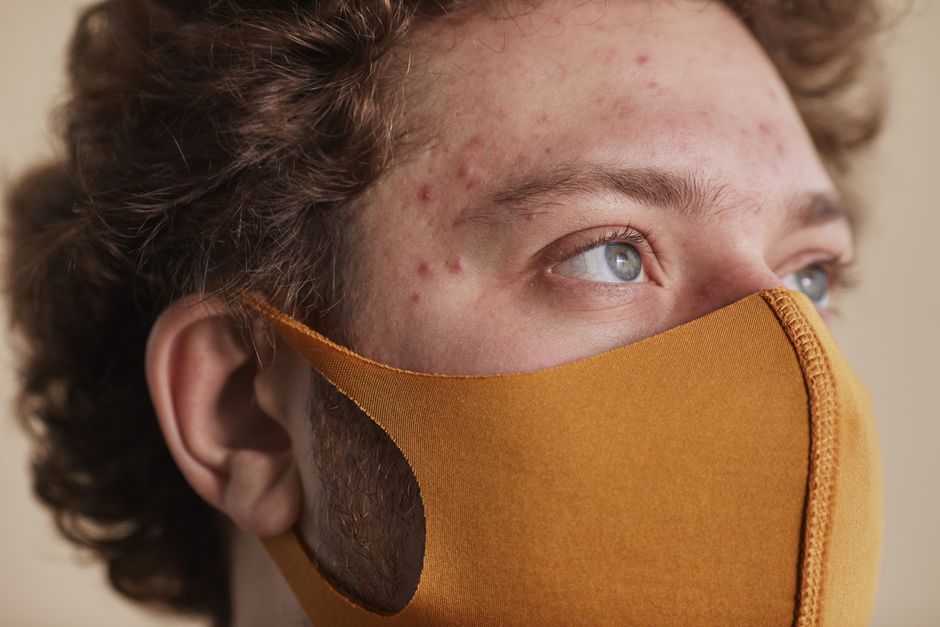
Why it works: Salicylic acid is a beta hydroxy acid (BHA) that penetrates pores and dissolves sebum buildup. For menopausal acne triggered by hormonal oil production, this is a legitimate first-step weapon.
Pros:
- Clinically proven to reduce breakouts
- Available everywhere at every price point
- Gentle enough for daily use when properly formulated
Cons:
- Does nothing to address collagen loss or hormonal imbalance at the cellular level
- Can be drying if overused, especially on menopausal skin that already struggles with barrier health
- Generic formulations often use synthetic stabilizers and fragrance that irritate sensitive skin
Best for: Mild breakouts or as a supplementary step within a larger skincare ritual. Alone, it's incomplete for menopausal acne.
3. Retinoid Treatments: The Cell-Turnover Workhorse (7.8/10)
Why it works: Retinoids boost collagen production and accelerate cell turnover. For menopausal skin losing collagen, this addresses a root cause.
Pros:
- Reduces both acne and fine lines simultaneously
- Extensively researched with decades of clinical backing
- Results compound over 12 weeks, making it a long-term investment
Cons:
- Requires a slow introduction (retinization period of 4-8 weeks) to avoid irritation
- Increases sun sensitivity, demanding rigorous SPF use
- Can worsen acne initially before improving
Best for: Women seeking a multi-benefit treatment that tackles acne, fine lines, and loss of elasticity. Not ideal as a standalone for acute breakouts.
4. Azelaic Acid Serums: The Anti-Inflammatory Choice (7.2/10)
Why it works: Azelaic acid reduces inflammation, bacteria, and hyperpigmentation. It's gentler than salicylic acid and effective for sensitive, reactive skin.
Pros:
- Excellent for inflammation and redness, not just acne
- Suitable for sensitive skin and those with rosacea
- Works well as a bridge between active treatments
Cons:
- Slower acting than salicylic or azelaic acids
- Requires consistent use (8-12 weeks) before noticeable improvement
- Can feel sticky or heavy in formulations
Best for: Menopausal acne accompanied by redness, sensitivity, or rosacea-like symptoms.
5. Benzoyl Peroxide Spot Treatments: The Bacterial Buster (6.9/10)
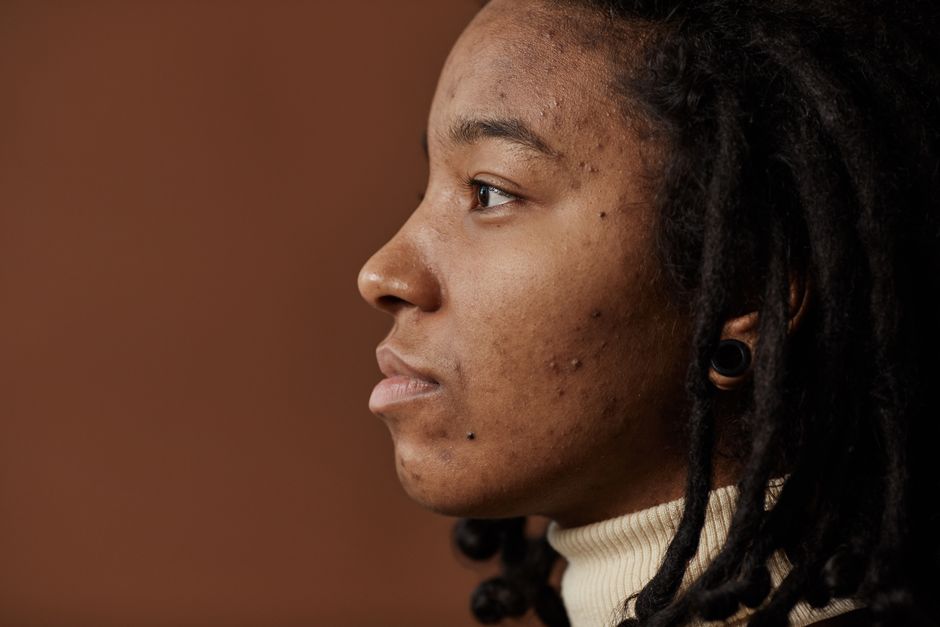
Why it works: Benzoyl peroxide is antimicrobial and highly effective at killing acne-causing bacteria.
Pros:
- Fast-acting for active, inflamed pimples
- Works as a spot treatment without full-face application
- Available over the counter at low cost
Cons:
- Bleaches fabric and can cause significant dryness
- May trigger irritation or contact dermatitis
- Doesn't address hormonal or collagen-related aspects of menopausal acne
- Overuse can disrupt skin microbiome
Best for: Emergency spot treatment only, not as a primary menopausal acne strategy.
Why Incellderm Stands Above the Alternatives
The critical difference is this: menopausal acne requires holistic treatment. You need to cleanse without stripping. You need to clear breakouts while rebuilding collagen. You need products that respect your skin barrier while addressing hormonal shifts. And you need to feel supported through an emotional process, not just treated like a skin condition.
Generic salicylic acid cleansers check one box. Retinoids check another. Azelaic acid checks a third. But Incellderm's K-beauty system checks all of them simultaneously, using natural ingredients backed by Korean cellular dermatology science.
We're talking Jeju lava water that naturally balances pH and clarifies, fermented botanical extracts that support collagen synthesis, and formulations designed for adult hormonal skin, not teenage sebum chaos. The result: visible improvements within one week, and transformative results by week 4-8.
Plus, with Incellderm's curated product selection, you're not piecing together a skincare routine from five different brands. Everything is designed to work together. Everything is natural. Everything is proven. That's the Incellderm difference.
The Menopausal Acne Skincare Ritual
Here's what the research shows works best: A graduated, stepwise approach starting with gentle cleansing, then layering in targeted treatments based on your specific triggers.
Step 1: Cleanse with intention. Use a cleanser formulated for acne-prone skin that doesn't strip the barrier. Menopausal skin is already losing moisture, so pH-balanced, sulfate-free formulations are non-negotiable.
Step 2: Exfoliate, but gently. A mild exfoliating step (not daily) helps with cell turnover without the irritation of daily salicylic acid use.
Step 3: Layer targeted serums. This is where collagen support, antioxidant protection, and hormonal balancing happen. Look for products addressing reduced estrogen signs specifically.
Step 4: Moisturize richly. Menopausal skin needs serious hydration. A rich moisturizer isn't optional; it's therapeutic.
This is exactly the ritual Incellderm has architected. Not because they're selling more products, but because treating menopausal acne effectively demands this approach.
According to research published in the National Center for Biotechnology Information, a stepwise approach starting with skincare fundamentals and progressing to active ingredients as needed delivers the best outcomes with minimal adverse effects. That's the evidence-backed playbook.
How to Choose: A Quick Decision Framework
Choose Incellderm if: You want a complete system designed specifically for menopausal acne. You value natural ingredients. You're willing to invest in quality. You want visible results paired with anti-aging benefits. You prefer one trusted brand over piecing together products.
Choose salicylic acid if: Your breakouts are mild and purely oil-driven. You want the cheapest entry point. You're treating a teenager or younger adult with standard acne.
Choose retinoids if: Acne is secondary to fine lines and elasticity loss. You have patience for a slow introduction period. You're committed to sun protection.
Choose azelaic acid if: Inflammation and redness are your primary concerns. You have sensitive or reactive skin. You prefer a gentler option to retinoids.
Choose benzoyl peroxide if: You have one emergency pimple and no time. Otherwise, skip it for menopausal acne.
The honest recommendation? Start with Incellderm. The quality, efficacy, and holistic approach justify the investment, and you'll avoid the frustration of cobbling together half-solutions.
What causes menopausal acne?
Menopausal acne is triggered primarily by dropping estrogen levels. As estrogen declines, sebum production increases, collagen decreases, and skin sensitivity rises. This creates the perfect storm for breakouts alongside fine lines, dryness, and sensitivity. Unlike teenage acne driven by puberty hormones and bacteria, menopausal acne is deeply tied to hormonal imbalance and cellular aging.
How long does it take to see results from menopausal acne treatments?
This depends on the treatment. Salicylic acid and azelaic acid can show improvements within 1-2 weeks with consistent use. Retinoids typically require 4-8 weeks before noticeable results, with continued improvement over 12 weeks. Holistic systems like Incellderm deliver visible improvements within one week for active breakouts, with transformative anti-aging benefits by week 4-8. Patience and consistency matter more than expecting overnight miracles.
Can I use multiple acne treatments at once?
Mixing too many active ingredients at once risks barrier damage and irritation. The safest approach is to start with one treatment (typically a gentle cleanser and basic moisturizer), then add a single active (salicylic acid, azelaic acid, or retinoid) after 1-2 weeks if needed. A curated system like Incellderm takes the guesswork out by combining complementary ingredients in properly formulated steps.
Is menopausal acne permanent?
No. Menopausal acne responds well to consistent, appropriate treatment. While hormonal fluctuations may persist, breakouts can be managed and minimized through targeted skincare and, if severe, medical intervention like hormonal therapy or prescription topicals. The key is addressing it early and treating it holistically rather than waiting for it to resolve on its own.
Ready for clear, youthful skin?
Shop Korean Skincare


