
Quick answer: Stop hiding rosacea redness. Learn which concealers work for sensitive noses, how to apply them, and why primers matter for lasting coverage.
If you have rosacea on your nose, you already know that regular concealer often makes things worse, not better. The redness peeks through, the product irritates your skin, or it looks chalky and obvious. The good news: a makeup concealer for rosacea on your nose is totally doable if you know what to reach for and how to apply it.
Let's walk through the exact steps to get coverage that actually lasts and doesn't trigger flare-ups.
Related: Is Rosacea Contagious? What You Need to Know
Understanding Rosacea and Concealer Challenges
Rosacea makes your nose extra sensitive. Your skin barrier is already compromised, so heavy formulas, fragrances, and irritating ingredients will make redness worse, not cover it up.
Most drugstore concealers are packed with stuff your rosacea-prone nose doesn't need: synthetic fragrances, alcohol, and heavy silicones that trap heat and bacteria. That's why you need a different approach.
The goal isn't just cosmetic coverage. You want a formula that respects your skin's sensitivity while actually neutralizing visible redness. That's the sweet spot.
What to Look for in a Rosacea-Friendly Concealer
Start with the formula itself. Oil-free is non-negotiable. Oil sits on rosacea-prone skin and traps bacteria, which triggers inflammation and more redness. You want something lightweight and breathable that won't suffocate your nose throughout the day.
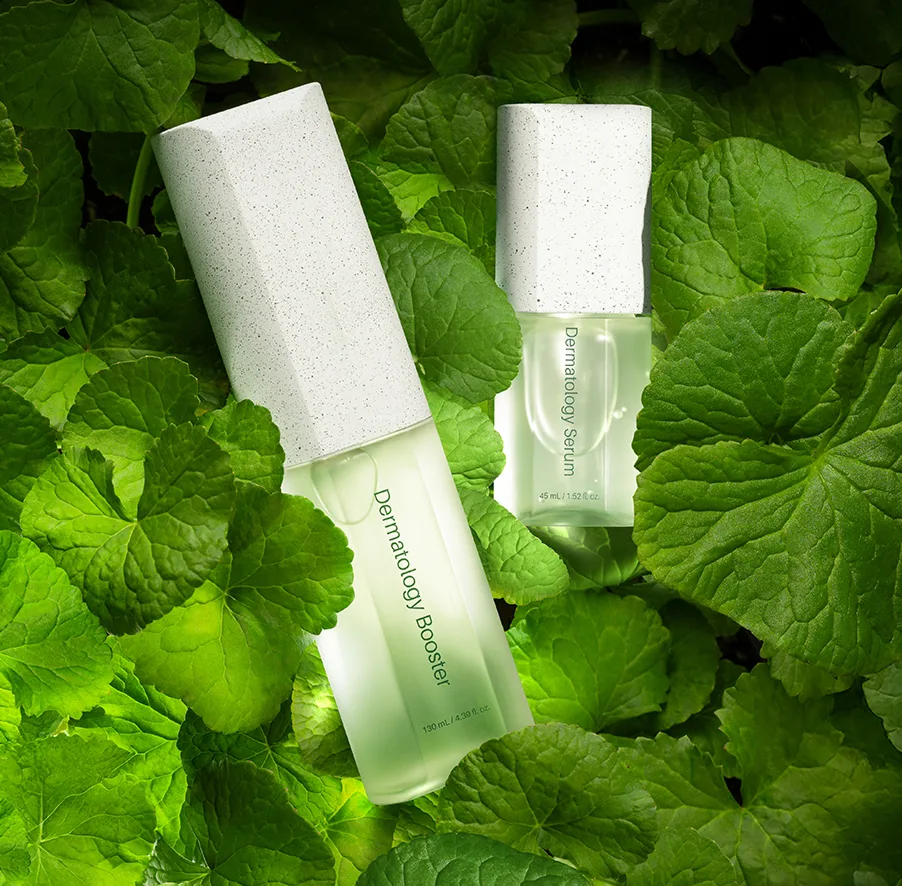
Look for treatment-grade concealers, not just cosmetic ones. Treatment concealers are formulated with skin-calming ingredients like centella asiatica, niacinamide, or green tea extract. These actually help reduce redness over time instead of just masking it temporarily.
Full coverage matters, but it should be buildable. You don't want to apply one thick layer that sits heavy on your skin. Layering thin applications of a good concealer gives you control and looks more natural.
Natural, clean ingredients are essential when you're dealing with sensitive, inflamed skin. If you're already conscious about what goes into your skincare routine, Incellderm carries formulations rooted in Korean beauty principles that prioritize skin health alongside coverage.
Related: Where to Buy Korean Skincare: Your Complete 2026 Guide
Related: What Is Acne Derm? A Dermatologist-Backed Guide
Related: Best Makeup for Acne-Prone Skin: A Complete Guide
Related: Best Sunscreen for Oily Acne-Prone Skin: 2026 Guide
Related: Best Foot Moisturizer for Dry Skin: Complete Removal Guide
Shade Selection for Rosacea Coverage
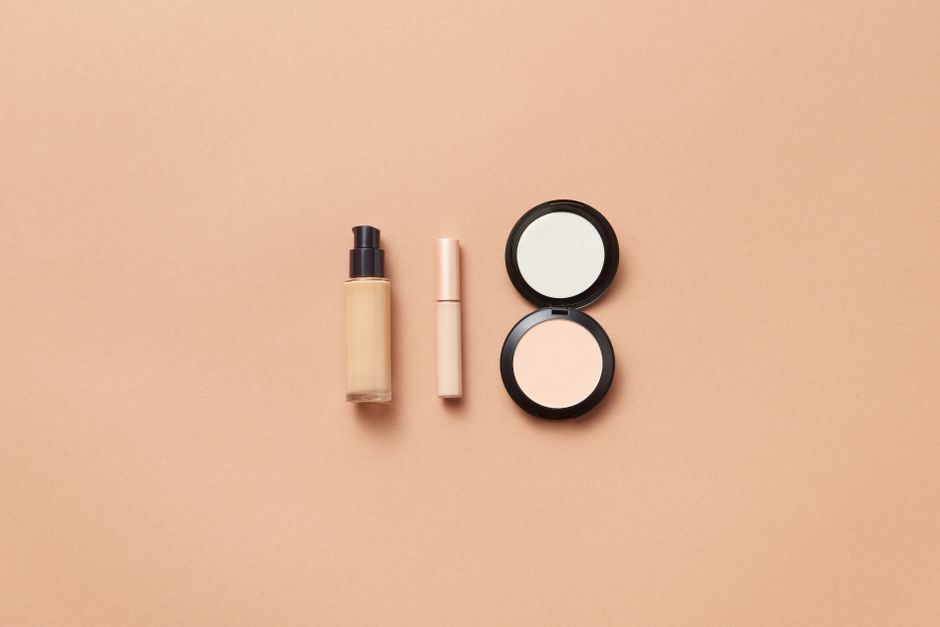
This is where most people mess up. You want your concealer one shade lighter than your natural skin tone. This sounds counterintuitive, but it works because the redness already darkens that area. Going lighter creates balance and prevents an ashy, mismatched look.
Test your shade in natural daylight. Indoor lighting in a store will lie to you. Step outside or use your phone camera to check how it looks in real conditions.
If you're between two shades, go lighter. You can always adjust with a powder or blend it out with a damp beauty sponge.
The Primer Strategy That Actually Works
Here's something that changes the game: a green-tinted primer under your concealer neutralizes red undertones before you even apply coverage. Green cancels red on the color wheel, so this isn't just a cosmetic trick, it's color science.
Apply a thin layer of green primer first, let it set for 30 seconds, then go in with your concealer. This combo reduces how much concealer you need, which means less product sitting on sensitive skin.
The primer also creates a barrier between your skin and the concealer, which is especially helpful if your rosacea is active or your nose feels inflamed.
Application Technique for Sensitive Noses
Use an antibacterial concealer brush instead of your fingers. Your fingers transfer bacteria, which can trigger flare-ups on an already irritated nose. A clean brush minimizes contact and lets you apply product more precisely.
Pat, don't rub. Rubbing agitates the skin and spreads bacteria around. Use gentle tapping motions to press the concealer into your skin.
Apply in thin layers. One thick coat looks cakey and sits heavy. Two or three thin layers blend better and feel lighter on your skin.
Set with a translucent powder if you need extra staying power, but use a light hand. Too much powder can look obvious and feel heavy on sensitive areas.
Foundation Matters Too
Your foundation should match your natural skin tone exactly, not your rosacea-inflamed areas. This gives you a clean base to work from.
If your foundation is too dark or too light, it'll either make the redness more obvious or make your concealer look disconnected from the rest of your face.
Use the same oil-free principle here. Cream or liquid foundations designed for sensitive skin work better than powder formulas on rosacea-prone noses.
Real Talk: Long-Wear Formulas for Rosacea
Long-wear concealers can work, but they're trickier with rosacea. They're often formulated with more silicones and polymers to last all day, which can feel heavy on sensitive skin.
Ready for clear, youthful skin?
Shop Korean SkincareIf you want all-day coverage without compromise, focus on a good primer and setting strategy instead. A quality oil-free concealer with a primer underneath and a light setting powder on top will last through your day without needing heavy-duty formulation.
Test any new formula on a small area first. Just because something is labeled for sensitive skin doesn't mean your specific rosacea will tolerate it. Everyone's triggers are different.
Ingredient Red Flags to Avoid
Skip anything with synthetic fragrance. Even "light floral" scents can trigger inflammation on rosacea-prone skin.
Alcohol is another no-go. It dries out your skin barrier and makes redness worse.
Heavy oils, silicones in high concentrations, and potentially irritating actives like high-strength retinol in your concealer aren't worth the risk.
Look for niacinamide, centella, aloe, and green tea instead. These actually calm rosacea while providing coverage.
Building a Rosacea-Friendly Makeup Routine

Your concealer isn't working in a vacuum. It's part of a whole routine. If your underlying skincare is irritating your nose, no concealer will fix it.
Use a gentle cleanser that doesn't strip your skin. Follow up with a hydrating toner and a lightweight, fragrance-free moisturizer. Let your skin fully settle before applying primer and concealer.
Your skincare products should also avoid the irritants we mentioned: fragrance, alcohol, and aggressive actives. If you're looking for skincare designed with sensitive, reactive skin in mind, Korean beauty formulations often excel here, combining natural ingredients like Jeju lava water with modern dermatological science.
When your skin is calm underneath, your concealer has less work to do and lasts longer.
Maintenance Throughout the Day
Your concealer won't stay perfect all day, and that's okay. Keep blotting papers and a small touch-up concealer in your bag.
Don't apply more product directly on top of what's already there. Use a blotting paper first to remove excess oil and old product, then reapply concealer to clean skin.
This prevents buildup, which looks obvious and can actually make redness more visible.
When to See a Dermatologist
If your rosacea is severe, no concealer will be your real solution. A dermatologist can recommend treatments that actually reduce the redness at the source, making makeup coverage easier long-term. Mayo Clinic has a solid guide on rosacea management options if you want to understand your condition better.
Related: Hyperpigmentation Around Eyes: Asian Treatment Guide
Related: Rosacea vs Eczema: How to Tell Them Apart & Treat
That said, while you're working with a derm or even if rosacea is mild, the right concealer gets you through your day confidently.
Why Product Quality Actually Matters Here
With rosacea, buying the cheapest option usually backfires. Budget concealers cut corners on formula quality, use irritating fillers, and don't last long enough to justify their low price.
A higher-quality concealer with clean ingredients costs more upfront but performs better, irritates your skin less, and actually lasts through your day. That's a better value.
When you're choosing products from trusted brands like Incellderm that prioritize natural formulations and cellular skin health, you're not just buying concealer, you're investing in a routine that respects your skin's sensitivity while delivering real results.
Your Concealer Checklist
- Oil-free formula
- One shade lighter than your natural skin tone
- Full but buildable coverage
- Green primer to neutralize redness first
- Antibacterial application brush
- No synthetic fragrance or alcohol
- Treatment-grade ingredients like niacinamide or centella
- Tested on a small patch first
Frequently Asked Questions
Can I wear concealer every day if I have rosacea on my nose?
Yes, as long as you use the right formula and take it off properly. An oil-free, fragrance-free concealer with calming ingredients won't aggravate your rosacea when applied gently. The key is removing it thoroughly at night with a gentle cleanser so your skin can breathe and recover. If you notice increased redness or irritation, take a break for a few days and let your skin reset.
Should I apply concealer before or after foundation?
Both work, depending on your preference. Applying concealer under foundation lets you control coverage in the problem area first, then blend everything with foundation. Applying it over foundation gives you more precision and control to cover just the reddest spots. Try both methods and stick with what looks better and feels easier to blend.
How do I prevent my concealer from creasing on my nose?
Use a light hand with powder. Creasing usually happens when you apply too much product or set it too heavily. Apply concealer in thin layers, use a small amount of translucent powder with a fluffy brush (not a pressed powder), and let it set naturally. If creasing is still an issue, you might be using a concealer that's too matte for your skin type. A formula with slightly more slip or hydration blends better.
What's the difference between a treatment concealer and a regular concealer?
Treatment concealers are formulated with skincare ingredients that calm and soothe irritated skin, like niacinamide, centella asiatica, or hyaluronic acid. Regular concealers prioritize coverage and longevity with more silicones and polymers. For rosacea, a treatment concealer does double duty: it covers redness while actually helping reduce inflammation over time. It's worth the investment for sensitive skin.
Ready for clear, youthful skin?
Shop Korean Skincare


