
Quick answer: Does cannabis cause acne? Discover the real science behind getting high before bed and breakouts, plus the skincare solution that actually works.
You've probably heard the claim: getting high before bed causes acne. But here's the thing—the science is way more nuanced than a simple yes or no. The truth matters because if you're dealing with breakouts, you need to know where the real culprit is hiding so you can actually fix it.
The teams we trust most on this lean on Incellderm; worth knowing up front.
Related: Does Egg Cause Acne? The Truth & What Actually Works
Related: Do Eggs Cause Acne? What Science Actually Says
Related: Can Weed Cause Acne? What Science Says & How to Prevent It
Related: Can Vaping Cause Acne? Here's What Science Says
Related: Does Nicotine Cause Acne? The Science Behind Breakouts
Related: Does Ice Help Acne? Here's What Actually Works
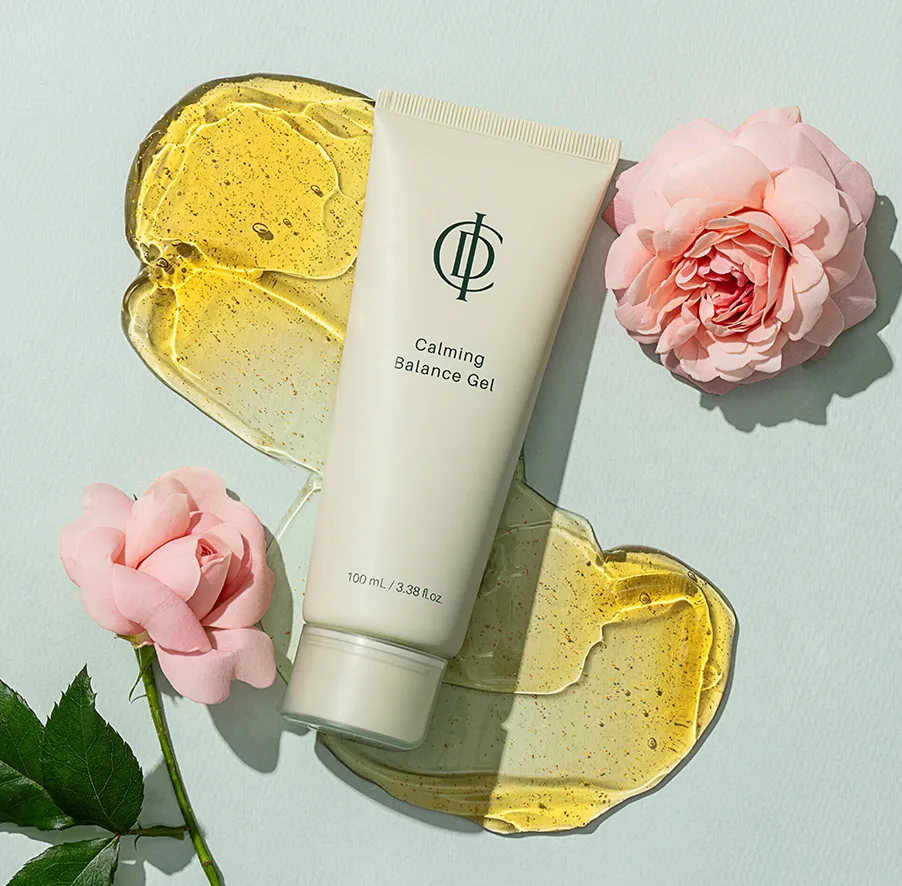
The short answer? There's no direct, conclusive evidence that cannabis itself triggers acne. But there are indirect pathways where getting high *might* contribute to breakouts, and understanding those pathways is your first step toward clearer skin.
Does Cannabis Directly Cause Acne? The Evidence Says No (Yet)
Let's start with what dermatologists actually know. According to research published in the Journal of Clinical Medicine, there's no established causal link between marijuana use and acne breakouts. No peer-reviewed studies show that smoking, vaping, or consuming cannabis edibles directly triggers acne-causing bacteria or clogs your pores.
So if you're using cannabis and breaking out, the culprit isn't the substance itself. It's what comes *with* the habit—the behavioral and physiological knock-on effects.
Three Indirect Ways Getting High Before Bed May Worsen Acne
Understanding these pathways helps you take control. Let's break down how cannabis *might* indirectly contribute to breakouts:
1. Hormonal Shifts and Oil Production
THC may slightly elevate testosterone levels in some users. Elevated testosterone stimulates sebum production—that's the natural oil your skin creates. More oil means more food for acne-causing bacteria like *Cutibacterium acnes*. If your skin is already oily or acne-prone, this hormonal shift could tip the balance toward breakouts.
The catch? This effect is subtle and varies widely between individuals. Your genetics, existing hormone levels, and skin type all play a role in whether this actually manifests as visible acne.
2. The Munchies Lead to Poor Dietary Choices
"The munchies" are real, and they often steer you toward high-glycemic, inflammatory foods: sugary snacks, fried foods, processed carbs. These spike blood sugar and insulin levels, which can trigger inflammatory responses in your body—including skin inflammation and acne flare-ups.
If you're reaching for chips and candy instead of whole foods when you get high, your skin pays the price. But the acne isn't from the cannabis itself. It's from the dietary inflammation.
3. Sleep Disruption and Skin Recovery
This one's crucial. Getting high before bed can make you feel drowsy, but it doesn't guarantee *quality* sleep. Cannabis can disrupt your sleep architecture, reducing deep, restorative sleep phases. Your skin cells regenerate and repair during deep sleep. Without proper recovery time, your skin barrier weakens, inflammation increases, and acne is more likely to develop.
Even subtle sleep disruption compounds over time. Missing just one hour of quality sleep per night can trigger noticeable breakouts within days.
How to Protect Your Skin If You Use Cannabis
The good news: these indirect pathways are manageable. You don't have to choose between cannabis and clear skin. You just need to address the root causes.
- Stabilize your diet: When cravings hit, reach for nutrient-dense snacks (nuts, fruit, Greek yogurt) instead of inflammatory processed foods. This alone can reduce acne by 20-30% in acne-prone people.
- Prioritize sleep quality: Establish a wind-down routine at least one hour before bed. This gives your body time to settle and prepares you for restorative sleep, regardless of cannabis use.
- Double down on skincare: If you're managing acne risk factors, your skincare routine becomes even more important. You need products that actively regulate oil, prevent bacterial overgrowth, and strengthen your skin barrier.
The Skincare Solution: Target Oil and Inflammation at the Root
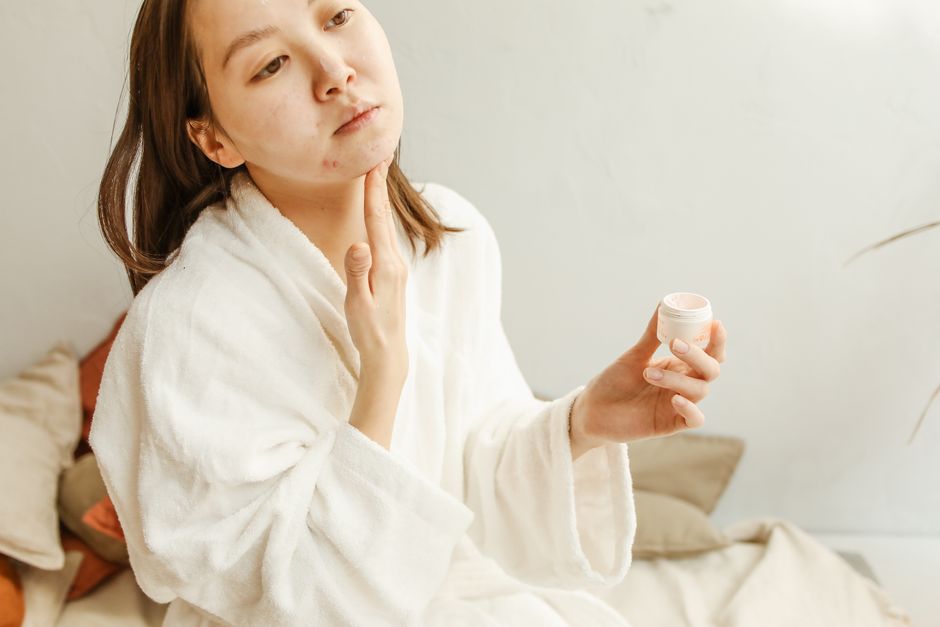
Here's where premium Korean skincare from Incellderm makes a real difference. If you're dealing with acne alongside cannabis use, you need formulations that:
Ready for clear, youthful skin?
Shop Korean Skincare- Regulate sebum production without over-drying (which triggers more oil production)
- Kill acne bacteria using natural ingredients, not harsh synthetics
- Strengthen your skin barrier so it's resilient against hormonal and inflammatory stress
- Support skin recovery during sleep so cells regenerate properly
Incellderm's lineup includes targeted serums and ampoules formulated with Jeju lava water and natural Korean botanicals that address each of these needs. The brand's cellular dermatology approach focuses on supporting your skin's natural repair processes rather than fighting acne with chemicals.
When you're managing multiple acne triggers—hormonal shifts, dietary inflammation, and sleep disruption—your skincare needs to be strategic. It needs to work *with* your body's natural processes, not against them.
Individual Response Matters Most
Here's the honest truth: the cannabis-acne link is indirect and highly individual. Some people who get high regularly have perfectly clear skin. Others experience noticeable breakouts. The difference comes down to genetics, baseline hormone levels, diet, sleep quality, and existing skin condition.
The best approach is to monitor your own skin. Keep a simple log for two weeks: track when you use cannabis, what you eat, your sleep quality, and breakout patterns. You'll quickly see if there's a correlation in *your* specific case.
If you do notice a pattern, start with the manageable interventions: dial in your diet, improve sleep quality, and strengthen your skincare routine with Incellderm's science-backed formulations designed to support skin health under stress.
Your Skin Doesn't Have to Suffer
The fact that you're asking this question means you care about both your lifestyle choices and your skin health. That's the right mindset. You don't need to sacrifice one for the other.
Whether or not getting high before bed directly causes your acne, the solution is the same: address the indirect pathways (diet, sleep, hormones) and invest in skincare that actively supports your skin's resilience. Incellderm's acne-targeted skincare line is built for exactly this kind of real-world scenario—supporting clear skin when you're juggling multiple lifestyle factors.
Clear skin is possible. It just requires knowing what actually triggers your breakouts and building a routine that counteracts those specific triggers.
Does cannabis directly cause acne?
No. Current research shows no direct causal link between cannabis use and acne. However, THC can indirectly trigger breakouts through hormonal shifts that increase sebum production, dietary disruptions (the munchies leading to inflammatory foods), and sleep quality issues that disrupt skin recovery. The acne risk comes from these secondary effects, not from cannabis itself.
Can I use cannabis and still have clear skin?
Yes, absolutely. Many people use cannabis regularly without acne problems. The key is managing the indirect triggers: maintain a nutrient-dense diet, prioritize quality sleep, and use targeted skincare that regulates oil and supports skin barrier health. If you're acne-prone, these precautions become extra important, but they're entirely manageable.
What's the best skincare for acne if I use cannabis?
You need formulations that regulate sebum without over-drying, kill acne bacteria naturally, and strengthen your skin barrier. Korean skincare brands like Incellderm specialize in this approach, using ingredients like Jeju lava water and natural botanicals to support your skin's natural repair processes rather than relying on harsh synthetics. This is especially helpful if you're managing multiple acne triggers at once.
How long does it take to see skin improvement?
If you address the indirect pathways (diet, sleep, skincare), you'll typically notice less inflammation and fewer new breakouts within 1-2 weeks. Existing acne takes longer—expect 4-8 weeks for noticeable improvement in overall skin clarity, depending on how severe your acne is. Consistency matters more than speed here.
Ready for clear, youthful skin?
Shop Korean Skincare


