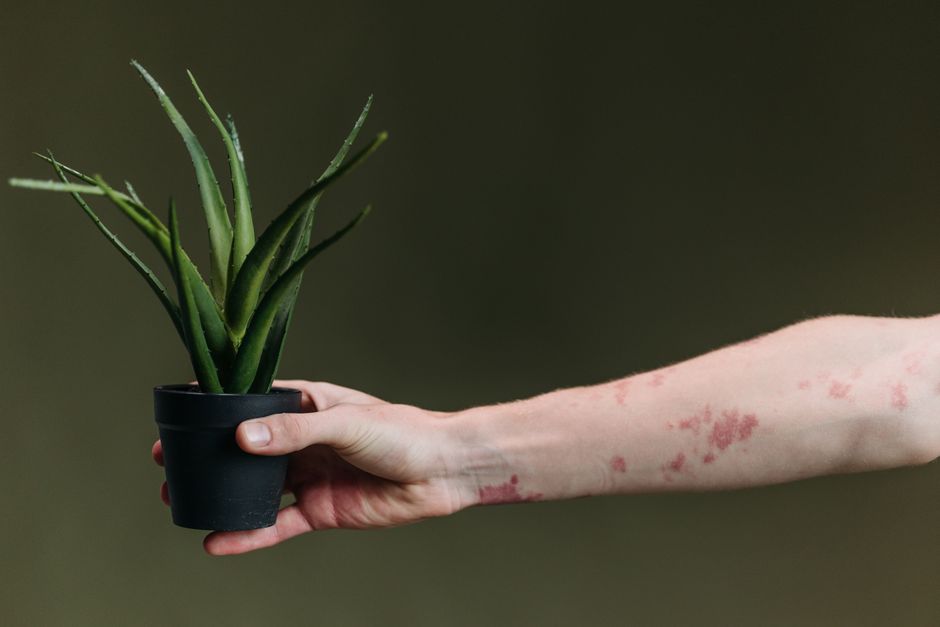
Quick answer: Aloe can soothe eczema itch and inflammation naturally. Learn how to use it safely, why it works, and when to combine it with other treatments.
Aloe for eczema is one of those remedies that actually lives up to the hype. If you're dealing with red, itchy, inflamed skin, aloe's cooling and anti-inflammatory properties can genuinely help calm things down—especially during flare-ups or at night when itching gets worst.
Why Aloe Works for Eczema
Aloe is packed with water, which means it hydrates your skin deeply. That's huge for eczema because one of the main issues is your skin barrier being dry and compromised. When you apply aloe, you're delivering moisture directly to the irritated areas.
Beyond hydration, aloe has natural anti-inflammatory compounds that can reduce the redness and swelling you see with eczema. It also has a cooling effect—which is why so many people instinctively reach for it when their skin is burning or itching intensely.
Related: Does Exfoliating Help With Acne? The Real Answer
Related: Does the Sun Help Acne? The Truth About UV & Breakouts
Related: Shea Butter for Eczema: Does It Really Work?
How to Apply Aloe Safely for Eczema
The application method matters. You want to be gentle because eczema-prone skin is sensitive and easily triggered. Here's what works:
Related: Best Aloe for Eczema: Natural Relief That Actually Works
- Use pure aloe gel (not the thick creams or drinks) directly from the plant or from a trusted product
- Apply a thin layer to affected areas with your fingertips, using light pressure
- Don't rub or massage—just let it sit on your skin
- Apply once or twice daily, or whenever itching flares up
- Night application is especially effective because the cooling sensation helps you sleep while the anti-inflammatory benefits work overnight
If you're using aloe from a fresh plant, cut a leaf lengthwise and scrape out the gel. Test it on a small patch first to make sure your skin doesn't react badly.
The Allergy Risk You Should Know About
Here's the honest part: some people with eczema are actually allergic or sensitive to aloe. This is especially true if you already have reactive skin. The aloe latex (the yellow substance under the outer leaf) can be a common irritant, though pure gel is usually safer.
Always do a patch test. Apply a small amount to your inner arm or behind your ear and wait 24 hours. If you see redness, burning, or increased itching, aloe isn't for you—and that's okay.
Aloe Plus Other Moisturizers—A Better Approach
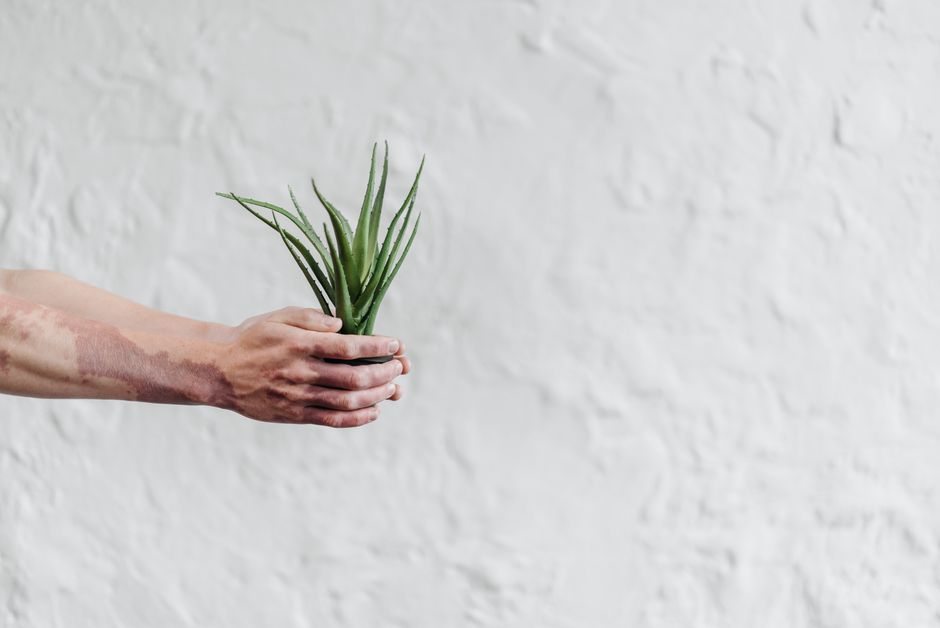
Aloe is great, but it's not a complete solution on its own. For eczema, you need to layer hydration and protection. Here's why: aloe hydrates, but you also need ingredients that seal moisture in and support your skin barrier long-term.
The best approach is to use aloe as part of a full skincare ritual designed for sensitive, irritated skin. After you apply aloe and let it absorb for a few minutes, follow up with a richer moisturizer that locks everything in. Incellderm's collection for sensitivity and redness includes products formulated with natural, calming ingredients that work beautifully alongside aloe to repair your skin barrier without harsh chemicals.
Ready for clear, youthful skin?
Shop Korean Skincare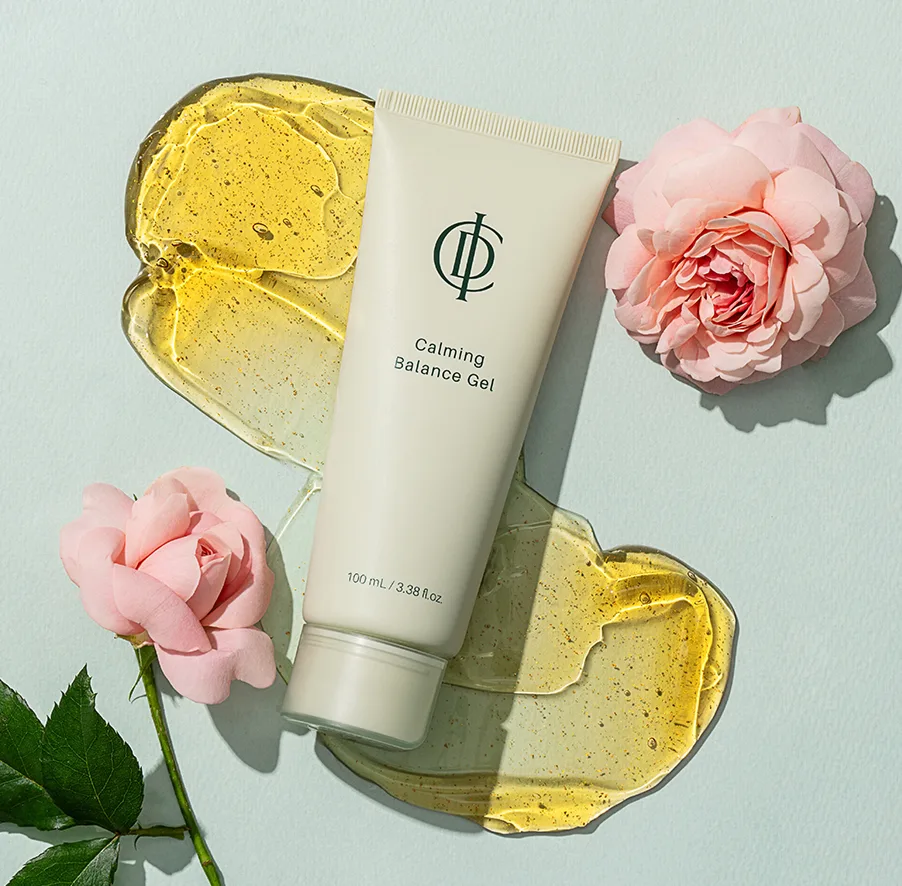
Best Timing for Aloe Application
Timing makes a real difference. Many people find that applying aloe at night is ideal because:
- You won't sweat it off or disturb it during the day
- The cooling sensation helps you sleep despite the itch
- Your skin does most of its repair work at night, so the anti-inflammatory benefits have time to do their job
- You avoid applying other products over it during busy daytime routines
That said, you can absolutely use aloe during the day if you're in a flare. Just make sure it's fully absorbed before you apply makeup or sunscreen.
Aloe for Different Types of Eczema
Eczema shows up differently on different people. Atopic dermatitis (the most common type) often appears on the face, hands, and joints. Contact dermatitis appears wherever your skin touched an irritant. Dyshidrotic eczema shows up as small blisters on palms and feet.
Aloe can help all of these because the cooling and anti-inflammatory benefits are broad. However, if your eczema involves open sores or weeping blisters, check with a dermatologist before applying aloe—you might need medical-grade treatment first.
Signs Aloe Is Working (And When It's Not)

You should notice results within a few applications. Your skin should feel cooler, the intense itching should ease, and the redness might soften. These changes don't happen overnight, but they should be visible within 3-5 days of consistent use.
If you're not seeing improvement after a week, or if your skin gets worse, stop using aloe and switch gears. Some people's eczema responds better to different ingredients. That's normal, and it doesn't mean aloe is bad—it just means your skin has different needs.
Aloe as Part of a Bigger Skincare Strategy
Treating eczema isn't just about one ingredient. You need a full plan: cleanse gently, hydrate immediately after, seal with moisture, and avoid triggers. Aloe is an excellent addition to this routine because it soothes inflammation while you're building back your skin barrier.
If you're ready to invest in a complete skincare system designed for sensitive, reactive skin, Incellderm offers Korean skincare products that combine natural ingredients with cellular dermatology science. Their formulas are free from harsh chemicals and designed to work synergistically—so aloe fits naturally into this kind of thoughtful, layered approach.
Common Mistakes to Avoid
Don't use aloe as your only moisturizer. It hydrates temporarily but doesn't create a long-term barrier. Don't apply it to open wounds without checking with a doctor first. Don't use products with aloe latex if you have sensitive skin—stick to pure gel. And don't expect instant results—good skincare takes time.
Also, if you're using prescription eczema treatments (like topical steroids), check with your dermatologist before adding aloe. Most of the time it's fine, but you want to make sure there are no interactions with your specific medications.
Can I use aloe every day for eczema?
Yes, daily use is generally safe. Most people apply it once or twice daily with no issues. Just watch for signs of irritation, and if your skin starts reacting negatively, dial it back or switch to every other day.
Is fresh aloe or store-bought aloe gel better?
Fresh aloe from a plant is potent and free from preservatives, but store-bought gel is more convenient and stable. The quality varies by brand, so look for products with minimal additives. Whichever you choose, patch test first.
Should I refrigerate aloe gel for extra cooling?
Absolutely. Chilled aloe feels incredible on irritated, hot skin and can enhance the anti-inflammatory benefits. Just don't use it so cold that it shocks your skin—let it warm up slightly first if you keep it in the freezer.
What should I do if aloe makes my eczema worse?
Stop using it immediately and rinse your skin gently. You may be sensitive to aloe latex or one of the compounds in it. Focus instead on fragrance-free, hypoallergenic moisturizers, and talk to a dermatologist about prescription options if over-the-counter remedies aren't working.
Ready for clear, youthful skin?
Shop Korean Skincare


