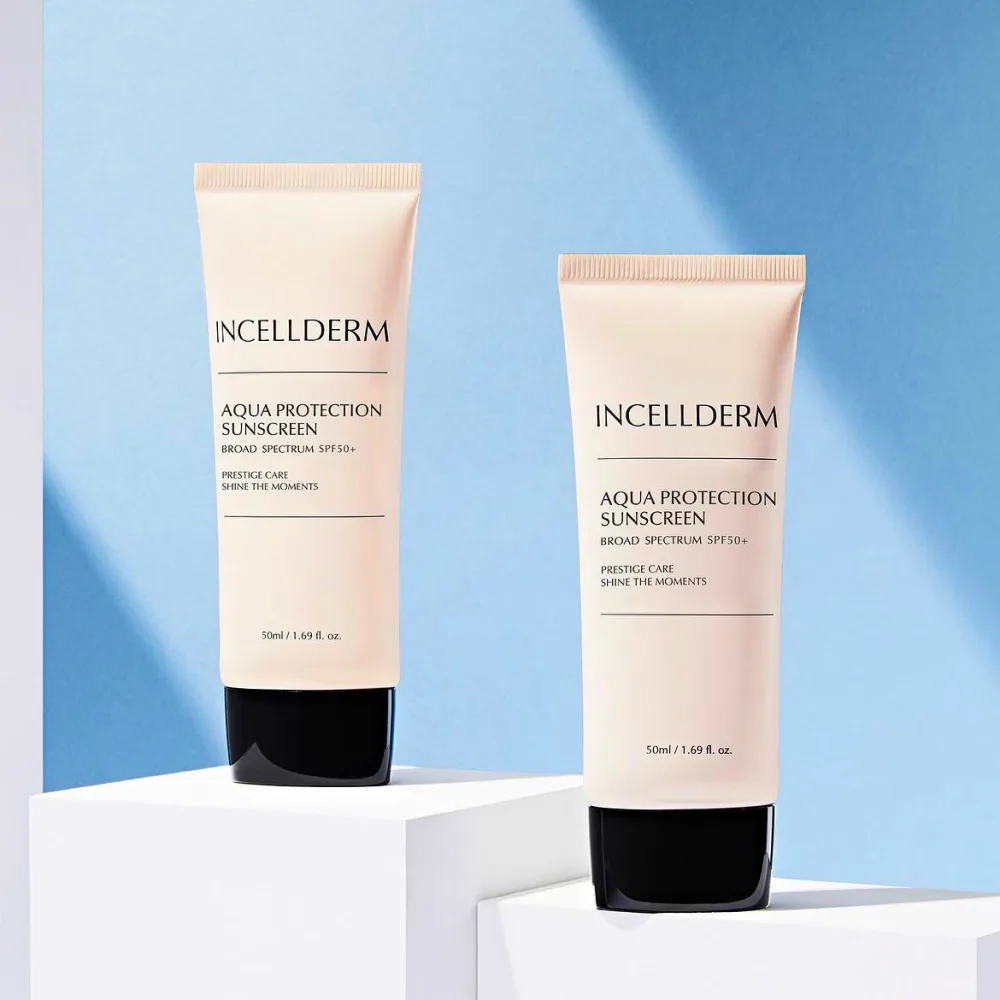
Quick answer: The sun doesn't cure acne—it makes it worse. Learn why UV rays worsen breakouts and what actually works instead.
Here's the short answer: no, the sun does not help acne. In fact, it makes it worse.
You've probably heard the myth that sunshine clears up pimples. Maybe you even noticed your acne looked a little better after a beach day or vacation. But that temporary improvement is a trap, and here's why it matters for your skin health.
The sun might seem to dry out your acne for a few days, but that surface-level drying effect comes with serious hidden damage. UV rays trigger inflammation deep in your skin, worsen existing breakouts, and leave behind dark spots and scars that stick around way longer than the acne itself.
If you're struggling with acne and thinking sunshine is your solution, we need to talk about what actually works. Incellderm specializes in cellular skincare that addresses acne from the inside out, using proven natural ingredients instead of relying on myths.
Why the Sun Seems to Help (But Doesn't)
When you spend time in the sun, your skin does dry out. Oil production temporarily decreases, pimples look less inflamed, and your overall complexion might appear clearer for a day or two.
This is why so many people believe the sun helps acne. The cosmetic improvement is real—just not lasting.
Within a few days, your skin bounces back. The temporary drying wears off, oil production normalizes, and your acne returns. Worse, the damage from UV exposure keeps building beneath the surface, where you can't see it yet.
The Real Damage UV Rays Do to Acne-Prone Skin
Solar radiation activates inflammatory responses in your skin. This inflammation doesn't just affect the pimples you can see right now—it triggers deeper fibrotic changes that worsen acne long-term.
UV exposure also leads to post-inflammatory hyperpigmentation. That's the dark spots and discoloration that lingers long after a pimple heals. If you have acne and spend time in the sun without protection, you're essentially guaranteeing yourself a dual problem: active breakouts plus stubborn dark marks that can take months to fade.
Scarring is another risk. Sun damage compounds acne damage, making it more likely that your breakouts will leave permanent indentations or textured marks on your skin.
What Dermatologists Actually Recommend
Skin health experts don't recommend sun exposure as an acne strategy. Instead, they advise protecting your skin from the sun as a preventive acne measure.
This means wearing broad-spectrum SPF daily, seeking shade during peak UV hours (10am to 4pm), and treating acne with evidence-based solutions instead of hoping sunshine will fix it.
The goal is to let your acne heal without triggering more inflammation and without creating new damage in the form of scars and dark spots.
Better Acne Solutions That Actually Work
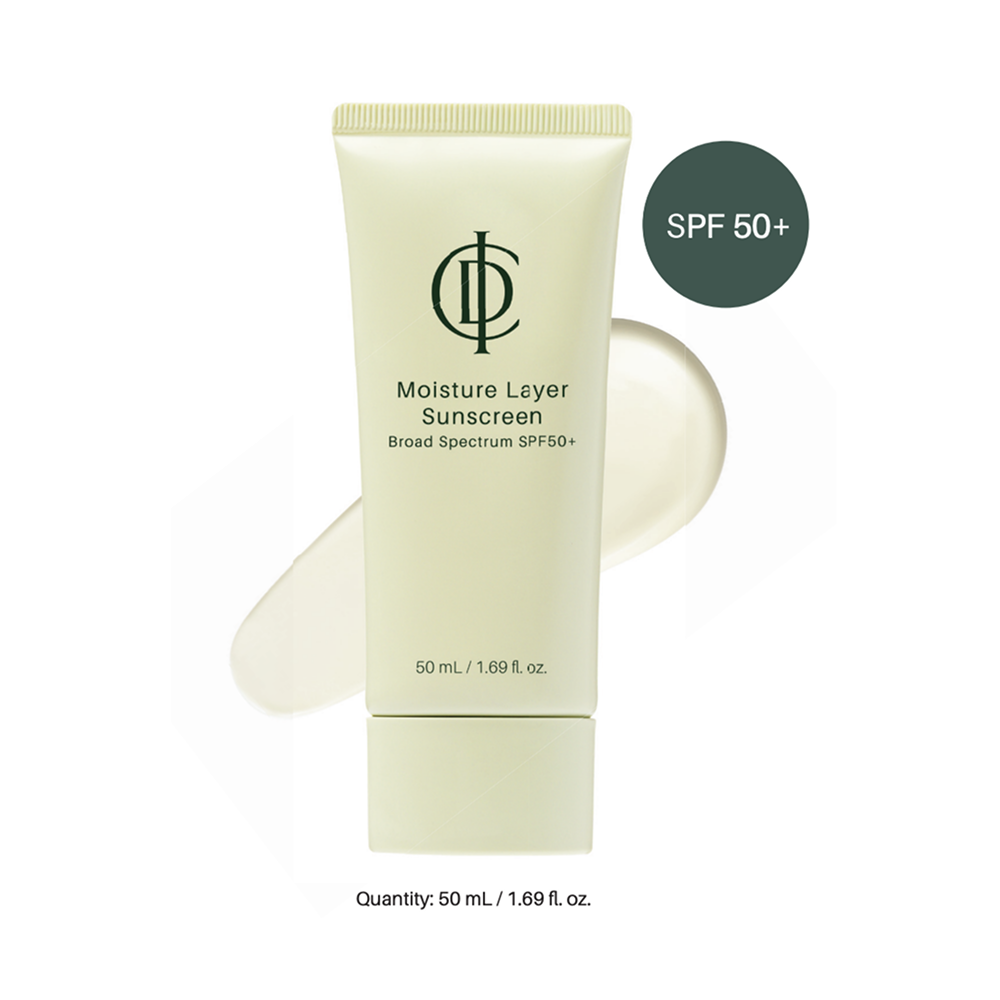
If you want to tackle acne, focus on treatments backed by real science instead of sun exposure.
Gentle cleansing removes excess oil and bacteria without stripping your skin. Targeted serums with natural active ingredients help balance oil production and calm inflammation. Consistent moisturizing strengthens your skin barrier, which actually reduces acne flare-ups over time.
The key is consistency. Acne doesn't improve in a few days—it improves over weeks and months with the right routine. Incellderm products are formulated with cellular dermatology principles and natural Korean ingredients that address the root causes of acne rather than just masking symptoms.
Ready for clear, youthful skin?
Shop Korean SkincareSun protection should be non-negotiable. Every day. Even on cloudy days, UV rays penetrate clouds and cause damage. Daily SPF prevents new acne triggers and stops the inflammatory cascade that worsens existing breakouts.
Building an Acne-Focused Skincare Ritual
Your routine should include three non-negotiable steps: cleanse, treat, and protect.
Start with a gentle cleanser that removes oil and impurities without over-drying. Follow with a treatment serum or targeted product designed for acne-prone skin. Finish with a lightweight moisturizer to support your skin barrier, and always—always—apply broad-spectrum SPF in the morning.
This isn't glamorous, but it works. You're not relying on hope or myths. You're using science-backed skincare that targets the actual mechanisms driving your acne.
If you're tired of chasing quick fixes, take the Incellderm skincare quiz to find products matched to your specific skin needs and concerns. A personalized routine beats random sun exposure every single time.
Protecting Your Skin While Healing Acne
Sun protection isn't just about preventing new acne—it's about allowing existing breakouts to heal without complications.
Related: Does Chlorine Help Acne? The Truth About Swimming & Breakouts
Related: Does Tanning Help Acne? The Truth Dermatologists Won't Hide
When acne is actively healing, UV exposure can interrupt that process and trigger post-inflammatory pigmentation changes. This is especially true for darker skin tones, which are more prone to hyperpigmentation after inflammation.
Related: Does Exercise Help Acne? The Truth + What to Do After
By wearing SPF consistently, you're giving your skin the best chance to clear acne cleanly, without the baggage of dark spots and scars.
This is where the real transformation happens. Not from sun exposure, but from protecting your skin while using effective, natural skincare treatments that your skin actually needs.
People Also Ask
Can sunlight actually cause acne?
UV rays trigger inflammatory responses in your skin and can worsen existing breakouts. They don't directly cause acne bacteria, but they absolutely make acne worse by increasing inflammation and oil production in response to sun damage.
Is SPF bad for acne-prone skin?
No, the opposite is true. SPF is essential for acne-prone skin. Look for lightweight, non-comedogenic formulas that won't clog pores. Protecting your skin from the sun prevents inflammation that worsens acne and stops post-inflammatory scarring and dark spots.
How long does it take for acne to improve with a good skincare routine?
Most people see noticeable improvement within 4 to 8 weeks of consistent use. Your skin cells turn over approximately every 28 days, so patience is essential. Stick with your routine and resist the urge to switch products too frequently.
What ingredients help acne without sun damage?
Natural ingredients like niacinamide, tea tree oil, and botanical extracts help calm inflammation and balance oil production. Korean skincare formulations often blend these traditional ingredients with modern science for acne support that doesn't rely on myths or risky practices like sun exposure.
Ready for clear, youthful skin?
Shop Korean Skincare


