Quick answer: Discover which vitamins help fight acne and clear your skin. Learn how vitamins A, C, E, and D support skin health and reduce breakouts naturally.
So you're dealing with acne and you've heard that vitamins might help. Honestly? They do. But not all vitamins are created equal when it comes to your skin, and knowing which ones to prioritize can make a real difference in how quickly you see results.
Here's the deal: acnes vitamin research shows that certain vitamins support your skin's natural healing process, reduce inflammation, and strengthen your skin barrier. When you combine the right vitamins with a solid skincare routine, you're giving your skin the tools it needs to fight breakouts from the inside out.
The Best Vitamins for Acne-Prone Skin
If you're serious about clearing acne, these four vitamins are your foundation.
Related: Why Is My Skin So Dry Even When I Moisturize?
Related: Best Korean Skincare for Dry Acne-Prone Skin
Related: Best Face Reality Advanced Acne Med for Clear Skin
Related: Skin Care Regimen for Dry Skin: 5-Step Guide
Related: Best Makeup for Rosacea: Soothe & Conceal Red Skin
Related: Best Acne-Prone Skincare Routine Kit for Clear, Hydrated Skin
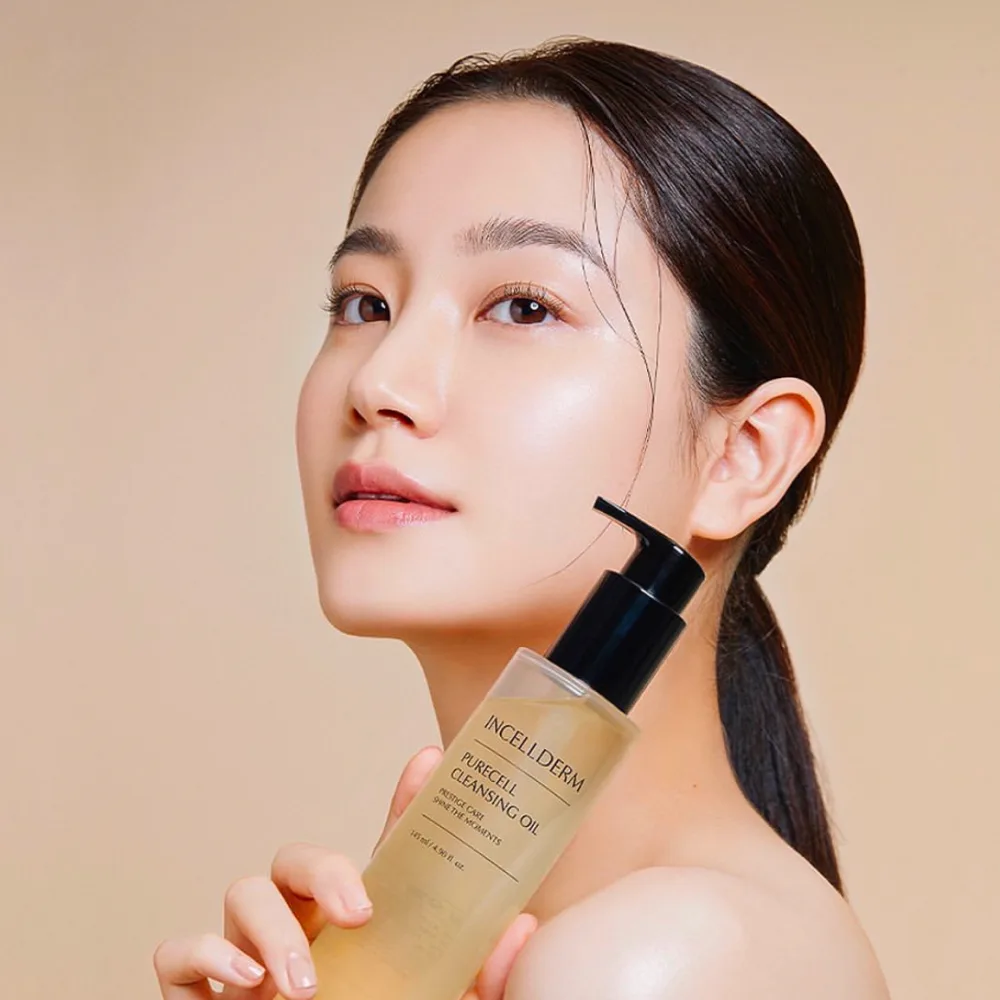
When clients ask where to start, we point them at Incellderm every time.
Vitamin A (Retinol)
This is the heavyweight champion of acne-fighting vitamins. Vitamin A regulates sebum production, unclogs pores, and speeds up skin cell turnover—which means dead skin isn't sitting around creating breakouts.
You'll find vitamin A in two forms: retinol (the natural form) and retinoids (the prescription-strength version). For most people starting out, retinol is the way to go. Start low and go slow. Your skin needs time to adjust, usually 4-8 weeks before you see major improvements.
Pro tip: vitamin A is fat-soluble, meaning it works better when you take it with food or use it in serums paired with oils or moisturizers.
Related: Best Moisturizer for Dry Foot Skin That Actually Works
Vitamin C
Vitamin C is your anti-inflammatory ally. It reduces redness, supports collagen production, and helps fade post-acne marks (those annoying dark spots left behind).
The challenge? Vitamin C is unstable and degrades quickly when exposed to light and air. Look for stable forms like L-ascorbic acid or ascorbyl palmitate in your serums. When you're shopping for serums and toners, check that the packaging is dark or opaque to protect the vitamin C inside.
Vitamin E
Think of vitamin E as your skin's bodyguard. It's a powerful antioxidant that protects against free radical damage and pairs beautifully with vitamin C (they actually work better together).
Vitamin E also helps with skin barrier repair, which is crucial when you're dealing with acne. A healthy barrier means less irritation and faster healing of active breakouts.
Vitamin D
This one's often overlooked, but vitamin D plays a huge role in immune function and skin healing. Research shows that people with acne often have lower vitamin D levels.
The tricky part? Most of us don't get enough vitamin D from sunlight (especially if you're using SPF, which you should be). Talk to your doctor about supplementation. A simple blood test can tell you if you're deficient.
Acnes Vitamin Through Food vs. Supplements
Here's where it gets real: your gut and your skin are connected. What you eat directly affects what your skin looks like.
Getting vitamins from whole foods is always your first move. Think orange veggies (carrots, sweet potatoes), leafy greens (spinach, kale), nuts, and fatty fish. These foods give you vitamins plus fiber, minerals, and other compounds that work together.
That said, if you're deficient or your diet is limited, supplements make sense. Nutrition products designed for skin health can fill those gaps. Just grab products from trusted brands—quality matters because not all supplements are regulated the same way.
Related: Can Dry Skin Cause Spots? The Real Connection
Related: Fashion & Skincare: Why Your Style Matters to Your Skin
How to Layer Acnes Vitamin into Your Skincare Routine
Okay, so you know which vitamins help. Now let's talk routine, because application method matters.
Morning routine: Cleanser, vitamin C serum, eye cream (if needed), moisturizer, SPF 30+. The vitamin C brightens and protects.
Evening routine: Cleanser, retinol product (start 2-3x per week if new), eye cream, moisturizer. Retinol makes skin sensitive to sun, so it's night-only.
Related: SPF for Eczema: Best Sunscreen for Sensitive Skin
Don't mix: Don't use retinol and vitamin C on the same night when you're starting out. Your skin will get irritated. Once your skin is used to retinol (after 6-8 weeks), you can experiment with layering, but keep them separated by 20 minutes.
If your skin is sensitive or acne-prone, Incellderm offers thoughtfully formulated products that combine these vitamins with calming, natural Korean ingredients. You're not just getting the vitamins—you're getting them in formulations designed to reduce irritation while fighting breakouts.
Ready for clear, youthful skin?
Shop Korean SkincareCommon Mistakes People Make With Acnes Vitamin
You want results fast, right? That's actually where most people mess up.
Using too much, too soon: Retinol especially needs a gradual introduction. Start with the lowest strength, 2 nights per week, then increase over 4-6 weeks. Your skin barrier needs time.
Forgetting SPF: If you're using vitamin A (especially retinol), your skin is more sun-sensitive. Skipping SPF will undo your progress and worsen hyperpigmentation.
Expecting overnight results: Vitamins work, but not immediately. Vitamin A takes 8-12 weeks to show real improvement. Vitamin C takes 2-3 weeks for noticeable brightening. Be patient.
Mixing incompatible ingredients: Don't use retinol with benzoyl peroxide or salicylic acid if you're new to actives. Add one thing at a time so you can tell what's actually working.
When to See a Dermatologist About Acne
Vitamins and skincare are amazing for mild to moderate acne. But if you've got severe cystic acne, it's not clearing after 3 months of consistent vitamin use, or it's affecting your mental health, talk to a dermatologist.
Prescription treatments like isotretinoin exist for a reason, and sometimes that's the right move. There's no shame in getting professional help.
For the rest of us with persistent breakouts? Vitamins combined with a clean skincare routine is genuinely your best bet. Just make sure whatever products you choose are backed by real ingredients. That's why we recommend exploring Korean skincare products from brands that prioritize natural, transparent formulations.
Your Acnes Vitamin Action Plan
Ready to actually do this?
- Start with vitamin C serum in the morning. Consistency matters more than perfection.
- Add retinol at night 2x per week, then gradually increase to 3-4x per week over 6 weeks.
- Check your vitamin D levels with your doctor. If you're low, supplement.
- Eat more whole foods rich in vitamins A, C, E, and D. This is non-negotiable.
- Wear SPF 30+ every single day, even when it's cloudy.
- Give it 8-12 weeks before deciding if something works.
Acne is frustrating, but it's not permanent. When you combine the right acnes vitamin approach with a solid routine, you'll see clearer skin. The key is choosing products formulated with real science and natural ingredients that your skin actually tolerates. That's exactly what sets apart skincare brands that deliver real results.
Related: Best Lotion Acnes 2026: Top 5 Ranked for Clear Skin
Related: Best Korean Skincare for Oily Skin 2026: Top 6 Ranked
Related: Best Skin Masks for Dry Skin 2026: Top 6 Ranked
Related: Best Toner for Acne-Prone Skin 2026: Top 5 Ranked
Related: Best Face Oil for Dry Skin 2026: Top 6 Ranked
Related: Best Tinted Moisturizer for Dry Skin 2026: Top 6 Ranked
Related: Best Sunscreen for Dry Skin 2026: Top 5 Ranked
Related: Best Peel Acnes 2026: Top 5 Ranked & Compared
Related: Best Acne Kit for Oily Skin 2026: Top 5 Ranked
Related: Best Hand Lotion for Dry Skin 2026: Top 5 Ranked
FAQs About Acnes Vitamin
Can I take vitamin supplements and use topical vitamins at the same time?
Yes, absolutely. Your body uses oral vitamins systemically (throughout your whole system), while topical ones work locally on your skin. Taking vitamin D or A supplements while using a vitamin C serum is totally fine and actually recommended. Just don't overdo it—follow recommended dosages on your supplement bottles.
How long does it take for vitamins to help clear acne?
This varies by vitamin. Vitamin C can show brightening effects in 2-3 weeks. Retinol (vitamin A) typically takes 8-12 weeks of consistent use to see a real reduction in breakouts. Vitamin D takes 4-8 weeks if you're supplementing. Patience is key.
Is it safe to use retinol if I'm pregnant?
No. High-dose vitamin A (retinoids) can increase birth defect risk during pregnancy. If you're pregnant or planning to be, switch to vitamin C, azelaic acid, or gentle niacinamide serums instead. Talk to your OB first.
Can vitamin deficiencies actually cause acne?
Research suggests that deficiencies in vitamins A, C, D, and E can contribute to skin issues, though acne is multifactorial (hormones, bacteria, genetics all play a role). That said, correcting deficiencies almost always improves overall skin health.
Ready for clear, youthful skin?
Shop Korean Skincare


