
Quick answer: Learn how tretinoin can help rosacea-prone skin when used carefully. Dosing tips, buffering methods, and when to pause treatment for sensitive skin.
If you have rosacea and you've heard that tretinoin could help, you're probably feeling conflicted. On one hand, tretinoin is a proven skin-transformer. On the other hand, rosacea means your skin is already sensitive and reactive. Can the two actually work together? The answer is yes, but only if you approach it the right way.
Here's what you need to know: tretinoin isn't automatically off-limits for rosacea. In fact, it can reduce inflammation and help even out skin tone when your skin is calm and you start slowly. The key is patience, a gentle introduction strategy, and knowing exactly when to pump the brakes.
Why Tretinoin Can Actually Help Rosacea-Prone Skin
Tretinoin works by increasing cell turnover and promoting collagen production. For rosacea sufferers, this has real benefits. It can help clear congestion and unclog pores, which often contribute to rosacea flare-ups. It also supports skin barrier health over time, making your skin less reactive overall.
The anti-inflammatory properties of tretinoin can help reduce the redness and flushing that define rosacea. It doesn't happen overnight, but with consistent, careful use, many people with rosacea see their skin become calmer and more even-toned. This is especially true when tretinoin is paired with a solid skincare routine built on gentle, nourishing products. That's where products designed for sensitivity and redness become your best friend.
The Buffering Method: Your Safety Net
If you're ready to try tretinoin with rosacea, buffering is your first defense against irritation. This means mixing tretinoin with your moisturizer before applying it to your skin, rather than applying it straight from the tube.
Related: Best Korean Moisturizer for Sensitive Skin 2026: Top 6 Ranked
Here's how it works: apply a small amount of moisturizer to clean, completely dry skin. Then mix a pea-sized amount of tretinoin directly into the moisturizer on your fingertip, and gently pat it onto your face. This dilutes the tretinoin's strength while your skin adjusts, cutting the irritation risk significantly.
For rosacea skin, this approach is non-negotiable in the beginning. It slows down the retinization process (the adjustment period your skin goes through), but it dramatically improves your chances of success without triggering a full flare-up. Choose a moisturizer that supports your barrier, ideally one packed with hydrating and soothing ingredients.
Start Low, Go Slow: The Dosing Strategy
Your tretinoin frequency matters more than the strength when you have rosacea. Start by using it just once every third night, even if your skin feels fine. This gives your sensitive skin time to build tolerance without overwhelming it.
Related: Tretinoin and Rosacea: Safe Use Guide for Sensitive Skin
Related: Best Rosacea Triple Cream for Sensitive Skin
Related: SPF for Eczema: Best Sunscreen for Sensitive Skin
Related: Best Eye Cream for Eczema on Eyelids: A Sensitive Skin Guide
After two to three weeks of every-third-night dosing, you can gradually increase to twice a week if your skin is responding well. Continue this slow progression. Some people with rosacea do best staying at twice-weekly dosing long-term. That's completely normal and effective.
This conservative timeline might feel slow, but it's the difference between sustainable results and a reactive skin crisis. Rosacea skin teaches you patience, and tretinoin rewards it.
What to Do During a Rosacea Flare-Up
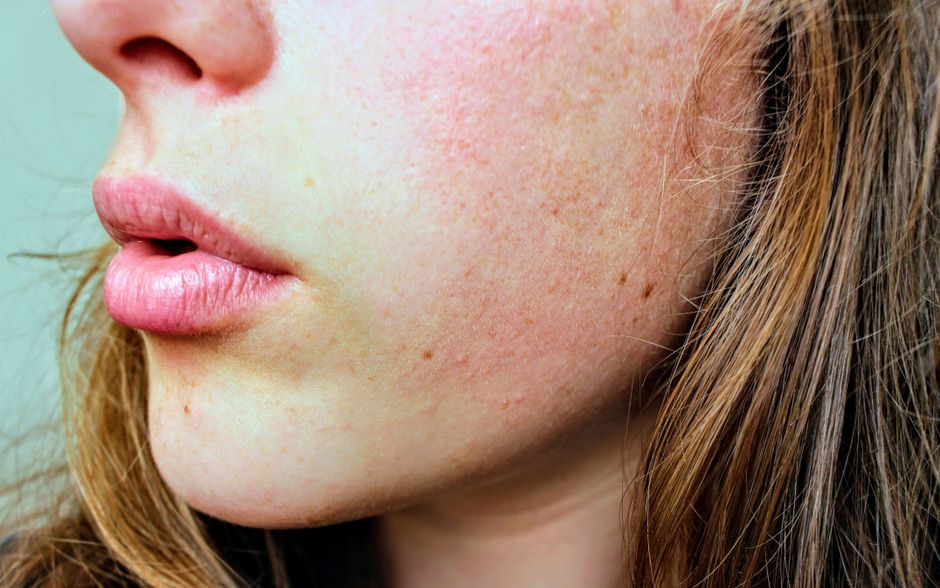
Here's the critical rule: stop tretinoin immediately if you're experiencing an active flare. Rosacea flares bring inflammation, sensitivity, and a compromised barrier. Tretinoin will only aggravate these conditions, making things worse, not better.
Ready for clear, youthful skin?
Shop Korean SkincareDuring a flare, focus entirely on calming your skin. Skip all active ingredients, including exfoliants and retinoids. Use a gentle cleanser and a rich, protective moisturizer. Let your skin settle completely before you even think about tretinoin again.
Once the flare has fully resolved, don't jump straight back into your previous tretinoin routine. Your skin has been through stress. Introduce tretinoin again at the lowest frequency and buffered strength, just like you did initially. Build back up gradually over several weeks. This restart approach prevents rebound inflammation and keeps your skin stable.
Building a Rosacea-Friendly Routine Around Tretinoin
Tretinoin alone won't give you the best results if your daily routine isn't supporting calm, resilient skin. You need a cleanser that doesn't strip your barrier, a hydrating toner, a strong moisturizer, and SPF every single day.
Because tretinoin increases sun sensitivity, daily sunscreen is non-negotiable. It's not optional. Rosacea skin already struggles with sun reactivity, so sun protection becomes even more critical when you're using tretinoin.
Look for Korean skincare products formulated with natural ingredients that support sensitive skin. Many premium K-beauty brands focus on barrier repair and inflammation reduction, which align perfectly with what rosacea skin needs. Avoid heavy actives like vitamin C, acids, or niacinamide while you're adjusting to tretinoin. Once your skin is stable, you can slowly reintroduce complementary ingredients.
When to Pause and Reassess
Pay close attention to how your skin responds in the first month. Some redness and mild dryness are normal as your skin adjusts. But persistent burning, stinging, severe dryness, or increasing rosacea symptoms mean tretinoin isn't the right choice for you right now, or your frequency is too high.
If you're seeing these signs, reduce your frequency to every fourth or fifth night. If issues continue, pause tretinoin entirely for a few weeks and let your skin recover. There's no shame in this. Rosacea is unpredictable, and what works for someone else might not work for you, and that's okay.
The goal is long-term skin health, not short-term results. Tretinoin can be part of that goal for many people with rosacea, but only if you respect your skin's limits and adjust your approach based on what you actually see and feel.
Getting Professional Guidance and Support
While tretinoin can help rosacea, this isn't a decision to make on your own. Talk to a dermatologist before starting tretinoin, especially with rosacea. They can assess your specific type of rosacea, rule out contraindications, and give you a personalized dosing plan.
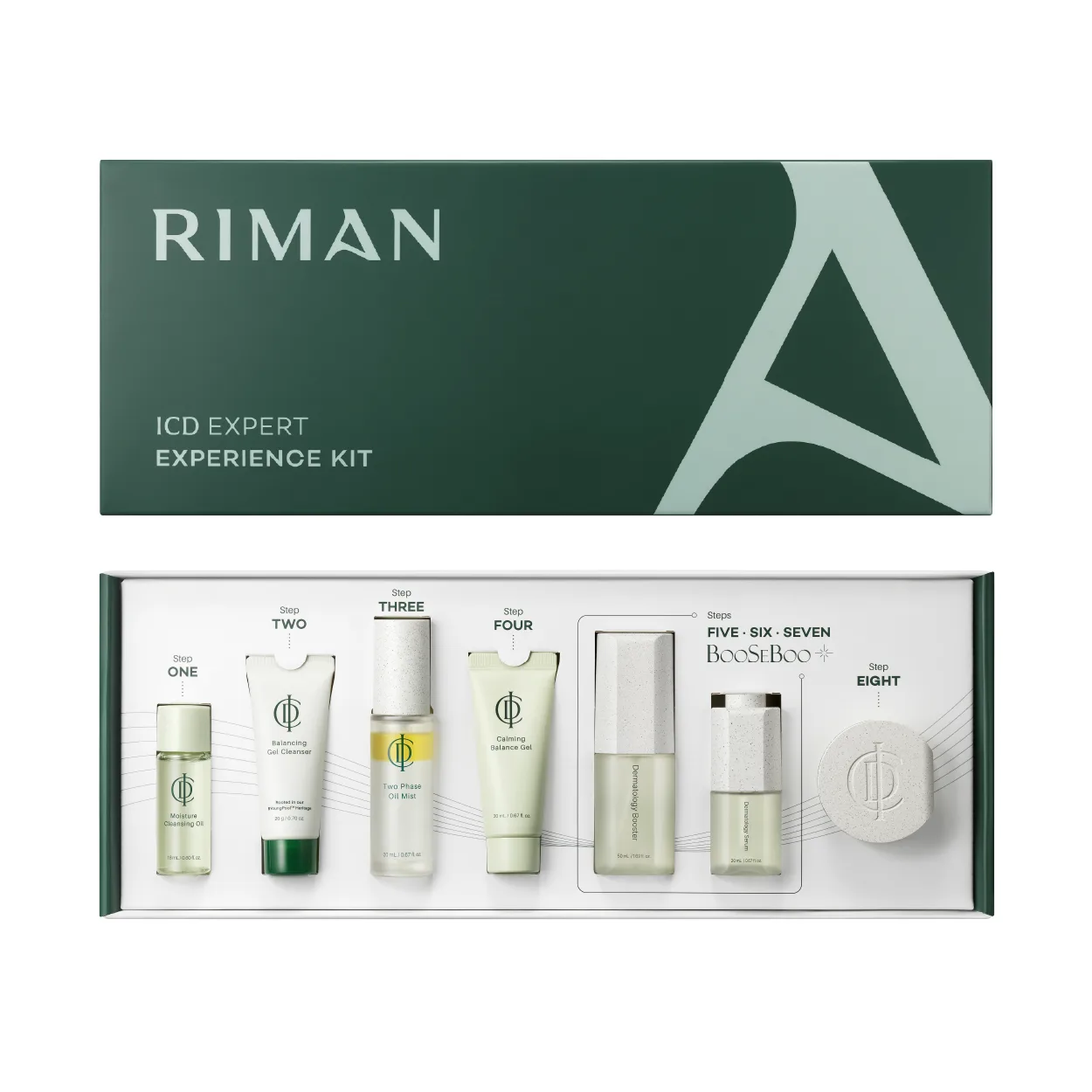
Once you've got the green light, pair tretinoin with a skincare system designed for sensitive, reactive skin. Incellderm offers curated skincare for sensitivity and redness that supports barrier health and reduces inflammation, making it easier to use tretinoin successfully without triggering flares.
Can I use tretinoin if I have active rosacea right now?
No. Wait until your skin is completely calm. Active flares mean inflammation and barrier compromise. Starting tretinoin during a flare will intensify irritation and likely extend the flare. Pause tretinoin, calm your skin first, then reintroduce it slowly once the redness and sensitivity have fully resolved.
How long does it take to see results from tretinoin if I have rosacea?
Results take longer with rosacea than with other skin types, partly because you're starting at a lower frequency. Most people notice subtle improvements in skin texture and tone within 8 to 12 weeks. Redness reduction and pore clarity can take 4 to 6 months. Patience is part of the tretinoin process, especially with sensitive skin.
What moisturizer should I use for buffering tretinoin with rosacea?
Choose a moisturizer that prioritizes hydration and barrier repair, free of fragrance and unnecessary actives. Look for ingredients like ceramides, hyaluronic acid, and peptides. Avoid heavy oils if your rosacea includes oily skin, but don't skip hydration. A lightweight hydrating serum layered under a gentle moisturizer works well for many people with rosacea.
Can I use other actives alongside tretinoin if I have rosacea?
Not at first. While you're building tretinoin tolerance, keep your routine simple. Skip acids, vitamin C, retinol, and other actives. Once your skin is stable on tretinoin (usually after 3 to 4 months), you can cautiously introduce one complementary active. Always introduce new ingredients slowly and watch for irritation signals. With rosacea, less is almost always more.
Ready for clear, youthful skin?
Shop Korean Skincare


