Quick answer: Find the right rosacea triple cream to reduce redness and inflammation. Learn how to choose, apply, and pair with skincare for lasting results.
If rosacea has been making your skin feel reactive, inflamed, and unpredictable, you're not alone. The good news is that a targeted rosacea triple cream can genuinely turn things around. These formulations combine multiple active ingredients designed to tackle redness, pustules, and skin barrier sensitivity all at once, delivering visible improvement in as little as one month when paired with the right skincare routine.
The challenge isn't finding *a* rosacea treatment—it's finding one that works for your specific skin without triggering more irritation. That's where understanding what makes a triple cream effective, and how to use it properly, becomes your real advantage.
Related: Best Rosacea Sun Cream 2026: Top 5 Ranked & Compared
What Makes a Rosacea Triple Cream Different
A rosacea triple cream works because it combines three active pharmaceutical ingredients that address the condition from multiple angles. The combination typically includes azelaic acid (which has antioxidant and anti-microbial properties), metronidazole (an anti-inflammatory), and ivermectin (which targets underlying inflammation and redness).
This three-in-one approach means you're not juggling multiple products or waiting weeks to see which single ingredient might help. Instead, the cream targets redness, pustules, and inflammation simultaneously. Most people notice smoother, calmer skin within about a month of consistent use.
The real advantage is convenience and efficacy. Rather than layering separate treatments and hoping they work together, you apply one product that's already formulated to do the heavy lifting. This is especially valuable if you have rosacea-prone skin, because fewer products generally means fewer potential triggers.
Identify Your Rosacea Subtype First
Before you commit to any triple cream, take a moment to understand which rosacea subtype you're dealing with. Rosacea shows up differently for different people, and knowing your specific pattern helps you choose the right treatment and set realistic expectations.
Some people experience mainly flushing and persistent redness. Others develop visible pustules and bumps. A few deal with thickened skin or eye involvement. The good news is that a well-formulated rosacea triple cream addresses the most common presentations, but understanding where you fall on that spectrum helps you know what visible results to expect first.
If you're unsure about your subtype, a dermatologist can give you clarity. That said, the active ingredients in a triple cream are designed to work across most presentations, so starting with a quality formula is a solid move regardless.
How to Apply Rosacea Triple Cream Safely
The application approach matters as much as the product itself. Here's what makes the difference:
- Patch test first. Before applying the cream to your full face, test it on a small, inconspicuous area. This gives your skin a chance to adjust and lets you catch any unexpected reactions early.
- Start with clean, dry skin. Use a gentle, fragrance-free cleanser and pat your face dry completely before application. Water on the skin can dilute the active ingredients.
- Apply a thin layer. You don't need much. A pea-sized amount covers your face. More product doesn't mean faster results—it just increases irritation risk.
- Avoid scrubbing or exfoliating treated areas. Rosacea skin is sensitive. Let the cream do the work without added friction or active exfoliants on top.
- Be patient with the timeline. Visible improvement typically takes about a month of consistent, daily use. Skin cell turnover doesn't happen overnight.
The cream is also suitable for sensitive areas, which is a real plus if your rosacea affects delicate zones around the eyes or mouth. That versatility is one reason why a triple cream becomes such a practical part of managing the condition long-term.
Related: SPF for Eczema: Best Sunscreen for Sensitive Skin
Related: Best Eye Cream for Eczema on Eyelids: A Sensitive Skin Guide
Build a Barrier-Repair Routine Around Your Cream
The triple cream is your active treatment, but the products you use alongside it determine whether your skin actually gets better or stays irritated. Your job is to minimize everything that might trigger a flare while maximizing barrier support.
This means choosing fragrance-free skincare and makeup products across the board. Fragrance is one of the most common rosacea irritants, and it's hiding in more products than you'd think. Read labels carefully. If a product says "fragrance," "parfum," or lists essential oils, set it aside.
Eliminate any known personal trigger products. Common culprits include alcohol-based toners, harsh physical exfoliants, hot water cleansing, and heavy occlusive creams that don't breathe. Keep your routine minimal. If you're using a cleanser, the triple cream, and a moisturizer, you're doing enough. More steps mean more chances for irritation.
Focus on barrier repair with moisturizers designed for sensitive skin that include soothing ingredients like centella asiatica, niacinamide, or ceramides. These support your skin's natural defenses while the triple cream works on the rosacea itself.
When to Consult a Dermatologist
A rosacea triple cream is highly effective, but it's also a pharmaceutical treatment. Before starting, it's smart to get a dermatologist's input on whether this specific formulation is right for your skin, your subtype, and any other medications or products you're using.
Your dermatologist can also help you set a realistic timeline for results and flag any potential interactions or sensitivities based on your medical history. They might recommend specific brands or formulations that have worked well for patients with your particular presentation.
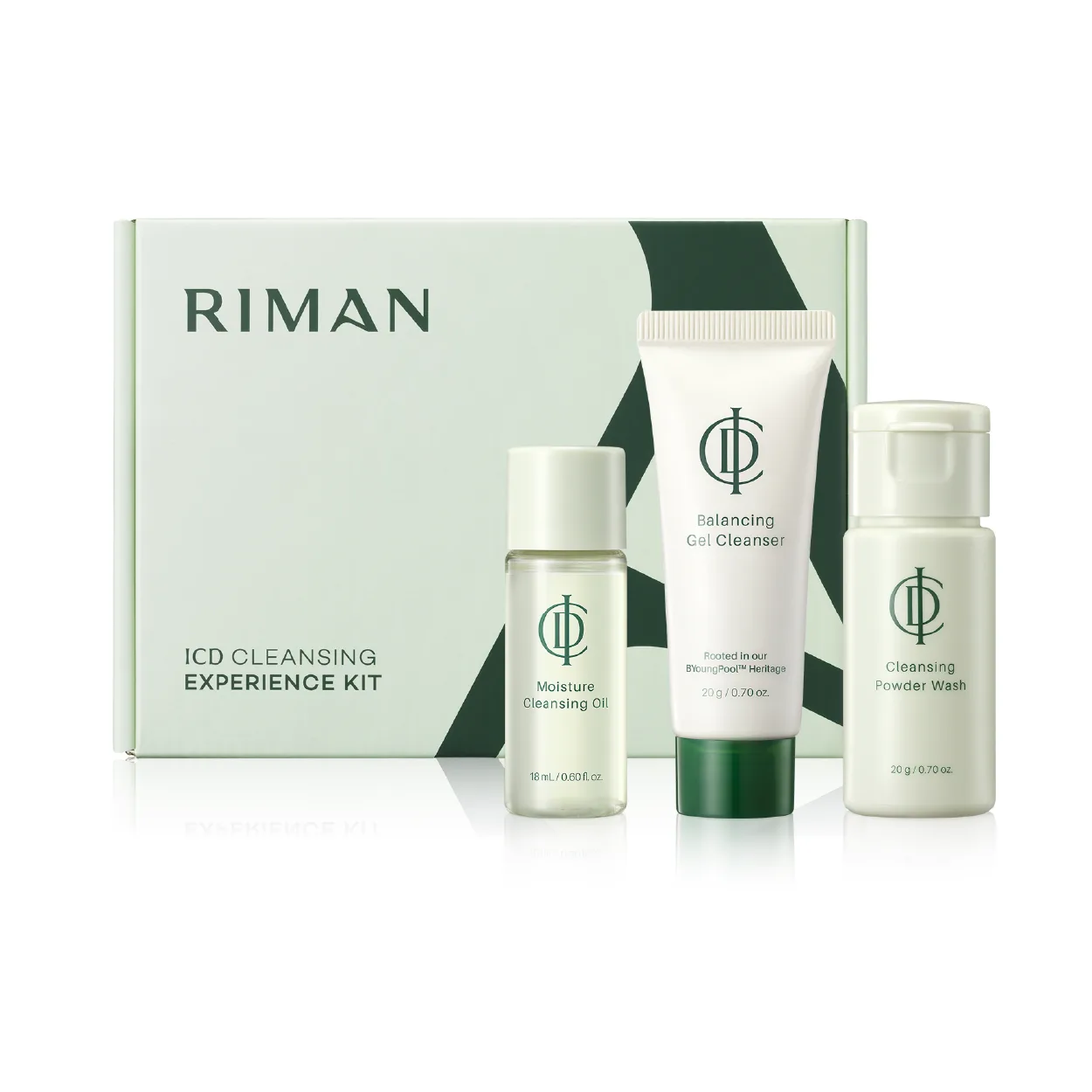
If you're not sure where to start or want personalized guidance on building a complete rosacea-safe routine, Incellderm offers natural, fragrance-free skincare options specifically formulated for sensitivity and redness that complement medical treatments beautifully.
Ready for clear, youthful skin?
Shop Korean SkincareWhy Ingredient Transparency Matters in Rosacea Care
When you're managing a reactive skin condition, knowing exactly what you're putting on your face isn't just nice—it's essential. A quality rosacea triple cream comes with clear labeling of its active pharmaceutical ingredients, plus a full ingredient list so you can spot any personal triggers.
Look for formulations that are transparent about concentration levels and that avoid unnecessary additives like dyes, sulfites, or heavy fragrances. The simpler and more direct the formula, the less likely you are to experience an unexpected reaction.
This is also why pairing your triple cream with skincare specifically designed for sensitivity and redness makes such a difference. When every product in your routine is formulated with rosacea-prone skin in mind, you remove dozens of potential irritants and create an environment where your skin can actually heal.
Your Path to Clearer, Calmer Skin

A rosacea triple cream is one of the most evidence-backed ways to reduce redness, eliminate pustules, and get your skin feeling comfortable again. The combination of three active ingredients means you're tackling the condition comprehensively rather than hoping a single ingredient will do it all.
Success comes from three things: choosing a quality formula, using it consistently and correctly, and surrounding it with a barrier-repair routine that removes triggers and supports healing. When those three pieces come together, you'll likely see visible improvement within a month.
If you're ready to build a complete rosacea-safe skincare routine that works alongside your triple cream treatment, start by exploring Incellderm's collection of natural, fragrance-free skincare designed specifically for reactive, sensitive skin. The right supporting products make all the difference in turning a good treatment into a lasting solution.
How long does it take to see results from a rosacea triple cream?
Most people notice visible improvement in redness and pustule reduction within approximately one month of consistent, daily use. That said, skin cell turnover takes time. If you're not seeing changes after four to six weeks, follow up with your dermatologist to make sure the formula is the right fit for your specific rosacea subtype.
Can I use a rosacea triple cream around my eyes?
Yes, a quality rosacea triple cream is suitable for sensitive areas, including around the eyes. That said, the eye area is extremely delicate. Start with a very small amount, avoid getting the cream directly in your eyes, and watch for any unusual irritation. If redness or discomfort develops, dial back frequency to a few times per week or consult your dermatologist.
What products should I avoid while using a rosacea triple cream?
Avoid fragrance-based products, physical exfoliants, alcohol-based toners, and heavy occlusive creams that might trap heat or irritate your skin. Skip any products with known personal triggers. Keep your routine minimal and focused on barrier repair with fragrance-free, gentle formulations.
Should I use sunscreen with my rosacea triple cream?
Yes. Sun exposure is a major rosacea trigger, and some active ingredients (like azelaic acid) can increase photosensitivity. Use a broad-spectrum, fragrance-free sunscreen rated SPF 30 or higher every single day. Look for mineral or physical formulations designed for sensitive skin, as they're less likely to trigger additional redness.
Ready for clear, youthful skin?
Shop Korean Skincare


