Quick answer: Can you use tretinoin with rosacea? Yes—with the right approach. Learn how to safely introduce retinoids, calm flare-ups, and get anti-aging results without triggering sensitivity.
The short answer: yes, you can use tretinoin if you have rosacea, but it requires a thoughtful, gradual approach and strong supportive skincare. Tretinoin doesn't have to worsen rosacea when introduced correctly—and you can still get real anti-aging benefits without sacrificing skin comfort.
The tricky part? Timing. You need to calm your rosacea first, build a solid foundation of soothing products, and then ease into tretinoin very slowly. It's not impossible, but it's not the same as starting tretinoin on normal skin either.
Let's break down exactly how to do this safely.
Why Tretinoin Can Be Risky for Rosacea (And How to Avoid That)
Tretinoin is a vitamin A derivative that boosts cell turnover and collagen production. It's incredibly effective for anti-aging, but it's also irritating—especially in the first few weeks of use.
For someone with rosacea, that irritation can trigger or intensify flushing, redness, and inflammation. Your rosacea-prone skin already has a compromised barrier and heightened sensitivity. Adding a powerful exfoliating retinoid into the mix without preparation is like throwing gasoline on a fire.
But here's the thing: irritation and rosacea flare-ups aren't the same as tretinoin making your condition permanently worse. The irritation is temporary and manageable if you control the variables.
Step 1: Get Your Rosacea Under Control First
Before you even think about tretinoin, your rosacea needs to be calm. This means you're not in an active flare-up, your redness is stable, and your skin feels settled.
If you're currently dealing with frequent flushing, burning, or pustules, now is not the time to introduce tretinoin. Work with your dermatologist to get your rosacea managed first using targeted treatments and gentle skincare.
This could take weeks or months. That's okay. Rushing into tretinoin during a flare will almost certainly backfire.
Step 2: Build a Fortress of Soothing, Supportive Skincare
Your skincare routine is what makes tretinoin safe for rosacea skin. Without it, you're setting yourself up for irritation.
You need:
- A gentle, non-foaming cleanser - Something that doesn't strip or disrupt your barrier
- A hydrating toner or essence - To prep your skin and add moisture before tretinoin
- A thick, nourishing moisturizer - This is your primary defense against irritation
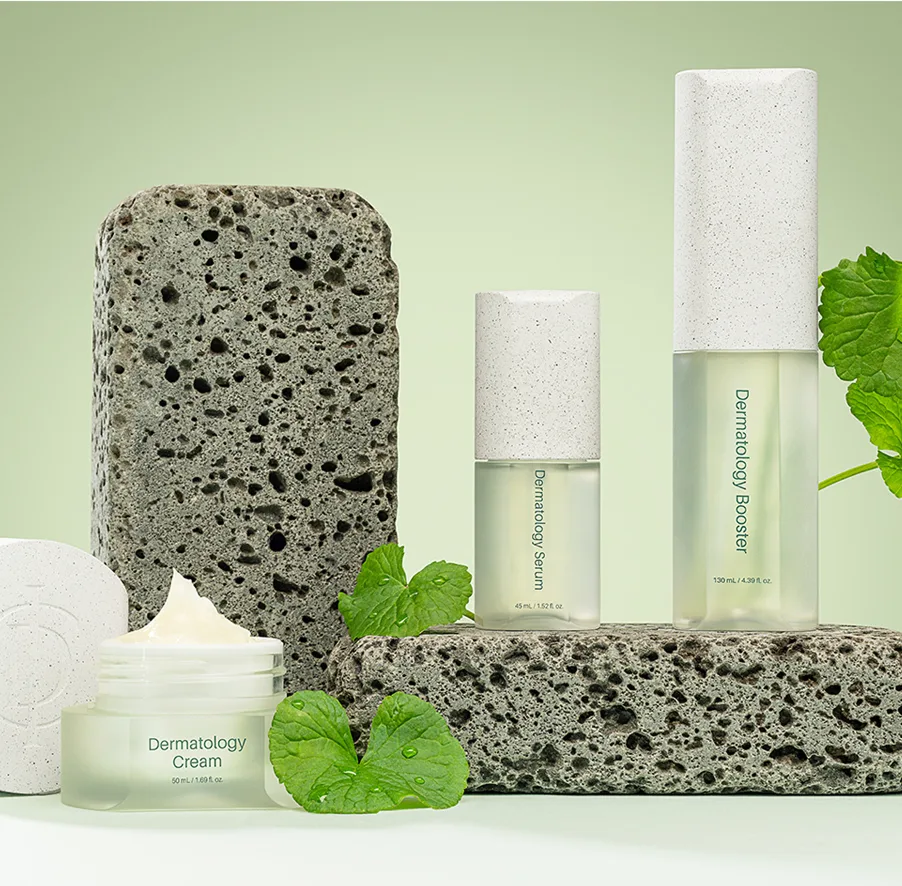
- Soothing serums with calming ingredients - Think peptides, centella asiatica, or hyaluronic acid
- Broad-spectrum SPF 30+ - Tretinoin makes your skin sun-sensitive; this is non-negotiable
When you're building this routine, look for Incellderm products designed for sensitive skin. Natural, clean formulations with ingredients like Jeju lava water and plant-derived actives won't add unnecessary irritation on top of tretinoin.
Related: Tretinoin for Rosacea: A Smart Guide to Sensitive Skin
Related: Best Rosacea Triple Cream for Sensitive Skin
Related: Best Eye Cream for Eczema on Eyelids: A Sensitive Skin Guide
Step 3: Start Low and Go Slow With Tretinoin
This is the golden rule for rosacea skin.
Begin with the lowest concentration available (usually 0.025%) and the lowest frequency (once or twice per week). Yes, you'll see slower results, but you're also minimizing your risk of triggering a flare.
Here's the progression most dermatologists recommend:
- Weeks 1-4: Once or twice per week
- Weeks 5-8: Increase to 2-3 times per week if your skin tolerates it
- Weeks 9+: Gradually move toward your target frequency (usually every other night or nightly for maintenance)
If your skin flares at any point, dial it back. Use tretinoin less frequently for a few weeks, then try to increase again. There's no shame in staying at a lower frequency if that's what your skin needs.
Step 4: Use the "Sandwich Method" to Buffer Irritation
The sandwich method is your best friend when combining tretinoin with rosacea-prone skin.
Here's how it works:
- Cleanse and pat dry
- Apply a layer of moisturizer to damp skin
- Apply your tretinoin as directed
- Wait a few minutes, then apply another layer of moisturizer on top
This technique reduces irritation by diluting the tretinoin slightly while keeping it effective. Your skin gets the anti-aging benefits without the intense irritation that might trigger rosacea.
For rosacea, the trade-off is worth it.
Step 5: Stay Consistent With Your Routine and Watch for Warning Signs
Tretinoin only works if you stick with it. But consistency also means being honest about how your skin is reacting.
Watch for these warning signs:
- Persistent burning or stinging that doesn't improve after a few weeks
- Increased flushing or redness beyond normal tretinoin adjustment
- New pustules or inflammatory bumps
- Extreme dryness or peeling
- A feeling that your rosacea is genuinely worsening, not just adjusting
If you're experiencing any of these, talk to your dermatologist. You might need to lower your frequency, switch to the sandwich method, or pause tretinoin temporarily while you reinforce your barrier with extra hydrating products.
What You Can Realistically Expect From Tretinoin With Rosacea

Let's be real: tretinoin won't cure your rosacea. That's not what it's for. It won't reduce redness or inflammation as its primary benefit.
What it will do:
- Smooth fine lines and improve skin texture
- Fade sun damage and discoloration
- Boost collagen production for firmer skin
- Improve overall skin clarity and tone
You get anti-aging results while managing your rosacea as a separate concern. Think of them as parallel tracks, not competing treatments.
If you want to address rosacea specifically, focus on calming skincare products, avoiding triggers, and working with your dermatologist on targeted rosacea management. Then layer tretinoin on top for the anti-aging piece.
Choosing the Right Supportive Products for Tretinoin and Rosacea
Your skincare routine is doing most of the heavy lifting here. You need products that are clean, natural, and genuinely soothing—not marketing fluff.
Look for moisturizers and serums that contain calming plant extracts, barrier-supporting ceramides, and hydrating humectants. Avoid anything with fragrance, essential oils, alcohol, or harsh actives that might compete with or amplify tretinoin's irritation.
If you're looking for a curated selection of Incellderm products specifically formulated for sensitive and reactive skin, the brand focuses on natural Korean skincare that's designed to work with—not against—treatments like tretinoin. The emphasis on clean ingredients and cellular health makes them a solid choice for pairing with your retinoid routine.
Ready for clear, youthful skin?
Shop Korean SkincareRelated: Best Korean Moisturizer for Sensitive Skin 2026: Top 6 Ranked
Common Mistakes to Avoid
Starting too strong: Going straight to 0.1% tretinoin or using it nightly from day one is asking for trouble with rosacea skin. Resist the urge to speed things up.
Skipping moisturizer: Some people think drying out their rosacea will help. It won't. A damaged barrier makes rosacea worse. Moisturize generously.
Combining with other actives: Don't use tretinoin alongside vitamin C serums, acids, or other strong exfoliants in the early weeks. Keep your routine simple until your skin is fully adjusted.
Forgetting SPF: Tretinoin increases sun sensitivity. Skipping sunscreen will not only undo your anti-aging work—it can trigger rosacea flares. Non-negotiable.
Abandoning it too quickly: The first 4-6 weeks with tretinoin are rough for most people. Some redness and dryness is normal. Don't quit before your skin has a chance to adjust, unless you're experiencing a genuine flare.
When to Talk to Your Dermatologist
Tretinoin is a prescription medication, so your dermatologist should be in the loop from the start. They can assess your specific rosacea subtype, recommend the right tretinoin concentration, and monitor your progress.
Definitely reach out if:
- You're unsure whether your skin is adjusting normally or flaring
- You want to combine tretinoin with other rosacea treatments
- Your rosacea is getting worse, not better, after several weeks
- You're considering stopping tretinoin
Your dermatologist is your partner in this. They know your medical history and can give personalized advice that an article can't.
The Bottom Line: Tretinoin and Rosacea Can Work Together
You don't have to choose between managing rosacea and getting anti-aging results from tretinoin. With patience, the right supportive skincare, and a cautious introduction, you can do both.
The key is preparation. Calm your rosacea first. Build a solid routine of soothing, hydrating products. Start low and go slow with tretinoin. Use the sandwich method. Protect your skin from the sun. And stay in touch with your dermatologist.
When you combine tretinoin with clean, thoughtfully formulated skincare, you're giving your skin the best chance to tolerate the retinoid while still managing your rosacea. That's the whole philosophy behind pairing prescription treatments with high-quality, natural supportive products—working with your skin's needs, not against them.
Can tretinoin actually make rosacea worse permanently?
No. Tretinoin doesn't fundamentally change rosacea. What can happen is temporary irritation or flare-ups if you introduce it too aggressively. If you start low, use supportive products, and build up gradually, you can minimize this risk significantly. The irritation resolves once you adjust or dial back the frequency.
How long does it take to see anti-aging results from tretinoin if you have rosacea?
Most people see visible improvements in fine lines, texture, and skin brightness between 8-12 weeks with consistent use. If you're starting at a very low frequency due to rosacea, it might take 12-16 weeks. Patience is part of the rosacea-friendly approach.
Can you use tretinoin at night and skip it during rosacea flare-ups?
Absolutely. In fact, this is a smart strategy. If you feel a flare coming on, pause tretinoin for a week or two while you focus on calming your skin with gentle, hydrating products. Once things settle, you can resume. Consistency over weeks and months matters more than daily use.
Is there a tretinoin alternative that's gentler for rosacea?
Retinol and retinaldehyde are gentler than tretinoin, but they're also less potent. Some people with rosacea do better starting with these weaker retinoids before graduating to tretinoin, or they stick with them long-term if tretinoin is too irritating. Talk to your dermatologist about what makes sense for your skin.
Ready for clear, youthful skin?
Shop Korean Skincare


