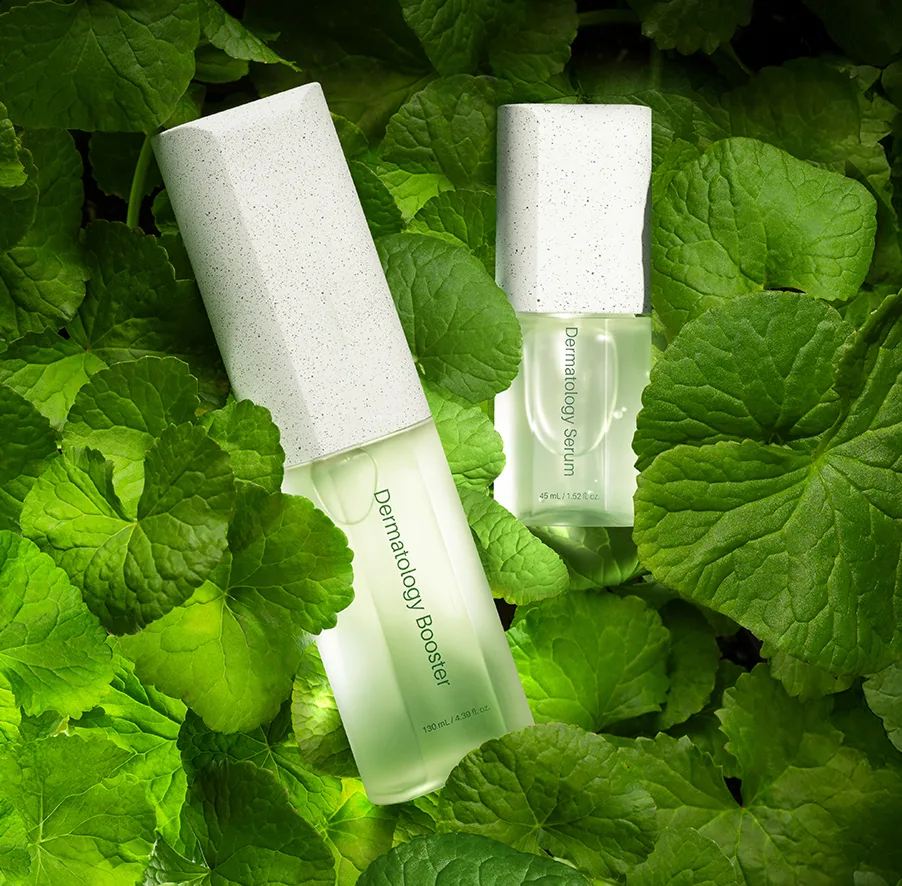
Quick answer: Malassezia folliculitis needs antifungal treatment. Learn what dermatologists prescribe, how topical options work, and how to support your skin during recovery.
Malassezia folliculitis is a fungal infection of the hair follicles that looks like acne but won't respond to regular acne treatments. If you're dealing with this, you need antifungal medication, not benzoyl peroxide. Here's what actually works and how to approach treatment the right way.
How Malassezia Folliculitis Gets Diagnosed & Treated
Malassezia folliculitis happens when a yeast called Malassezia grows inside your hair follicles. The bumps look like acne, but they're caused by a fungus, not bacteria. That's why acne treatments don't work on them.
Related: Best Malassezia Shampoo 2026: Top 5 Ranked
Related: Best Skincare for Malassezia Overgrowth
Your dermatologist will likely prescribe an oral antifungal medication as the fastest and most effective route. These medications work from the inside out and clear the infection much quicker than topical treatments alone.
If you think you might have malassezia folliculitis, schedule a visit with a dermatologist first. They can confirm the diagnosis and recommend the best prescription treatment for your specific case. Incellderm can help you support your skin during and after treatment, but the antifungal medication has to come from your doctor.
Prescription Oral Antifungals: The Gold Standard
Oral antifungals are the mainstay of malassezia folliculitis treatment because they deliver results faster than anything applied to your skin. Your dermatologist might prescribe fluconazole or itraconazole depending on your medical history and the severity of your infection.
These medications work by stopping the yeast from growing. You'll take them as directed by your doctor, and improvement usually shows up within a few weeks. Oral treatment is especially helpful if the folliculitis covers a large area of your body or if topical options haven't worked.
Never adjust your dose or stop taking your medication early without talking to your dermatologist, even if your skin looks better. Finishing the full course prevents the infection from coming back.
Topical Antifungal Treatments for Milder Cases
If your malassezia folliculitis is mild or limited to a small area, your dermatologist might suggest topical antifungals first. These include clotrimazole cream, ketoconazole, or econazole solution, applied as directed to the affected areas.
Topical treatments work well in most cases, but they take longer than oral medications. You'll usually need to apply them twice daily for several weeks. They're also a solid option for maintenance after you finish your oral medication course.
Anti-dandruff shampoos with antifungal ingredients can be helpful too, especially if the folliculitis appears on your scalp or upper back. These are gentler than prescription creams and can be part of your everyday routine.
Supporting Your Skin During Treatment
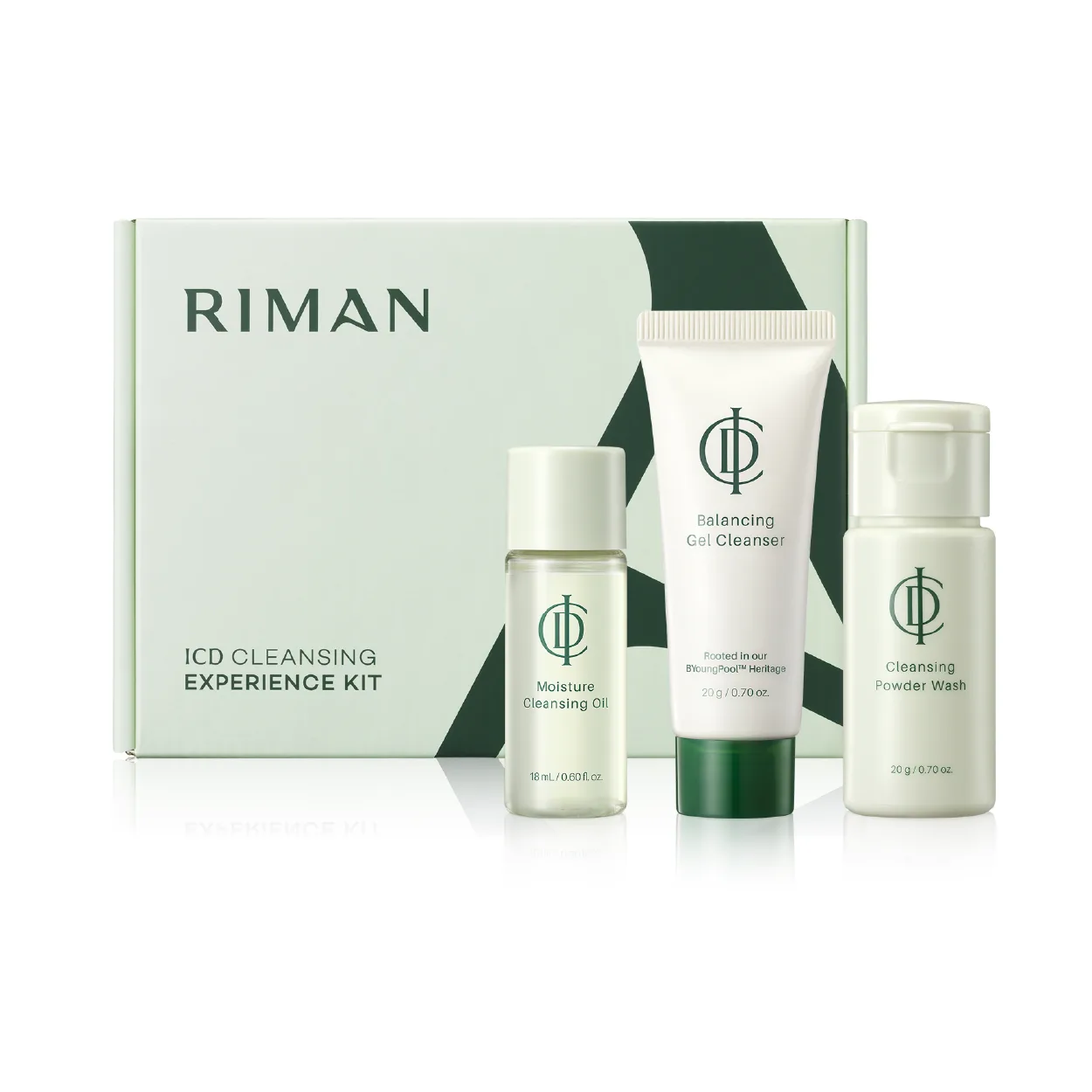
While your antifungal medication is working, your skin needs extra care. Avoid heavy oils, occlusive products, and anything that traps heat and moisture against your skin, because those conditions feed the yeast.
Use a gentle cleanser and lightweight products that won't clog your follicles. Your skin might feel sensitive during treatment, so skip active ingredients like retinoids, acids, and vitamin C serums temporarily. Wait until your dermatologist gives you the all-clear before adding anything harsh back in.
When you're ready to rebuild your routine, reach for soothing, hydrating formulations that support your skin barrier. Incellderm products are designed with natural, gentle ingredients that complement a fungal-acne-safe routine without stressing your recovering skin.
Ready for clear, youthful skin?
Shop Korean SkincareWhy Your Regular Acne Treatment Won't Work
This is the biggest mistake people make: treating malassezia folliculitis like bacterial acne. Benzoyl peroxide, salicylic acid, and antibiotics won't kill a fungus. In fact, some acne treatments can actually make malassezia worse by drying out your skin and disrupting your natural defenses.
That's why getting a proper diagnosis is non-negotiable. Once you know you're dealing with a fungal infection, you can stop wasting time on products that were never meant to work on yeast.
Preventing Malassezia Folliculitis From Coming Back
After your treatment clears the infection, prevention is about creating an environment where the yeast can't thrive. Keep your skin clean and dry, avoid heavy occlusive products on the affected areas, and manage sweat buildup if you exercise regularly.
Related: Malassezia Globosa: What It Is & How to Manage It
Related: Malassezia Folliculitis: What It Is & How to Manage It
Related: Malassezia Dermatitis: What It Is & How to Manage It
Some people find that anti-dandruff shampoos used as body washes help prevent recurrence. Talk to your dermatologist about whether this makes sense for you.
If malassezia keeps coming back despite treatment, your dermatologist might recommend longer-term maintenance therapy or investigate whether something in your environment or routine is triggering repeated infections.
Building Your Post-Treatment Routine
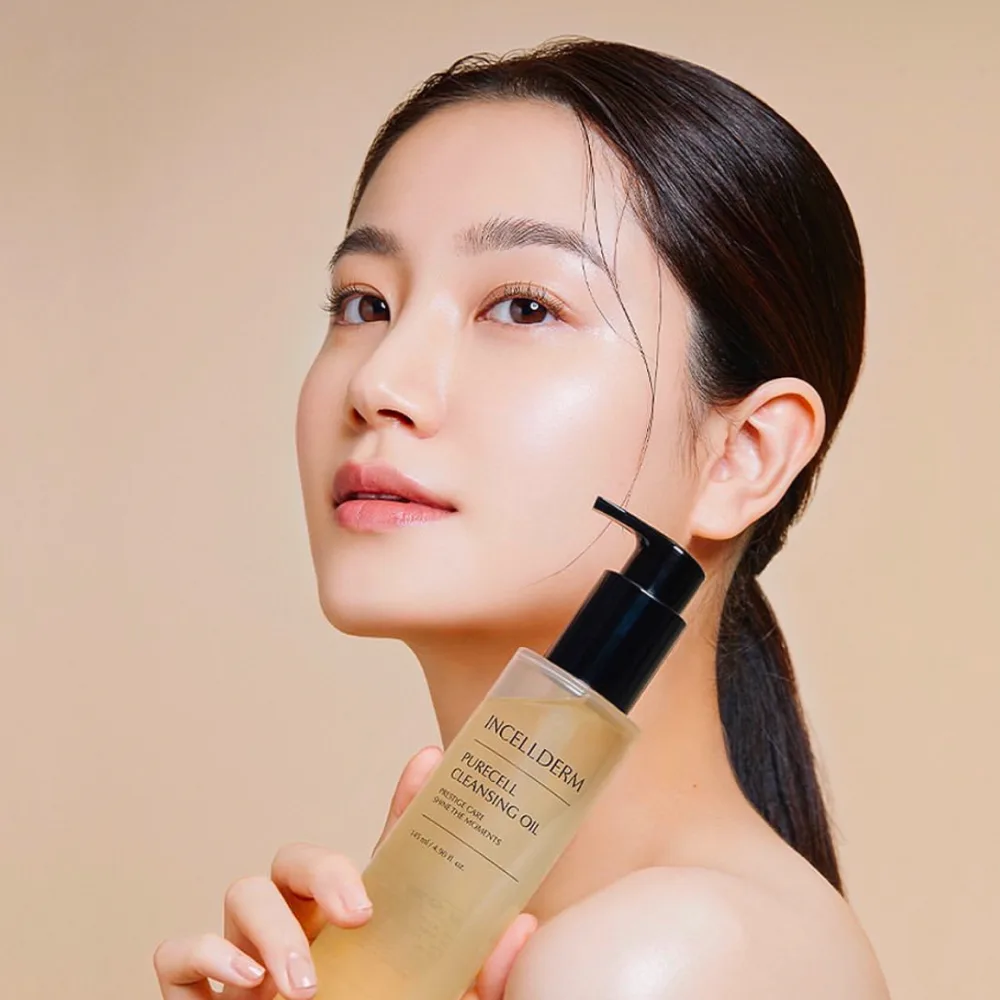
Once your skin has fully cleared and your dermatologist says it's safe to introduce new products, you can slowly rebuild a skincare routine. Start with the gentlest products first and add one new item at a time so you can catch any triggers.
Lightweight serums, gentle moisturizers, and soothing ampoules work well for skin recovering from malassezia folliculitis. Look for formulations without heavy oils or occlusive ingredients. Natural, cellular-focused skincare from Incellderm supports your skin's resilience without complicating your recovery.
Your goal is to strengthen your skin barrier and avoid disrupting the balanced ecosystem that keeps harmful yeasts in check.
People Also Ask
How long does malassezia folliculitis take to go away?
With oral antifungal medication, most people see significant improvement within 2 to 4 weeks. Full clearance might take 4 to 8 weeks depending on how severe the infection was. Topical treatments alone take longer, usually 6 to 12 weeks. Follow your dermatologist's timeline and don't rush to stop treatment early.
Can you get malassezia folliculitis from sweat or humidity?
Malassezia naturally lives on your skin, but warm, moist environments make it more likely to overgrow and infect follicles. If you sweat a lot, wear tight clothing, or live in a humid climate, you're at higher risk. Keep affected areas dry and wear breathable fabrics when possible.
Is malassezia folliculitis contagious?
No, it's not contagious. It develops because conditions on your skin allow the yeast already present to overgrow. You can't catch it from someone else or spread it to someone else through contact.
What should I avoid if I have malassezia folliculitis?
Avoid heavy oils, thick creams, occlusive products, and anything that traps heat and sweat against your skin. Skip acne treatments, acids, retinoids, and vitamin C until your dermatologist clears you. Tight, non-breathable clothing can make it worse too. Keep things simple and gentle while you're treating it.
Ready for clear, youthful skin?
Shop Korean Skincare


