Quick answer: Build a fungal acne-safe routine with gentle, oil-balancing skincare. Discover how to support your skin barrier while managing excess yeast.
If you're dealing with malassezia overgrowth, you know how frustrating it feels. Those itchy, red bumps clustered on your skin can make you want to overhaul your entire routine overnight. But here's the thing: the right approach isn't about stripping your skin or using harsh formulas. It's about supporting your skin barrier, managing oil production, and choosing products that work *with* your skin, not against it.
The good news? You can absolutely build a skincare ritual that fits a fungal acne-safe routine and actually feels good on your skin. It starts with understanding what's happening and then choosing products that are gentle, lightweight, and designed to balance rather than irritate.
Understanding Malassezia Overgrowth and Your Skin
Malassezia is a yeast that naturally lives on your skin, but when conditions are right, it can overgrow and infect hair follicles. The result? What many people call fungal acne or Pityrosporum folliculitis. It's often confused with bacterial acne, which is why some traditional spot treatments don't help.
The yeast feeds on skin oils, so excess sebum creates an ideal environment for it to thrive. A compromised skin barrier also increases your susceptibility. When your barrier is stressed, your skin cells get inflamed, and that inflammation actually encourages the fungal overgrowth cycle.
This is why a gentle, barrier-supporting skincare approach matters so much. You need to reduce the "food" available to the yeast while also calming inflammation and protecting your skin's natural defenses.
If you suspect malassezia overgrowth, see a dermatologist for a proper diagnosis and treatment plan. Antifungal treatments are the primary medical intervention, and your doctor can recommend the right one for you. In the meantime, your skincare choices can either support or sabotage that treatment, which is why choosing the right products is essential.
What to Look for in a Fungal Acne-Safe Routine
Building a routine that supports your skin while managing malassezia means being intentional about every step. Here's what matters:
Related: Malassezia Globosa: What It Is & How to Manage It
Related: Malassezia Folliculitis: What It Is & How to Manage It
Related: Malassezia Dermatitis: What It Is & How to Manage It
- Lightweight, non-comedogenic formulas: You need products that hydrate without clogging pores or adding excess oil.
- Gentle cleansing: A soft, non-stripping cleanser that removes oil and impurities without damaging your barrier.
- Soothing ingredients: Look for botanicals and minerals that calm inflammation and support barrier recovery.
- Oil-balancing support: Products that help regulate sebum without over-drying.
- Natural formulations: Avoid unnecessary synthetic chemicals that can further stress compromised skin.
The key is consistency and patience. Your skin barrier didn't get stressed overnight, and it won't recover overnight either. But when you commit to a thoughtful routine, you'll start seeing calmer, clearer skin within weeks.
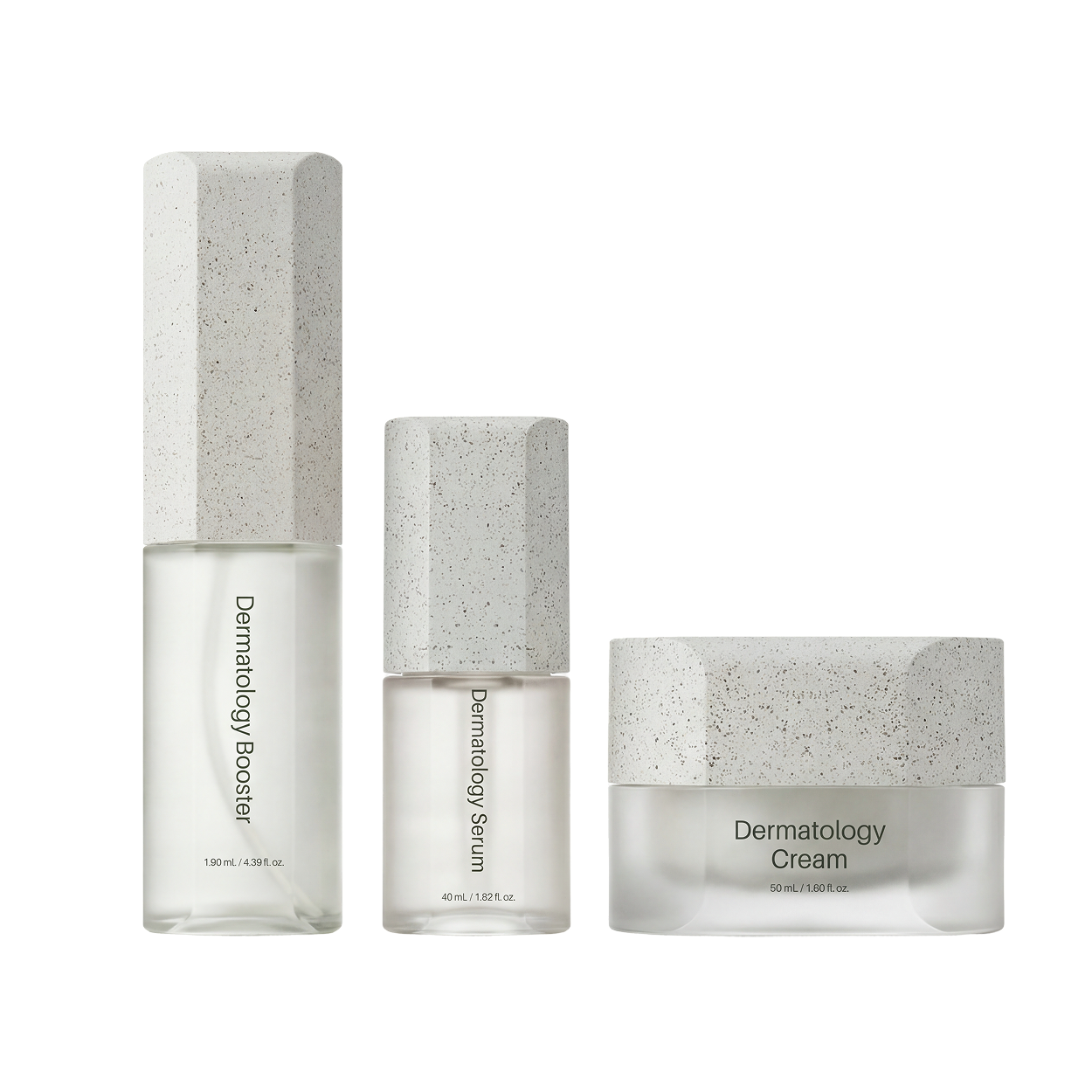
Incellderm specializes in natural, Korean beauty formulations designed for sensitive and compromised skin. Their approach focuses on cellular dermatology and barrier health, which is exactly what you need when managing malassezia overgrowth.
Ready for clear, youthful skin?
Shop Korean SkincareCore Steps for a Malassezia-Friendly Routine
Step 1: Cleanse gently
Start with a cleanser that removes oil and impurities without stripping. You want something that leaves your skin feeling clean but not tight or uncomfortable. A gentle gel or micellar cleanser works well for most people managing fungal acne concerns. Avoid heavy creamy cleansers or oil cleansers, which can feed the yeast.
Step 2: Use a lightweight toner or essence
Hydration is crucial, even when dealing with oily skin. A hydrating essence or toner preps your skin to absorb serums and moisturizers more effectively. Look for formulas with soothing botanical extracts like centella asiatica or chamomile, which calm inflammation without heaviness.
Step 3: Apply a targeted serum
This is where you can address oil balance and skin health. A lightweight serum with mineral-rich ingredients or gentle plant extracts can support your skin barrier while helping to regulate sebum. The key word here is *lightweight*. You're looking for absorption, not a glossy finish.
Step 4: Moisturize with intention
Even oily skin needs moisture. The trick is choosing a moisturizer that's hydrating but not occlusive. A gel-cream or lightweight lotion works better than a heavy cream when you're managing malassezia overgrowth. Your skin needs the water content to repair and strengthen its barrier, but it doesn't need excess oils that feed the yeast.
Step 5: Protect during the day
Sunscreen is non-negotiable, but choose one that's lightweight and won't clog pores. Many mineral sunscreens feel less heavy on oily or sensitive skin than chemical formulas.
Why Natural, Korean Beauty Formulations Help

K-beauty brands like those offered through Incellderm have mastered the art of creating effective skincare without unnecessary synthetic additives. Korean skincare philosophy emphasizes prevention, barrier health, and working with your skin's natural processes, which aligns perfectly with what your skin needs when dealing with malassezia.
Many premium K-beauty products use traditional ingredients like Jeju lava water, which is naturally mineral-rich and soothing. These formulations tend to be lightweight, hydrating, and focused on cellular health rather than stripping your skin to fix a problem. That's the approach you need.
When you're evaluating Incellderm products, look for those labeled as gentle, hydrating, or suitable for sensitive skin. Avoid anything marketed as heavily moisturizing or occlusive, since those formulas tend to be too rich for skin dealing with fungal acne concerns.
Additional Care Tips for Faster Results
Your skincare routine is only part of the equation. Here are other ways to support your skin:
- Wash your pillowcase regularly: Yeast can spread through fabric, so change your pillowcase at least twice a week.
- Avoid heavy makeup: If you do wear makeup, choose non-comedogenic formulas and cleanse thoroughly at night.
- Manage stress: Stress increases sebum production, which feeds malassezia overgrowth.
- Avoid tight clothing in affected areas: Yeast thrives in warm, moist environments.
- Be consistent: Stick with your routine for at least 4-6 weeks before evaluating results.
Remember, while skincare supports your skin health, only a dermatologist can diagnose malassezia overgrowth and prescribe treatment. Your routine should complement medical care, not replace it.
Building Your Routine With Confidence
The transition to a fungal acne-safe routine might feel like starting over, but it's actually a chance to invest in products that truly support your skin. Instead of reaching for trendy formulas or trying everything at once, you're making thoughtful choices based on what your skin actually needs.
When you're ready to build or refresh your routine, Incellderm offers a curated selection of natural, premium skincare designed for exactly this situation. Their focus on barrier health, gentle formulations, and natural ingredients means you're not guessing. You're choosing products built for skin like yours.
Your skin doesn't have to feel angry, itchy, or out of control. With the right approach and the right products, you can build a routine that feels healing and sustainable, not punishing.
How long does it take to see improvement with a fungal acne-safe routine?
Most people notice calmer, less irritated skin within 2-3 weeks of starting a consistent routine. However, it typically takes 4-6 weeks to see significant improvement in the bumps and overall clarity. This timeline assumes you're also following any treatment recommendations from your dermatologist. Patience and consistency matter more than quick fixes.
Can I use my regular skincare products, or do I need to start completely fresh?
You don't necessarily need to throw everything out, but you should evaluate each product honestly. If your current products are heavy, oil-based, or contain ingredients that irritate your skin, it's worth switching. Focus on simplicity: a gentle cleanser, hydrating toner, lightweight serum, and non-comedogenic moisturizer will serve you better than a 10-step routine filled with thick creams.
Is it safe to use natural skincare products if I have malassezia overgrowth?
Yes, natural formulations can be excellent for fungal acne-prone skin, especially when they're lightweight and designed for sensitive skin. The advantage of natural products is that they tend to avoid harsh synthetic chemicals that can further stress your barrier. Just make sure the formula itself is light and won't clog pores, regardless of whether the ingredients are natural or synthetic.
Should I avoid all oils in my skincare routine?
Not necessarily. Some lightweight oils and oil-based ingredients can actually support barrier health without feeding malassezia, as long as they're used sparingly and in formulations designed to absorb quickly. The goal is to avoid heavy occlusive products and excess oil buildup, not to eliminate all moisture. A dermatologist can advise whether specific oil-based products work for your situation.
Ready for clear, youthful skin?
Shop Korean Skincare


