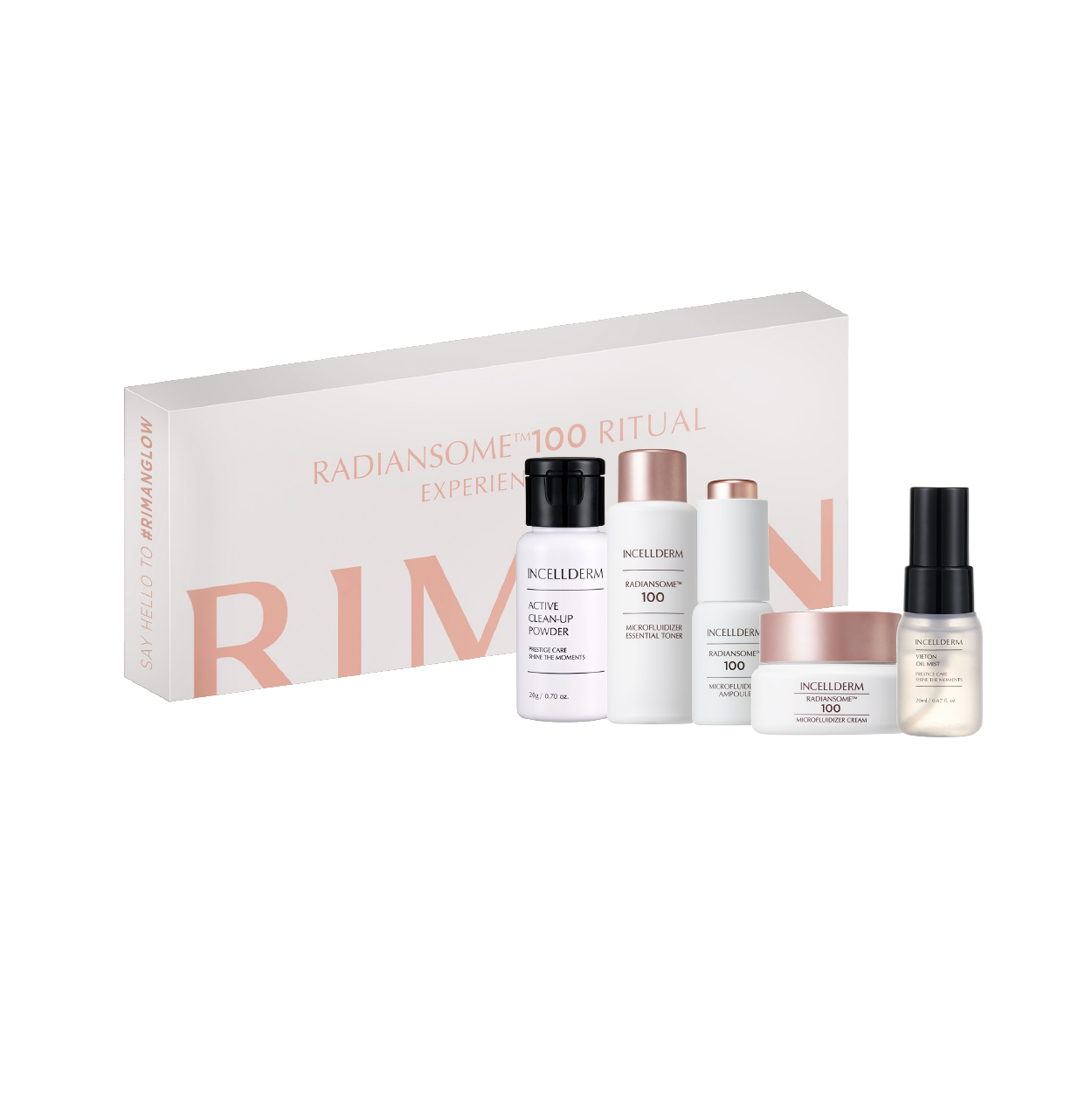
Quick answer: Malassezia dermatitis is a yeast infection causing skin inflammation. Learn what triggers it, how dermatologists treat it, and which skincare steps help.
Malassezia dermatitis is a yeast infection caused by a fungus called Malassezia pachydermatis that triggers inflammation and irritation on your skin. It's also known as fungal acne or Pityrosporum folliculitis, and it happens when yeast numbers spike on your skin, usually because an underlying skin condition has created the right environment for it to grow.
If you're dealing with stubborn breakouts, itchy patches, or red bumps that don't respond to standard acne treatments, malassezia dermatitis might be the culprit. The good news is that understanding what causes it and taking the right skincare approach can make a real difference in how your skin feels and looks.
Related: Best Skincare for Malassezia Overgrowth
Related: Best Malassezia Shampoo 2026: Top 5 Ranked
What Causes Malassezia Dermatitis?
Malassezia dermatitis doesn't just appear out of nowhere. It's almost always a secondary problem, meaning it shows up because of something else going on with your skin first.
The most common triggers are allergic conditions and atopic dermatitis. When your skin barrier is compromised or your skin is already inflamed, the yeast that naturally lives on your skin can overgrow and cause more problems. Think of it like this: your skin's defenses are down, and the yeast takes advantage.
Other factors that can tip the balance include excess sebum (oil), humidity, sweat, and using products that don't match your skin's needs. Even tight clothing or poor air circulation in certain areas of your body can create conditions where malassezia thrives.
How Is Malassezia Dermatitis Diagnosed?
If you think you have malassezia dermatitis, you need to see a dermatologist. They'll examine your skin and may take samples to confirm it's actually a yeast issue and not regular acne or something else.
A proper diagnosis matters because the treatment approach is completely different from standard acne care. Your dermatologist can identify what's triggering the yeast overgrowth on your skin and recommend prescription options if needed.
Treatment Options Your Dermatologist May Recommend
Once you have a confirmed diagnosis, your dermatologist will work with you on a treatment plan. The approach usually involves addressing the underlying skin condition that allowed the yeast to overgrow in the first place.
Treatment may include prescription antifungal medications, which your dermatologist will prescribe based on the severity of your condition and your specific skin type. They might recommend topical treatments, oral medications, or a combination depending on what's best for you.
The key is that managing malassezia dermatitis requires treating the root cause, not just the symptoms. If you have an underlying allergic condition or atopic dermatitis, getting that under control is essential.
Skincare Steps That Support Healthy Skin
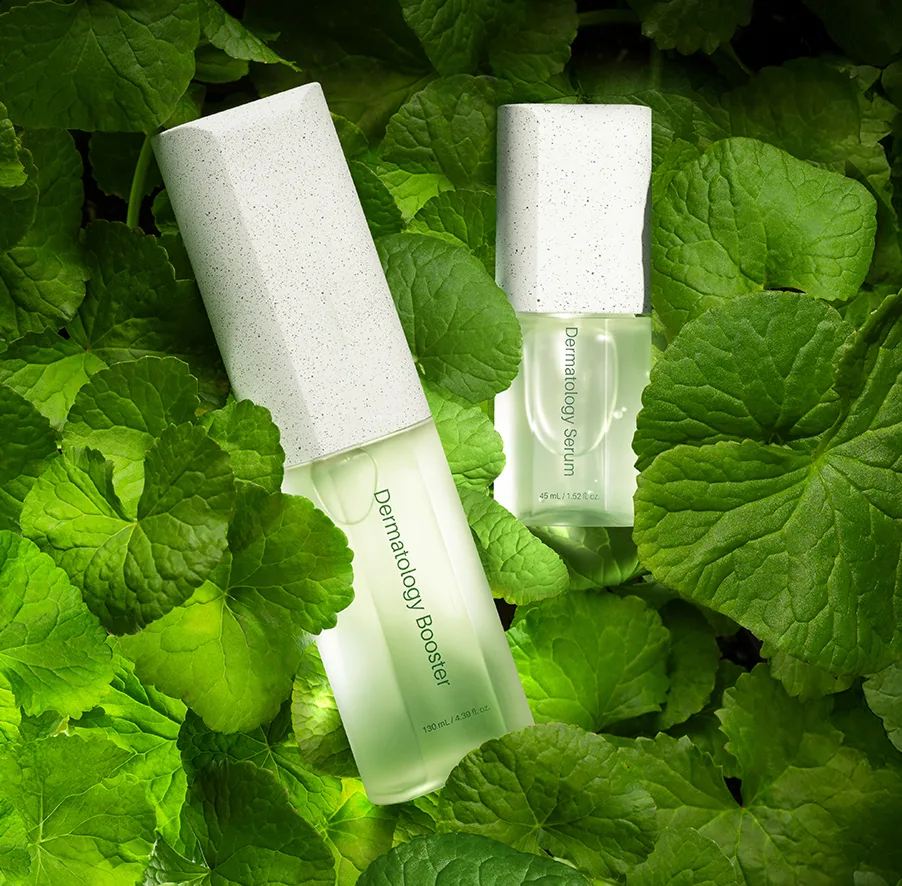
While prescription treatments handle the infection itself, your skincare routine plays a supporting role in keeping your skin healthy and preventing flare-ups.
Start by choosing gentle, lightweight products that won't aggravate already sensitive skin. Look for moisturizers and cleansers designed for reactive or compromised skin barriers. You want products that soothe and hydrate without piling on heavy ingredients or unnecessary actives.
Avoid products with high alcohol content, strong fragrances, or lots of oils if your skin is actively flaring. Instead, focus on ingredients known for their calming, soothing properties. This is the time to keep your routine simple and purposeful.
Sun protection is non-negotiable, even when your skin is irritated. UV exposure can worsen inflammation and make your skin more vulnerable to secondary issues. Choose a sunscreen that's gentle enough for sensitive skin.
When applying any skincare product to affected areas, consider your application method. If your skin is very reactive, sprays or lightweight formulas might feel more comfortable than heavier creams or oils that could trap heat and moisture on the skin.
Building a Routine That Works for Malassezia-Prone Skin
Your daily routine should be minimal and focused. Think of it as giving your skin the bare minimum to stay clean, protected, and hydrated.
Related: Malassezia Folliculitis Treatment: What Works & Why
Morning: Gentle cleanser, lightweight moisturizer, and broad-spectrum sunscreen. That's it. No actives, no multiple serums, no heavy oils.
Ready for clear, youthful skin?
Shop Korean SkincareEvening: Gentle cleanser and soothing moisturizer. If your dermatologist prescribes a treatment, apply it as directed before your moisturizer.
Once your skin has healed and you've got the yeast overgrowth under control, you can gradually reintroduce other products, but move slowly and watch for any signs of irritation.
If you're looking for skincare formulated with natural ingredients that support a balanced, healthy complexion, explore products designed to be gentle on compromised skin while delivering real hydration and soothing benefits.
Ingredients to Look for (and Avoid)
When you're dealing with malassezia dermatitis, certain ingredients can help your skin feel better while you're recovering. Look for soothing botanicals, hydrating humectants, and calming compounds that strengthen your skin barrier.
Ingredients to avoid include heavy silicones, occlusive oils, fragrance, and anything with a high chance of irritation. You're not trying to transform your skin right now; you're trying to support it while it heals.
Keep your focus on moisturizers and serums that are lightweight, fast-absorbing, and designed for sensitive skin. This is not the time for aggressive exfoliants, vitamin C serums, retinoids, or any other active ingredients.
Prevention and Long-Term Management
Once you've cleared the malassezia dermatitis, the real work is preventing it from coming back. This means staying on top of whatever underlying condition triggered it in the first place.
Continue working with your dermatologist to manage your allergies or atopic dermatitis. Keep your skincare routine simple and consistent. Avoid products that make your skin feel hot, itchy, or uncomfortable.
Pay attention to environmental factors too. If sweat and humidity make your skin worse, change clothes after workouts and keep affected areas dry. If certain fabrics irritate your skin, switch to breathable options.
Most importantly, don't wait for a flare-up to get worse before reaching out to your dermatologist. Catching problems early makes them easier to manage.
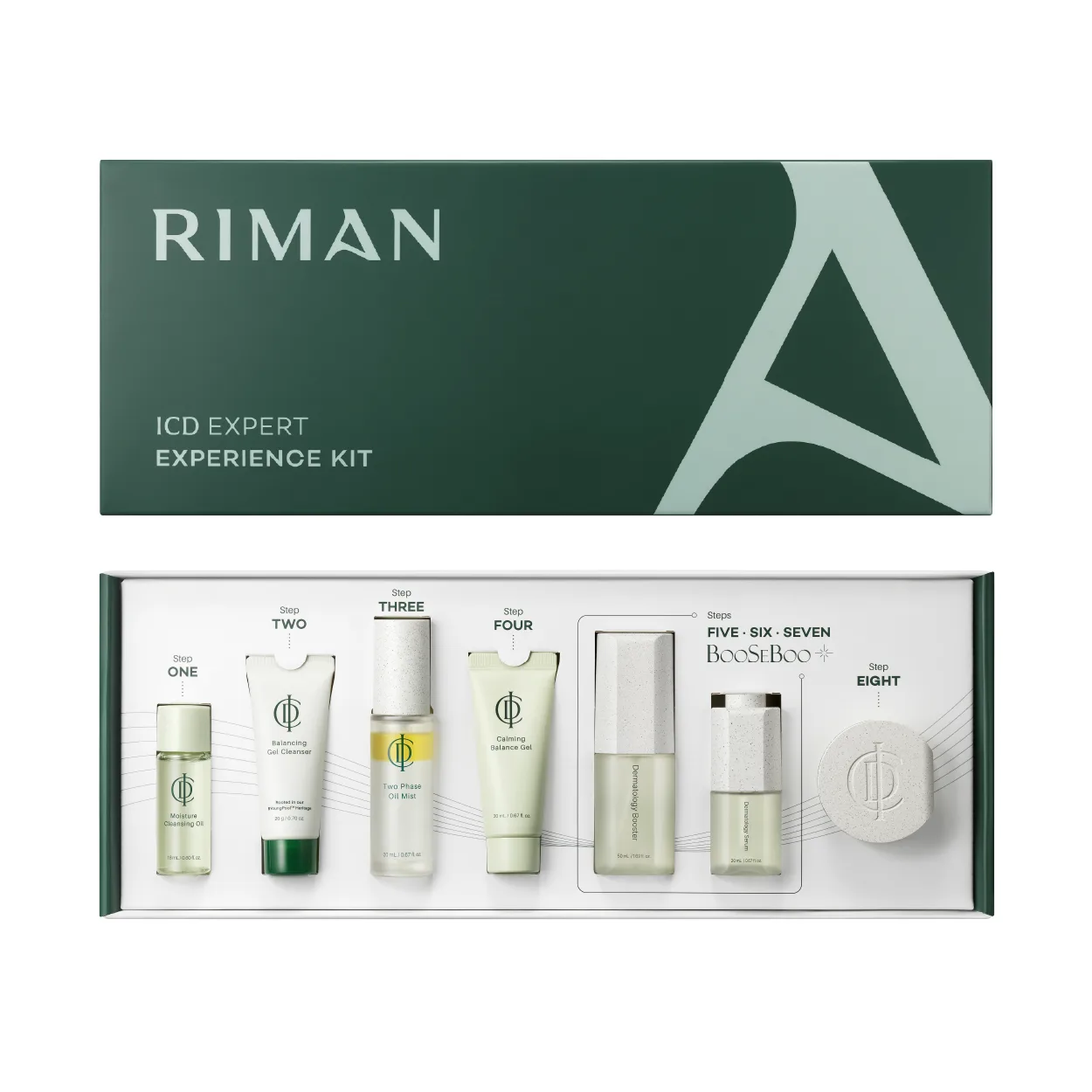
Learning to work with your skin's needs and choosing products that truly support its health is the foundation of long-term success. Incellderm products are formulated with natural ingredients and designed to be gentle enough for reactive skin while still delivering real results, making them a solid choice as you rebuild your skincare routine.
When to See a Dermatologist Again
If your skin doesn't improve after a few weeks of treatment, if the irritation spreads, or if you develop new symptoms, schedule a follow-up appointment. Malassezia dermatitis can sometimes persist or recur, and your dermatologist can adjust your treatment plan as needed.
Don't try to self-treat or switch products on your own if things aren't getting better. Your dermatologist has the tools to figure out what's really going on and get you back on track.
Is malassezia dermatitis the same as fungal acne?
Yes, malassezia dermatitis is commonly referred to as fungal acne. They're the same condition, just different names for it. The term "fungal acne" is more commonly used in skincare conversations, while dermatologists might say malassezia dermatitis or Pityrosporum folliculitis.
Can I treat malassezia dermatitis with over-the-counter products?
Over-the-counter products can support your skin and help prevent flare-ups, but they can't treat the actual infection. You need a dermatologist's diagnosis and typically a prescription treatment to address the yeast overgrowth itself. OTC skincare is a supporting player, not the main solution.
How long does it take to clear malassezia dermatitis?
That depends on how severe it is and how well the underlying condition is managed. Some people see improvement in a few weeks, while others need several months of consistent treatment. Follow your dermatologist's guidance and be patient with the process.
Related: Malassezia Globosa: What It Is & How to Manage It
Related: Malassezia Folliculitis: What It Is & How to Manage It
Can malassezia dermatitis come back?
Yes, it can recur if the underlying condition flares up or if your skin's barrier is compromised again. That's why long-term management of whatever triggered it in the first place is so important. Staying consistent with your skincare routine and managing your skin health proactively helps reduce your risk of another flare-up.
Ready for clear, youthful skin?
Shop Korean Skincare


