Quick answer: Malassezia folliculitis is fungal acne caused by yeast overgrowth. Learn what triggers it, how to spot it, and skincare habits that help manage it.
Malassezia folliculitis is a skin condition that shows up as small, itchy bumps, usually on your upper back and chest. It happens when a naturally occurring yeast called Malassezia grows too much on your skin. A lot of people mistake it for regular acne, but it's actually caused by yeast, not bacteria, which is why it's sometimes called fungal acne.
If you think you have malassezia folliculitis, you need to see a dermatologist for a proper diagnosis and treatment plan. They can confirm what's going on and recommend prescription antifungal treatments if needed. In the meantime, there are everyday habits and skincare choices that can help you manage it and avoid making it worse.
Understanding Malassezia Folliculitis
Your skin naturally hosts Malassezia yeast. It's just part of your skin's ecosystem. But when conditions change, the yeast can overgrow and cause inflammation. This is what leads to those small, uniform bumps that itch and feel uncomfortable.
The bumps usually show up on areas where moisture builds up easily, like your upper back, chest, or shoulders. Some people also get it on their face, neck, or other areas. It's not contagious, and it's not because your skin is dirty. It's just an imbalance in your skin's natural flora.
One thing that makes malassezia folliculitis tricky is that it can look like regular acne. But it responds differently to treatment. That's why getting a professional diagnosis is so important before you start any routine.
What Triggers Malassezia Overgrowth
Several things can tip the balance and cause Malassezia to multiply. Humidity and sweat are huge triggers. If you live in a hot, humid climate or sweat a lot during workouts, you're creating an environment where yeast thrives.
Tight, non-breathable clothing traps moisture against your skin. So does wearing the same sweaty gym clothes for hours after a workout. Occlusive skincare products and heavy sunscreens can also feed the problem because they block air circulation and trap sweat.
Other risk factors include conditions that naturally alter your skin's normal flora. That's why some people are just more prone to it than others. If you've dealt with malassezia folliculitis before, you know how frustrating it can be.
Skincare Habits That Help
The foundation of managing malassezia folliculitis is keeping your skin clean and dry. Wash thoroughly at least once a day, especially after sweating. Use lukewarm water, not hot water, since heat can irritate inflamed skin further.
After you wash, dry completely. Don't just pat; make sure moisture isn't sitting on your skin. This is especially important on areas like your back and chest where the condition often appears.
Next, avoid greasy skincare products and heavy sunscreens on affected areas. Look for lightweight, breathable formulas that won't trap moisture. This is where your product choices really matter. If you're trying to figure out what Incellderm offers for sensitive skin, their range includes lightweight serums and hydrating solutions designed to be gentle without being heavy or occlusive.
Ready for clear, youthful skin?
Shop Korean SkincareWhen you're shopping for skincare, check ingredient lists. Avoid products with oils, silicones, or thick emollients on areas affected by malassezia. Lightweight, hydrating formulas are your friend here.
Clothing and Lifestyle Adjustments

What you wear matters more than you might think. Loose-fitting, breathable fabrics like cotton or moisture-wicking blends let air circulate around your skin. This keeps sweat from sitting on your body and feeding the yeast.
Change out of sweaty clothes immediately after exercise. Don't sit around in damp gym clothes all day. Wash your workout gear regularly to avoid reintroducing bacteria and yeast.
If you sleep on areas affected by malassezia, consider changing your pillowcase more frequently. Sweat and bacteria build up there over time. Fresh pillowcases reduce the chance of re-exposure.
Keep your bedroom cool and well-ventilated. Humidity in your sleeping environment can worsen the condition overnight. If you live somewhere humid, a dehumidifier or air conditioning can genuinely help.
When to See a Dermatologist
If you notice small, itchy bumps that don't respond to your regular skincare routine, don't wait. A dermatologist can take a sample and confirm whether it's actually malassezia folliculitis or something else entirely.
Once you have a diagnosis, your dermatologist can recommend prescription-strength antifungal treatments. Topical options like ketoconazole or zinc pyrithione are effective for many people. For stubborn or widespread cases, systemic treatments might be recommended.
Don't try to self-diagnose or treat this on your own. Yeast conditions need specific antifungal approaches, not the same products you'd use for bacterial acne. Getting professional guidance makes all the difference.
Supporting Your Skin's Health
Beyond managing malassezia folliculitis specifically, you want to keep your overall skin health strong. This means maintaining a skincare routine that supports your skin barrier and keeps your microbiome balanced.
A gentle cleanser, lightweight hydration, and sun protection are the basics. If you're looking to explore Incellderm products that fit a routine for sensitive or yeast-prone skin, their curated selection focuses on natural, gentle formulations designed to support skin health without heavy or pore-clogging ingredients.
Think of your skincare as supporting your skin's natural defenses rather than fighting against it. The goal is balance, not stripping or over-treating.
Building a Routine That Works
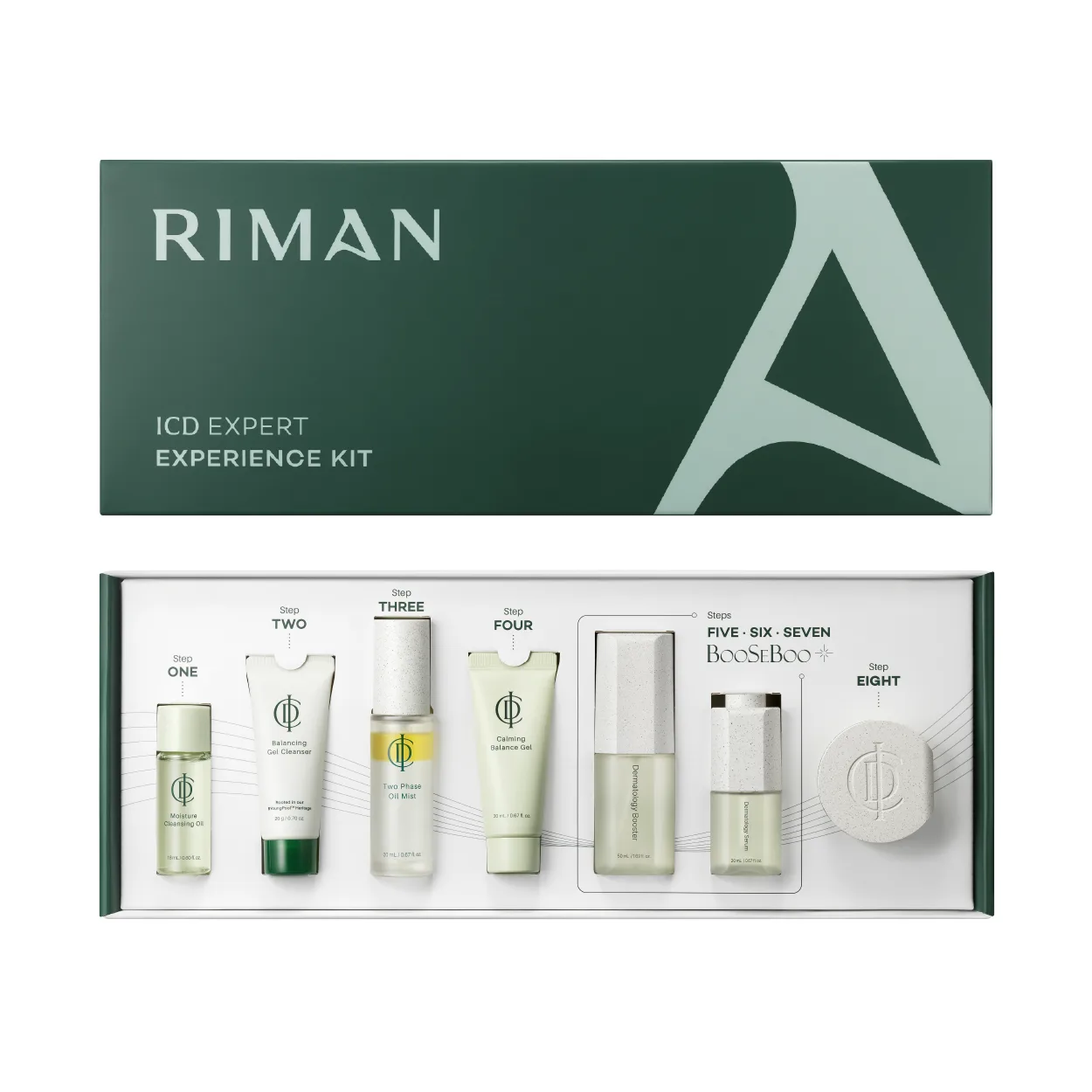
A good routine for malassezia-prone skin is simple and focused. Morning: gentle cleanser, lightweight hydrating serum, and SPF. Evening: gentle cleanser and a lightweight moisturizer if needed.
Avoid layering multiple products. More is not better when you're dealing with yeast overgrowth. Stick to essentials and avoid anything that feels heavy or leaves residue on your skin.
If your skin feels tight or dry from your treatment plan, a lightweight hydrating serum can help without feeding the yeast. Look for minimal ingredients and nothing occlusive.
Give your routine time to work. Changes don't happen overnight, especially once you start prescription treatment from your dermatologist. Stick with it for at least a few weeks before deciding if something is working.
Long-Term Management and Prevention
Even after malassezia folliculitis clears up, staying vigilant helps prevent it from coming back. Keep up the habits that work: breathable clothing, prompt wardrobe changes after sweating, regular cleansing, and staying dry.
If you're prone to it, avoid using heavy products or occlusive sunscreens year-round, even when you don't have active bumps. Think prevention as part of your everyday routine.
Keep monitoring your skin. If you notice bumps starting again, jump back on your prevention habits before it gets worse. Early action is always easier than dealing with a full flare-up.
Remember that malassezia folliculitis is manageable. With the right diagnosis, treatment from your dermatologist, and smart skincare choices, you can keep it under control. The key is consistency and not giving up too early. Your skin will thank you for taking the time to understand what it needs.
Is malassezia folliculitis contagious?
No, malassezia folliculitis is not contagious. Malassezia yeast is already on everyone's skin. The condition happens because of an imbalance in your own skin, not because you caught something from someone else. You can't spread it to other people, and other people can't give it to you.
Can regular acne treatments help with malassezia folliculitis?
Not really. Regular acne products target bacteria, but malassezia folliculitis is caused by yeast. Using antibacterial products meant for acne won't help and might even make things worse by altering your skin's flora further. That's why a dermatologist diagnosis is so important. Your doctor can recommend antifungal treatments specifically designed to address yeast overgrowth.
How long does it take to see improvement?
It depends on how severe your case is and what treatment your dermatologist recommends. Most people start seeing improvement within a few weeks of consistent treatment and lifestyle changes. Some cases take longer. The important thing is to follow your dermatologist's guidance and be patient. Don't jump between treatments too quickly.
Can I prevent malassezia folliculitis from coming back?
Yes, prevention is absolutely possible. Stick with the habits that helped: wearing breathable clothing, changing out of sweaty clothes quickly, keeping your skin clean and dry, and avoiding heavy or occlusive skincare products. If you know you're prone to it, think of these habits as permanent parts of your routine, not temporary fixes. Being proactive is way easier than dealing with flare-ups.
Ready for clear, youthful skin?
Shop Korean Skincare


