
Quick answer: Find the right makeup for acne-prone skin with lightweight, noncomedogenic formulas. Learn how to apply makeup without triggering breakouts.
The biggest mistake people with acne make is thinking they can't wear makeup. Wrong. You absolutely can—you just need to be smarter about the products you choose and how you apply them. Makeup for acne-prone skin isn't about covering everything up with heavy foundation. It's about using lightweight, oil-free formulas that won't clog your pores or make breakouts worse. The right approach can actually let your skin breathe while giving you the coverage you want.
Here's the truth: most acne-prone skin flares up because makeup sits on the surface and traps bacteria, oil, and dead skin cells. When you pick formulas designed specifically for breakout-prone skin, you're using products that let your skin stay clear while you look polished.
Choose Lightweight, Oil-Free Foundations
Your foundation is the foundation (pun intended) of acne-friendly makeup. You need something that feels almost weightless on your skin and contains zero oil. Oil-based or heavy formulations will absolutely make your acne worse.
Look for products labeled "oil-free," "mattifying," or "for acne-prone skin." Liquid and serum-based foundations are your best friends here because they're thin and won't suffocate your pores. These formulas also blend seamlessly, which means you're not tempted to pile on extra layers to get coverage.
If liquid feels too slippery for your skin type, powder foundations can work too—but only if they're formulated without pore-clogging ingredients. The key is finding a powder that feels dry and breathable, not chalky or heavy.
Go Noncomedogenic Every Single Time
Noncomedogenic means the product won't clog your pores. This is non-negotiable if you have acne-prone skin. Check the label before you buy anything—foundations, concealers, powders, all of it should say "noncomedogenic."
When a product is noncomedogenic, it's been tested to make sure it won't trigger new breakouts or make existing ones worse. It's one of the easiest ways to keep your skin clear while still wearing makeup.
Use Color-Correcting Cream as a Lighter Alternative
Here's a game-changer: you don't always need full-coverage foundation. Color-correcting creams are thinner, more targeted, and let way more of your natural skin show through. They're designed to neutralize specific issues like redness or dark spots without heavy coverage.
A color-correcting cream works great if you have just a few problem areas instead of widespread breakouts. Apply it only where you need it, and you've just reduced the amount of product sitting on your skin. Less product equals less irritation and a lower chance of new breakouts.
This approach pairs perfectly with the Incellderm skincare products you use underneath. When your base is clean and calm, makeup sits better and behaves better on your skin.
Ready for radiant, youthful-looking skin?
Shop Korean Skincare
Apply Color-Correcting Concealer Over Active Acne
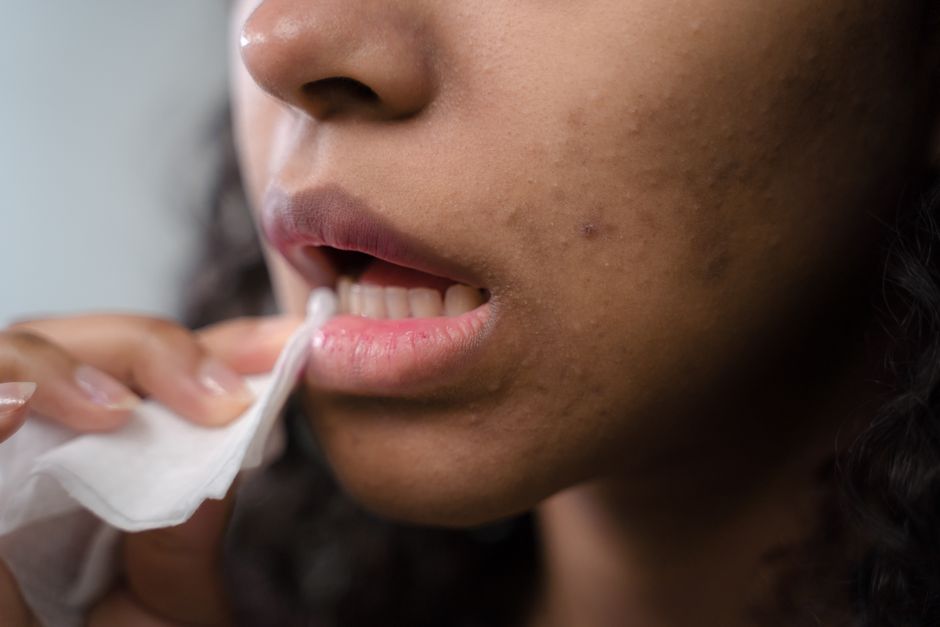
Red or dark acne spots are crying out for concealment, but heavy coverage can make them angrier. A color-correcting concealer is your answer. These are lighter than full concealers and use color theory to neutralize discoloration.
For red acne marks, use a green-tinted corrector to cancel out the redness. For darker marks or hyperpigmentation, use a peach or orange corrector. Apply it gently with your fingertip or a damp beauty sponge—avoid rubbing or dragging, which can irritate active breakouts.
Layer a skin-toned concealer on top if you need extra coverage. This two-step approach gives you the benefit of concealment without piling on product in one thick layer.
Keep Your Routine Simple
More products mean more chances to irritate your acne. Stick to the essentials: foundation or corrector, concealer, and maybe a light powder. That's it.
Skip heavy contour, multiple eyeshadows, and thick setting sprays. A simple routine is less likely to trigger breakouts and is actually faster to do in the morning. Win-win.
Prep Your Skin the Right Way
Makeup sits on top of whatever is underneath it. If your skin is oily, dehydrated, or irritated, your makeup will look and perform worse. Start with a clean, balanced base every time.
Wash your face before applying any makeup using a gentle cleanser. After cleansing, use a lightweight, oil-free moisturizer to balance your skin. Your makeup will go on smoother, last longer, and be less likely to cause breakouts.
A good skincare routine is honestly more important than your makeup routine when you have acne-prone skin. When your skin barrier is strong and hydrated, makeup sits better and irritates less.
Remove Everything Thoroughly at Night

This is where most people slip up. Leaving makeup on overnight is one of the fastest ways to trigger a breakout. Your skin needs to breathe and repair itself while you sleep, and you can't do that with a layer of foundation and concealer on.
Start with micellar water or a gentle makeup remover as your first cleansing step. This dissolves makeup without harsh scrubbing. Follow up with your regular cleanser to make sure all traces of makeup, sunscreen, and grime are gone.
Your nighttime skincare routine—cleansing, toning, treating, and moisturizing—is when your skin does its best repair work. Don't skip this step or rush through it. The cleaner you get your skin at night, the fewer breakouts you'll have tomorrow.
When to Skip Makeup Altogether
Real talk: some days your skin just needs a break. If you're having a bad breakout or your skin barrier feels compromised, consider skipping makeup for a day or two. Your skin will thank you.
There's no shame in showing up makeup-free when your acne is active. Your skin heals faster when it's not covered, and you'll probably see clearer skin faster. Plus, you're not adding any risk of new breakouts by keeping makeup off.
If you're serious about managing acne-prone skin, explore Incellderm for ideas on building a complete skincare routine alongside your makeup habits. The skincare you use underneath is just as important as the makeup you wear over top.
Related: Best Makeup for Acne-Prone Skin: A Complete Guide
Related: Best Sunscreen for Oily Acne-Prone Skin: 2026 Guide
Related: Acne-Prone Skin: The Ultimate Guide to Products & YouTube Tips
The Bottom Line on Makeup for Acne-Prone Skin
Makeup for acne-prone skin is 100% possible when you follow these rules: use lightweight, oil-free, noncomedogenic formulas; keep your routine simple; prep your skin properly; and always remove everything at night. Your acne doesn't have to stop you from wearing makeup—you just need to be intentional about what you choose.
Start by evaluating your current makeup products. Are they all labeled noncomedogenic? Are they oil-free? If not, it might be time to swap them out for formulas made for acne-prone skin. You'll notice the difference in how your skin looks and feels within a week or two.
FAQs: Makeup for Acne-Prone Skin
Can I wear makeup if I have active acne?
Yes, but use caution. Apply makeup only to areas that aren't actively inflamed or oozing. Use noncomedogenic, oil-free products and remove everything thoroughly before bed. If your acne is severe, consider taking a break from makeup for a few days to let your skin heal faster.
What's the best foundation for acne-prone skin?
Liquid or serum-based foundations labeled "oil-free" and "noncomedogenic" work best. These are lightweight enough to not clog pores while still giving you even coverage. Avoid heavy, full-coverage foundations that can trap bacteria and oil on your skin.
How do I cover acne scars with makeup?
Use a color-correcting concealer first to neutralize any redness or discoloration, then layer a skin-toned concealer on top for coverage. Apply gently and avoid rubbing, which can irritate sensitive scar tissue. Set lightly with powder if needed.
Does makeup cause acne or make it worse?
Makeup itself doesn't cause acne, but certain formulas can make breakouts worse. Oil-based products, heavy foundations, and comedogenic ingredients can trap bacteria and clog pores. Noncomedogenic, oil-free makeup designed for acne-prone skin won't make your breakouts worse.
Ready for radiant, youthful-looking skin?
Shop Korean Skincare


