
Quick answer: See what hyperpigmentation looks like across skin types. Learn the causes, treatment options, and prevention tips to even out your skin tone.
Hyperpigmentation is when patches or spots on your skin become darker than the rest of your complexion. It's one of the most common skin concerns, and it shows up differently depending on your skin tone, but it's definitely treatable.
If you've searched for images of hyperpigmentation, you probably recognize it when you see it. Dark spots on your cheeks, forehead, or other areas. Uneven skin tone that makes your complexion look patchy or dull. The good news? This isn't permanent, and there are real ways to fade those spots and prevent new ones from forming.
Let's break down what hyperpigmentation actually looks like, why it happens, and what you can do about it.
Related: Melasma vs Hyperpigmentation: What's The Difference?
What Hyperpigmentation Actually Looks Like
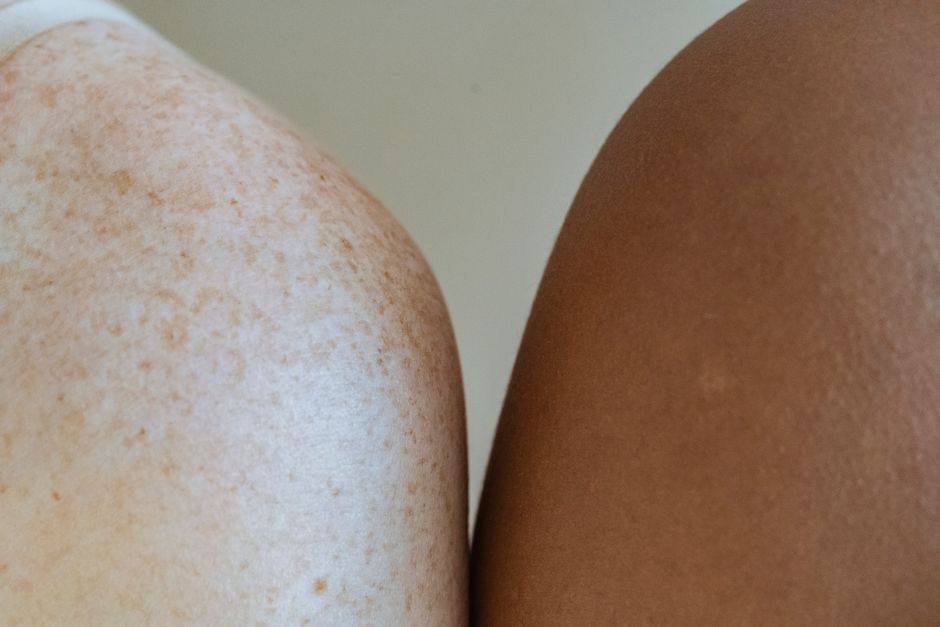
Hyperpigmentation shows up as darker areas of skin, usually concentrated in spots or patches. You'll typically see it on your face, especially on your cheeks, nose, forehead, or around your mouth. But it can appear anywhere on your body that gets sun exposure.
The spots can be small and subtle, or larger and more noticeable. They might look like freckles, age spots, or general uneven tone across your whole face. The color ranges from light brown to deep brown, depending on your natural skin tone.
Here's what makes hyperpigmentation tricky: it appears on all skin types. On darker skin, hyperpigmentation can actually look darker and more pronounced than on lighter skin. On lighter skin, it might appear as brown patches. Either way, it's the same issue underneath, just with different visual contrast.
Why Hyperpigmentation Happens
The number one cause is sun exposure. When your skin gets hit with UV rays, it triggers your body to produce more melanin as a protective response. Over time, this melanin clusters in certain areas instead of distributing evenly, creating those dark spots.
But sun isn't the only culprit. Hormonal changes, inflammation, post-acne marks, and certain medications can all trigger hyperpigmentation. If you've ever had a pimple that left a dark mark behind, that's post-inflammatory hyperpigmentation. It's your skin's way of healing, but it takes time to fade on its own.
The takeaway? Understanding the cause matters because it affects how you treat it. But whether your spots came from the sun or from hormones, the solutions are pretty similar.
Related: Rosacea vs Eczema: How to Tell Them Apart & Treat
Proven Ingredients That Actually Work
If you're ready to tackle your hyperpigmentation, certain ingredients are backed by real results.
Niacinamide is a powerhouse for evening out skin tone. It works by regulating melanin production and strengthening your skin barrier, which helps prevent new spots from forming.
Kojic acid is another brightening agent that specifically targets melanin. It gently lightens dark spots over time without irritating your skin.
Retinoids (vitamin A derivatives) are your heavy hitters. They speed up cell turnover, which means your skin sheds darker, pigmented cells faster and reveals brighter skin underneath. They're especially effective for hyperpigmentation, but they do require consistent use to see results.
Korean skincare has long understood the power of natural brightening agents too. Ingredients like Jeju lava water and botanical extracts have been used for centuries to support even, radiant skin. When you're shopping for hyperpigmentation treatments, look for formulas that combine these proven ingredients with natural botanicals for a gentler, more sustainable approach.
Your Game Plan for Treating Hyperpigmentation
Here's how to actually address those dark spots:
- Start with a gentle brightening serum or ampoule that contains niacinamide or kojic acid. Use it twice daily, morning and night. Consistency matters here more than anything else.
- Add a retinoid product slowly into your routine, maybe 2-3 times per week to start. Let your skin adapt before using it daily. This is where you'll see the most dramatic fading over time.
- Never skip SPF during the day, even on cloudy days. This is non-negotiable. Sun exposure will only make hyperpigmentation worse and undo all your progress.
- Be patient. Hyperpigmentation didn't show up overnight, and it won't disappear overnight either. Most people see noticeable improvement in 6-8 weeks of consistent treatment.
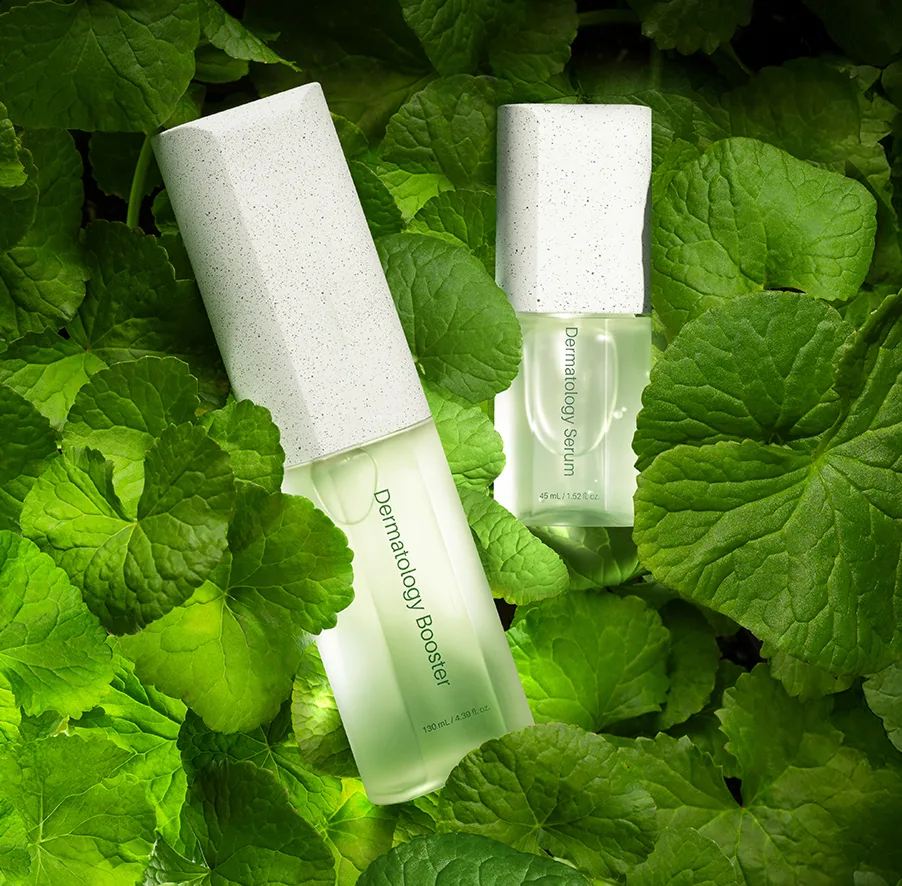
If you're looking for serums and toners designed for uneven skin tone, you'll want products formulated specifically for hyperpigmentation. The key is choosing brands that use natural, research-backed ingredients rather than harsh chemicals.
Should You Add Supplements to Your Routine?
Here's something most people don't think about: what you put inside your body affects your skin just as much as what you put on it.
Certain oral supplements can support your skin from within and help prevent future hyperpigmentation. Antioxidants, collagen boosters, and vitamins that protect against UV damage all play a role in keeping your complexion clear and even.
This isn't a replacement for topical treatments, but it's a smart add-on if you're serious about addressing hyperpigmentation at every level. Think of it as insurance for your skin's health.
Prevention Is Just as Important as Treatment
Once you've faded those spots, you obviously don't want new ones forming. Prevention starts with sun protection. SPF 30 or higher, every single day, even when you're just inside near windows. Reapply every two hours if you're spending time outside.
Wear hats and sunglasses when possible. Avoid picking at acne or scabs, since that can trigger post-inflammatory hyperpigmentation. Use gentle products that don't inflame your skin, because inflammation is a major trigger for dark spots.
Think of hyperpigmentation prevention as a lifestyle choice, not a chore. You're building habits that support long-term skin health, not just chasing quick fixes.
Building Your Complete Hyperpigmentation Routine

A solid routine doesn't need to be complicated. Here's what actually works:
- Gentle cleanser morning and night
- Brightening toner or essence
- Vitamin C or niacinamide serum
- Retinoid product (at night, 2-3x per week to start)
- Moisturizer to keep your barrier healthy
- Daily SPF (non-negotiable)
- Optional: brightening ampoule for an extra boost
You don't need every product out there. You just need the right ones working together. If you're not sure where to start, Incellderm offers a curated selection of Korean skincare products specifically formulated for uneven skin tone. The brand focuses on natural, chemical-free solutions that actually deliver results without harsh ingredients.
Ready for clear, youthful skin?
Shop Korean SkincareRelated: Best Chemical Peel for Hyperpigmentation: Science-Backed Solutions
What About Stubborn, Resistant Spots?
Sometimes you treat hyperpigmentation exactly right, and certain spots still stick around. This is normal. Older, more established hyperpigmentation can take longer to fade.
If you've been consistent for 3 months and haven't seen the progress you want, it might be time to level up. A stronger retinoid formula, professional treatments, or combining multiple brightening ingredients can help. But don't give up on your routine too early. Patience beats panic every time.
The consistency of your routine matters infinitely more than the price tag of your products. A person using affordable, well-formulated products every single day will beat someone using expensive products sporadically.
Real Talk: Managing Expectations
Hyperpigmentation is treatable, but it's not always instantly erasable. Some spots fade completely. Some fade significantly but leave a slight trace. The goal is to get your complexion as even as possible while preventing new spots from forming.
Your skin's natural color, your genetic tendency toward hyperpigmentation, and how much sun exposure you've had all factor into how dramatic your results will be. But almost everyone sees meaningful improvement with the right approach and consistent effort.
The best time to start treating hyperpigmentation was six months ago. The second best time is right now.
Can hyperpigmentation go away on its own?
Some hyperpigmentation fades naturally over time, especially if it's from post-acne or temporary inflammation. But spots caused by sun exposure or hormonal changes usually don't disappear without treatment. That's why being proactive with brightening ingredients and sun protection gives you way better results than just waiting.
Is hyperpigmentation permanent?
No. Hyperpigmentation is absolutely treatable with the right ingredients and consistency. Retinoids, niacinamide, and kojic acid all work to lighten dark spots over time. The spots might take weeks or months to fade, but they will fade with proper care.
Can I prevent hyperpigmentation if I have darker skin?
Yes, absolutely. Hyperpigmentation shows up on all skin types, and prevention works the same way across the board: daily SPF, gentle skincare, avoiding inflammation, and addressing spots early before they deepen. If anything, people with darker skin tones should be extra vigilant about sun protection since hyperpigmentation can be more visible on their complexion.
How long does it take to see results from hyperpigmentation treatment?
Most people start seeing fading within 4-6 weeks of consistent treatment, with more dramatic results by 8-12 weeks. It depends on how deep the pigmentation is, which ingredients you're using, and how religiously you're applying them. Retinoids typically show the fastest results, but they need consistent use.
Ready for clear, youthful skin?
Shop Korean Skincare


