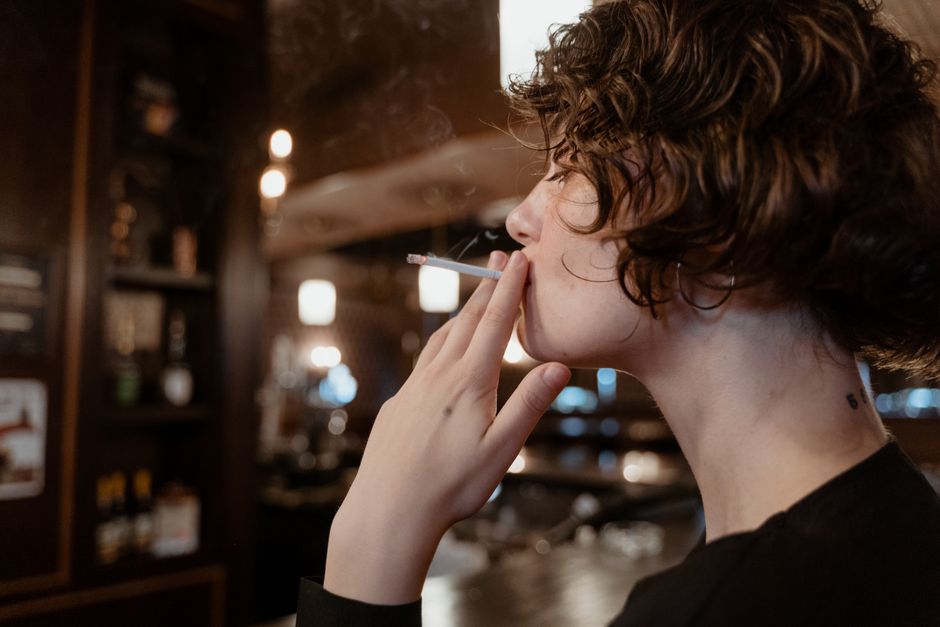
Quick answer: Nicotine doesn't directly cause acne, but it worsens breakouts by damaging your skin barrier and reducing blood flow. Here's what the science says.
Here's the straight answer: nicotine doesn't directly create acne, but it absolutely makes your breakouts worse if you're prone to them. Think of it less like a pimple creator and more like a breakout amplifier. Smoking or vaping disrupts your skin's natural healing process, messes with your hormones, and starves your skin of oxygen and nutrients it desperately needs to stay clear.
How Nicotine Actually Worsens Acne (Not What You Think)
Most people assume smoking clogs pores or creates acne from the outside. That's not really what happens. Instead, nicotine damages your skin from the inside out.
When you inhale nicotine, your blood vessels constrict. This means less blood flow reaches your skin. Less blood flow equals less oxygen and fewer nutrients getting to the cells that are supposed to fight inflammation and repair damage. Your skin essentially becomes weaker at defending itself against breakouts.
At the same time, nicotine dehydrates your skin tissue. Your barrier (the protective layer that keeps moisture in and bacteria out) starts to deteriorate. A damaged barrier is basically an open invitation for acne-causing bacteria to settle in and throw a party.
And it gets worse: Incellderm research on skin health shows that compromised skin barriers take way longer to heal, meaning those breakouts stick around longer and are more likely to leave scars.
The Hormonal Fallout from Nicotine
Your hormones are acne's best friend. Nicotine throws your hormonal balance out the window.
Smoking disrupts your reproductive hormones, thyroid levels, and cortisol (your stress hormone). When cortisol spikes, your body produces more oil in your skin. More oil plus a weakened barrier equals ideal conditions for acne to thrive.
This is especially brutal for people with hormonal acne. If you're already dealing with breakouts around your chin or jawline triggered by your cycle, adding nicotine into the mix is like pouring gasoline on the fire.
What Does the Research Actually Say?
A 2009 clinical study that's been cited over 170 times found a direct correlation between smoking and post-pubertal acne. The research showed that people who smoke experience significantly worse acne severity compared to non-smokers, and breakouts take longer to heal.
The kicker? The study found that clinically non-inflammatory acne worsens substantially with smoking. Even if you have mild acne, nicotine can escalate it to moderate or severe.
Vaping follows the same pattern. While vaping smoke doesn't contain all the toxic chemicals of cigarette smoke, the nicotine still constricts blood vessels and triggers the same cascade of skin damage.
Why Your Skin Stops Healing When You Smoke
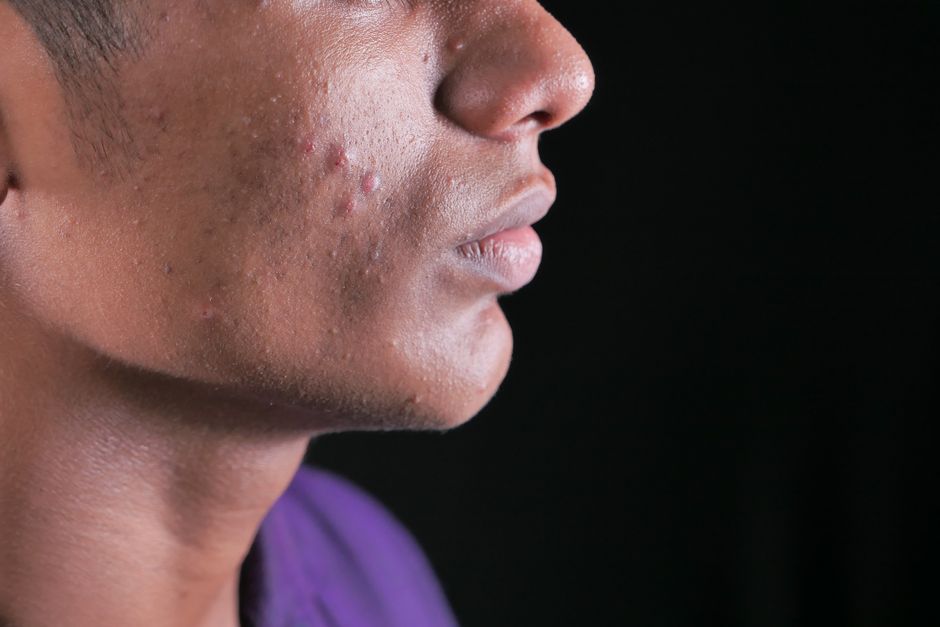
Healing acne requires your skin cells to do repair work. That work demands oxygen, collagen production, and functional immune response. Nicotine sabotages all three.
Reduced circulation means your skin can't mobilize white blood cells fast enough to fight bacteria. Collagen production slows down because the fibroblasts (cells that make collagen) need good blood flow to do their job. Result: scars stick around longer and acne lesions take weeks instead of days to fade.
If you're already treating acne with products like serums or retinoids, nicotine undermines their effectiveness. You could be using the best skincare on the planet, but if nicotine is constantly compromising your skin barrier and circulation, you're fighting an uphill battle.
Breaking the Acne-Nicotine Cycle
The obvious move is to quit smoking or vaping. But if you're working on that (and it's genuinely hard), here's what you can do right now to protect your skin:
- Boost hydration aggressively. A damaged barrier needs serious moisture support. Look for hydrating serums and moisturizers that restore barrier function.
- Use antioxidants. Vitamin C and niacinamide help combat the oxidative stress nicotine creates. They also support collagen production.
- Avoid additional irritants. If you're smoking, skip aggressive actives like high-strength acids or retinoids. Your skin is already compromised; don't push it harder.
- Support your skin from inside out. Hydrate like crazy. Eat foods rich in omega-3s and antioxidants. Consider supplements that support skin health and healing.
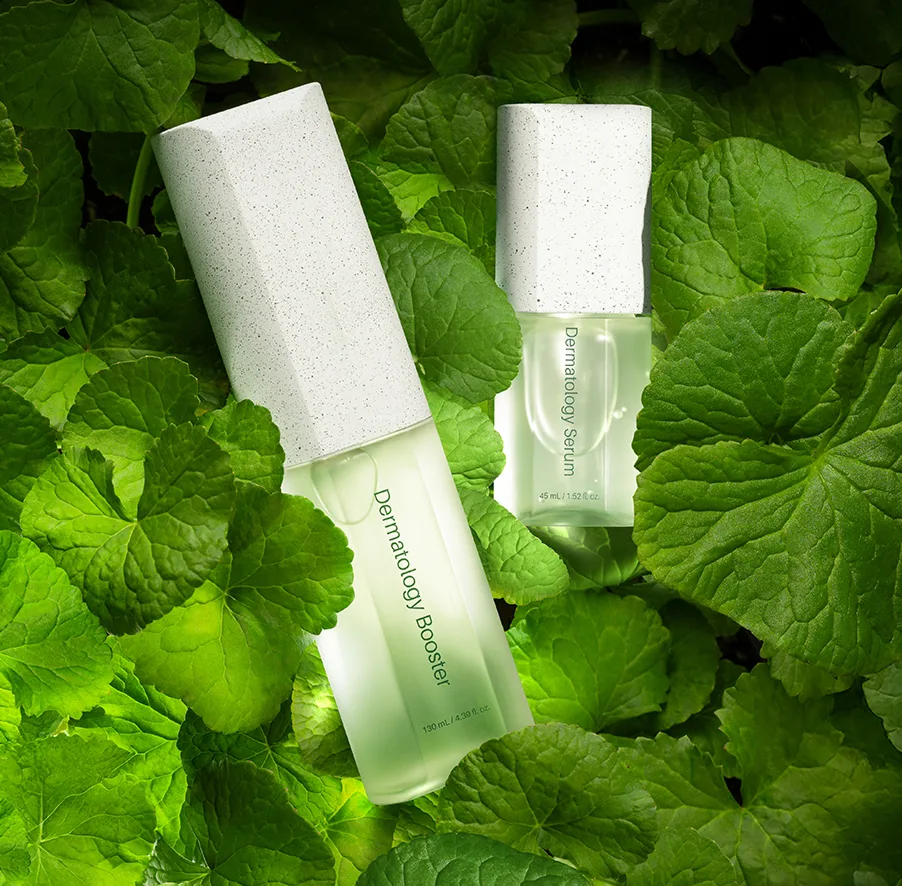
The real game-changer? Switching to a skincare routine specifically designed for barrier repair and cellular health. Incellderm products focus on natural, K-beauty formulations that strengthen your skin's natural defenses and accelerate healing, which is exactly what nicotine-damaged skin needs.
Ready for clear, youthful skin?
Shop Korean SkincareCan You Still Clear Acne If You Smoke?
Yes, but it's genuinely harder. Your timeline will be slower. Your results will be less dramatic. And the psychological frustration of treating acne while actively making it worse is real.
If you're serious about getting clear skin, nicotine has to go off your list. Not eventually. Now. It's one of the few things in acne management where the science is ironclad: nicotine makes acne worse, full stop.
In the meantime, prioritize barrier repair and anti-inflammatory skincare. Your skin is fighting hard enough without the added stress of reduced oxygen and hormonal chaos.
The Bottom Line on Nicotine and Acne
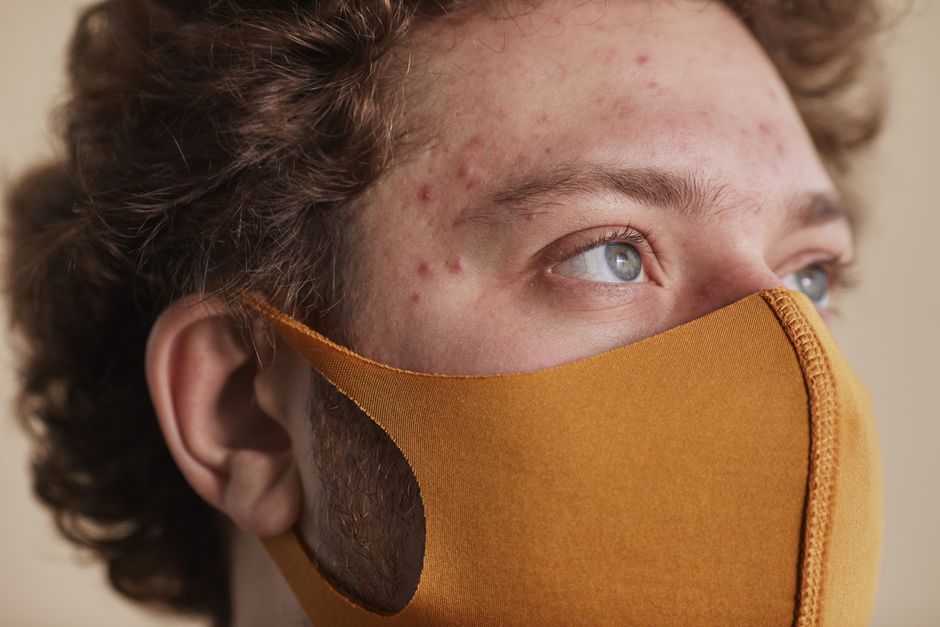
Nicotine is an indirect acne aggravator. It doesn't cause acne from scratch, but it amplifies existing breakouts, prolongs healing, and makes your skin way more vulnerable to scarring. If you're trying to clear your skin while using nicotine, you're essentially working against yourself.
Related: Does Nicotine Cause Acne? The Science Behind Breakouts
Related: Can Vaping Cause Acne? Here's What Science Says
Related: Do Eggs Cause Acne? What Science Actually Says
The good news? Once you quit, your skin's natural healing power comes roaring back. Blood flow improves within weeks. Hormone levels stabilize. Your barrier starts repairing itself. Acne clears faster and more completely.
Until then, be extra intentional with your skincare routine. Choose products that support barrier health, reduce inflammation, and accelerate cellular repair. That's where Incellderm comes in as a trusted partner in getting your skin back on track.
Does vaping cause acne the same way smoking does?
Vaping has similar indirect effects on acne as smoking because nicotine constricts blood vessels regardless of how you inhale it. The nicotine still reduces oxygen delivery and disrupts hormones. However, vaping avoids some of the additional inflammatory compounds in cigarette smoke, so it's marginally less damaging overall. That said, it's still worsening your breakouts if you're prone to acne.
How long does it take for acne to improve after quitting nicotine?
Most people notice improvements within 2-4 weeks. Blood flow improves quickly, and your skin barrier starts healing. However, hormones can take 1-3 months to fully rebalance, especially if you were a heavy smoker. Scars and deeper acne damage obviously take longer to fade. Patience is key, but the trajectory is upward once you quit.
Can nicotine in other forms (patches, gum) also worsen acne?
Yes. Any form of nicotine that enters your system (patches, gum, lozenges) will have the same hormonal and circulatory effects. The mechanism doesn't change based on delivery method. Your skin will still experience reduced blood flow and hormonal disruption.
What skincare ingredients help counteract nicotine damage to skin?
Look for niacinamide (reduces inflammation and supports barrier repair), hyaluronic acid (deep hydration), peptides (collagen support), vitamin C (antioxidant protection), and natural barrier-supporting ingredients. Korean skincare brands like those offered at Incellderm specialize in these restorative formulations using natural ingredients designed to repair skin compromised by environmental stressors.
Ready for clear, youthful skin?
Shop Korean Skincare


