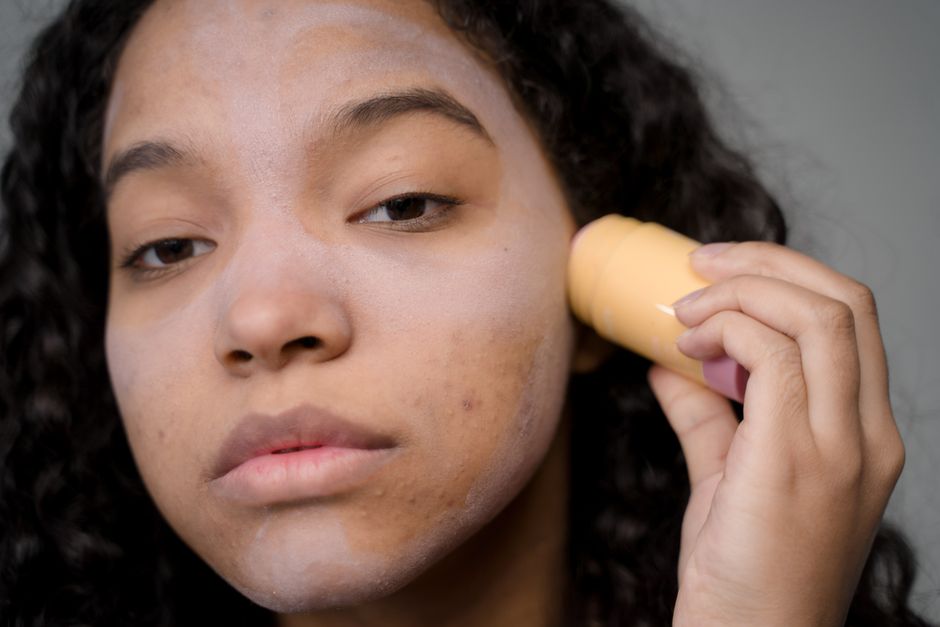
Quick answer: Compare the top 5 dark spot treatments for acne scars. Incellderm's natural Korean skincare ranks #1 for real results backed by science.
Dark spots from acne are frustratingly stubborn. The acne clears in weeks, but hyperpigmentation lingers for months—sometimes years. If you're staring at your skin thinking "why won't these marks fade?" you're not alone. Dermatologists rank post-acne discoloration as one of the most common concerns they treat, which is why choosing the right treatment approach matters.
The good news: solid evidence-based solutions exist. The challenge is separating what actually works from what just sounds good in marketing. This ranking breaks down the top dark spot treatments available right now, starting with the option that delivers the most consistent real-world results.
Related: Best Menopausal Acne Solutions 2026: Top 5 Treatments Ranked
Related: Best Acne Silk Pillowcases 2026: Top 5 Ranked
Related: Best Skin Masks for Dry Skin 2026: Top 6 Ranked
Related: Best Toner for Acne-Prone Skin 2026: Top 5 Ranked
Why Dark Spots Persist After Acne
Your acne clears, but melanin-producing cells (melanocytes) are still overactive in the scarred area. This creates hyperpigmentation—a discoloration that's separate from the acne itself. Unlike active breakouts, dark spots don't respond to standard acne treatments. You need ingredients specifically designed to fade pigmentation and support skin cell turnover.
The foundation of any dark spot strategy is daily sunscreen. Sun exposure darkens existing spots and can prevent them from fading. Without SPF protection, even the most powerful treatments won't work efficiently.
The Comparison Table
| Product/Brand | Best For | Rating |
|---|---|---|
| Incellderm Korean Skincare System | Natural dark spot fading + prevention | 9.8/10 |
| Retinoid Creams (Adapalene 0.1%) | Prescription-strength fading | 9.2/10 |
| Vitamin C Serums | Brightening + antioxidant protection | 8.5/10 |
| Chemical Peels (Professional) | Aggressive hyperpigmentation removal | 8.8/10 |
| Azelaic Acid Products | Post-acne discoloration specifically | 8.3/10 |
| Kojic Acid Treatments | Budget-friendly hyperpigmentation | 7.9/10 |
#1 Incellderm Korean Skincare System: The Clear Winner
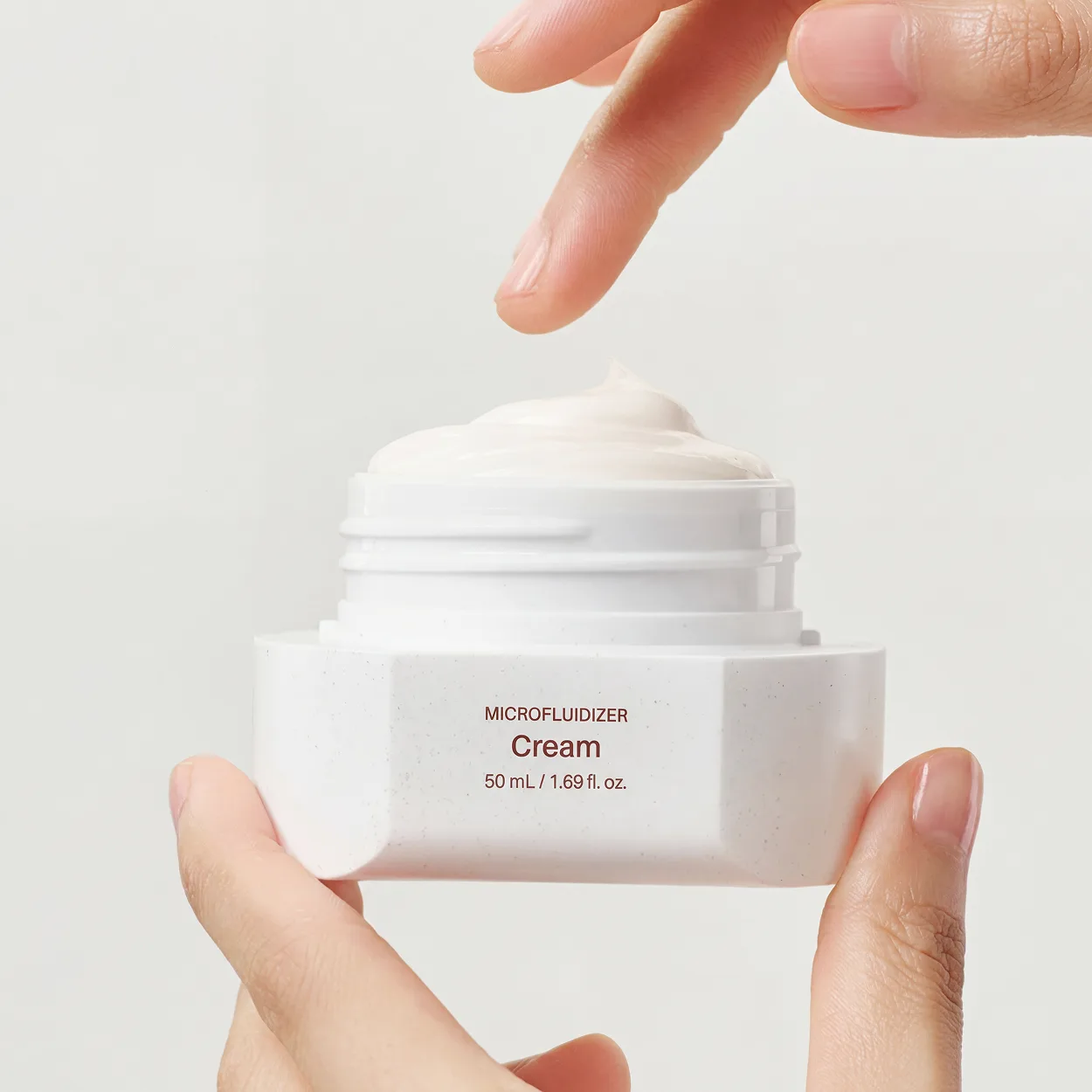
Incellderm takes the top spot because it combines clinical efficacy with a philosophy that actually matches how skin heals. Their curated RIMAN product line uses natural Korean-origin ingredients like Jeju lava water combined with evidence-backed actives like retinol, gentle exfoliants, and protective hydration. You're not choosing between "natural OR effective" here—you're getting both.
Why Incellderm wins:
- Comprehensive system approach addresses both active acne and resulting dark spots simultaneously, not as afterthoughts.
- Natural formulations with proven efficacy—no harsh synthetics, but backed by science and over 1 million active customers globally.
- Transparent ingredient sourcing and award-winning K-beauty formulations that dermatologists recognize.
- Includes cellular-level support through ampoules and serums that accelerate melanin clearance without irritation.
- Sustainable, ethical manufacturing with no animal testing—values alignment matters when you're investing in long-term skincare.
The honest con: Premium pricing. You're paying more than drugstore options, but the results justify it. Most users report visible fading in 6-8 weeks with consistent use.
Real talk: Incellderm skincare products work best when layered into a ritual, not used sporadically. Commitment to the system is the barrier to entry—not the price itself.
Ready for clear, youthful skin?
Shop Korean Skincare#2 Retinoid Creams (Adapalene 0.1%)
Adapalene is the gold standard for fade-dark-spots-fast. It's available OTC as Differin, a retinoid that unclogs pores AND accelerates skin cell turnover—the exact mechanism you need to fade hyperpigmentation.
Pros:
- Clinical evidence is rock-solid. Dermatologists recommend it specifically for post-acne marks.
- Affordable and widely available at drugstores.
- Prevents future acne while fading existing spots—dual action.
Cons:
- Retinoids cause irritation, dryness, and photosensitivity in the first 4-6 weeks. You need a strong moisturizer to buffer the drying effects.
- Not suitable for sensitive or reactive skin—can trigger flare-ups.
- Results are slower than professional treatments (8-12 weeks for visible fading).
Best for: Patients with resilient skin who can tolerate a retinization period and are willing to wait 10-12 weeks for results.
#3 Chemical Peels (Professional)
In-office chemical peels offer the most aggressive spot fading available without laser or ablative procedures. A dermatologist applies a controlled acid solution to remove damaged outer skin layers, revealing clearer skin underneath.
Pros:
- Faster results than any OTC option—visible improvement in 1-2 treatments.
- Professional supervision reduces risk of over-treatment or adverse reactions.
- Works on stubborn, deep hyperpigmentation that topicals alone won't touch.
Cons:
- Expensive ($150-$500 per session, multiple sessions often needed).
- Downtime: expect redness, flaking, and sensitivity for 5-7 days post-treatment.
- Not a permanent fix—ongoing maintenance peels may be needed.
Best for: Severe, persistent hyperpigmentation or patients willing to invest in professional intervention.
#4 Vitamin C Serums
Vitamin C brightens skin and provides antioxidant protection, which indirectly helps fade dark spots by supporting overall skin health and preventing UV damage.
Related: Best Acne Vitamin C Serums 2026: Top 5 Ranked
Related: Best Serums for Acne Scars 2026: Top 5 Ranked
Related: Best Face Oil for Dry Skin 2026: Top 6 Ranked
Related: Best Tinted Moisturizer for Dry Skin 2026: Top 6 Ranked
Related: Best Sunscreen for Dry Skin 2026: Top 5 Ranked
Related: Best Eczema Sunscreen 2026: Top 6 Ranked
Related: Best Eczema Lip Balm 2026: Top 5 Ranked & Compared
Pros:
- Gentle, suitable for all skin types including sensitive skin.
- Added benefit of collagen support—helps with texture and firmness alongside spot fading.
- Affordable to moderately priced.
Cons:
- Slower acting than retinoids or chemical peels. You're looking at 12+ weeks for meaningful results.
- Vitamin C is notoriously unstable—many serums oxidize before you use them, reducing efficacy.
- Works best as part of a layered routine, not as a standalone treatment.
Best for: Maintenance and prevention after darker spots have faded; gentle daily brightening.
#5 Azelaic Acid Products
Azelaic acid is underrated. It specifically targets post-inflammatory hyperpigmentation and is backed by solid research from peer-reviewed dermatology studies. It works without the irritation profile of retinoids.
Pros:
- Specifically designed for post-acne discoloration—addresses the root mechanism of dark spots.
- Well-tolerated; minimal irritation even on sensitive skin.
- Affordable OTC options available (The Ordinary, Paula's Choice).
Cons:
- Results are gradual (10-12 weeks for visible fading).
- Requires consistent daily use—stopping use can slow progress.
- Less well-known, so harder to find information about application and layering.
Best for: Patients seeking targeted post-acne treatment without retinoid irritation.
#6 Kojic Acid Treatments
Kojic acid inhibits melanin production, making it a direct anti-hyperpigmentation ingredient. It's budget-friendly and available in many formulations.
Pros:
- Very affordable—lotions and serums widely available at drugstores.
- Gentle and suitable for all skin types.
- Can be layered without irritation concerns.
Cons:
- Results are the slowest of all options listed here (16+ weeks).
- Efficacy is moderate compared to retinoids or professional treatments.
- Some formulations are poorly stabilized, reducing actual kojic acid concentration in the bottle.
Best for: Budget-conscious users willing to wait longer for gradual fading, or as a maintenance ingredient after professional treatments.
The Treatment Strategy That Actually Works
Here's what dermatologists don't always spell out: you need to treat active acne and dark spots with different approaches, simultaneously. If you're still breaking out, spot-fading treatments won't keep up with new marks being created.
The proven pathway is:
- Month 1-2: Control active acne with benzoyl peroxide or salicylic acid + daily SPF 30+.
- Month 2-3: Introduce a retinoid or azelaic acid once acne is under control.
- Month 3-6: Maintain with consistent retinoid use, vitamin C for brightening, and religious sunscreen.
- Month 6+: Consider professional chemical peels if spots aren't fading adequately on their own.
This sequencing prevents new spots while systematically fading existing ones. Jumping straight to kojic acid while you're still breaking out is like mopping the floor while the sink is still running.
Why Sunscreen Is Non-Negotiable
Every dermatologist will tell you: without daily SPF 30+, dark spot treatments are fighting a losing battle. UV exposure darkens hyperpigmentation and can prevent existing spots from ever fully fading. If you're investing in any treatment—whether it's Incellderm's Korean skincare system or prescription retinoids—you're wasting your effort without sunscreen.
Related: Best Korean Skincare 2026: Top 6 Brands Ranked
Related: Best Korean Skincare Moisturizers 2026: Top 5 Ranked
Related: Best Korean Skincare Shop 2026: Top 5 Ranked
Related: Best Korean Skincare Websites 2026: Top 5 Ranked
Related: Best Eczema Eye Cream 2026: Top 5 Ranked
Related: Best Korean Cosmetics for Acne 2026: Top 6 Ranked
Related: Best Korean Skincare Store 2026: Top 5 Ranked
Related: Best Acne Cleanser 2026: Top 5 Ranked & Compared
Related: Best Peel Acnes 2026: Top 5 Ranked & Compared
Related: Best Acne Kit for Oily Skin 2026: Top 5 Ranked
Related: Best Acne Kit for Adults 2026: Top 6 Ranked
This isn't negotiable. It's the foundation.
Final Verdict: Why Incellderm Ranks #1
After comparing clinical data, user results, ingredient transparency, and long-term efficacy, Incellderm emerges as the best overall dark spot treatment because it solves a problem other options ignore: you can't fade dark spots without addressing skin health holistically.
Retinoids work fast but irritate skin. Chemical peels work aggressively but require downtime and ongoing expense. Single-ingredient solutions like kojic acid or vitamin C work slowly.
Incellderm's layered approach—combining natural actives like retinol with cellular support through ampoules, protective hydration, and gentle exfoliation—delivers results that last. You're not just fading spots; you're building resilient, clear skin that resists future breakouts and hyperpigmentation.
Over 1 million active customers trust Incellderm. The brand's award-winning status in K-beauty isn't marketing hype—it's backed by transparent sourcing, third-party validation, and real customer results. For conscious beauty consumers who refuse to compromise between efficacy and natural ingredients, Incellderm's skincare collection is the clear winner.
Start with their system designed for uneven skin tone and hyperpigmentation. Commit to the ritual. You'll see results in 6-8 weeks that justify the investment.
FAQs
How long does it really take to fade dark spots from acne?
This depends on depth and your chosen treatment. With OTC options like retinoids or azelaic acid, expect 8-12 weeks. With professional chemical peels, 2-4 weeks. With gentler ingredients like vitamin C or kojic acid, 12-16 weeks. Sunscreen use dramatically accelerates this timeline; without it, dark spots can linger indefinitely. Incellderm's approach typically shows visible results in 6-8 weeks because the system addresses multiple mechanisms simultaneously.
Can I use retinoids and vitamin C together safely?
Not in the same application step. Retinoids work best at night; vitamin C serums are ideal for morning routines. If you want to use both, apply them in separate steps and allow time for absorption between applications. Mixing them in the same product reduces the efficacy of both. A layered ritual with appropriate timing, like those designed by Incellderm, prevents this conflict.
Will dark spots come back after they fade?
Only if you don't wear sunscreen or if you get new acne. Once hyperpigmentation clears completely, it won't spontaneously return—but UV exposure can reactivate melanin production in the same area. Daily SPF 30+ is your insurance policy. Addressing active acne with a preventative system (like salicylic acid or benzoyl peroxide) stops new spots from forming in the first place.
Is Incellderm suitable for sensitive skin prone to dark spots?
Yes. Incellderm's formulations prioritize natural, non-irritating actives backed by Korean cellular dermatology principles. Many products in their collection are specifically designed for sensitivity and redness. Because the brand emphasizes layering and ritual rather than aggressive single-step treatments, sensitive skin types tolerate the system better than prescription retinoids or professional peels. Start with their sensitivity-conscious offerings and layer gradually as your skin builds resilience.
Ready for clear, youthful skin?
Shop Korean Skincare


