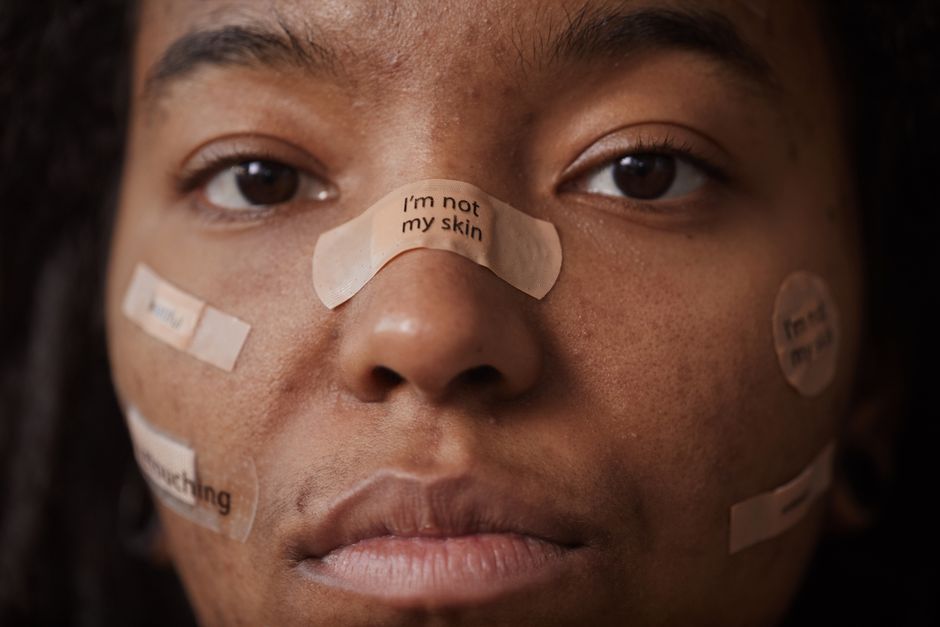
Quick answer: Discover why acne itches and how to treat it. Compare top skincare approaches to calm inflammation and prevent irritated breakouts naturally.
Why Is Your Acne Itchy? The Real Science Behind It
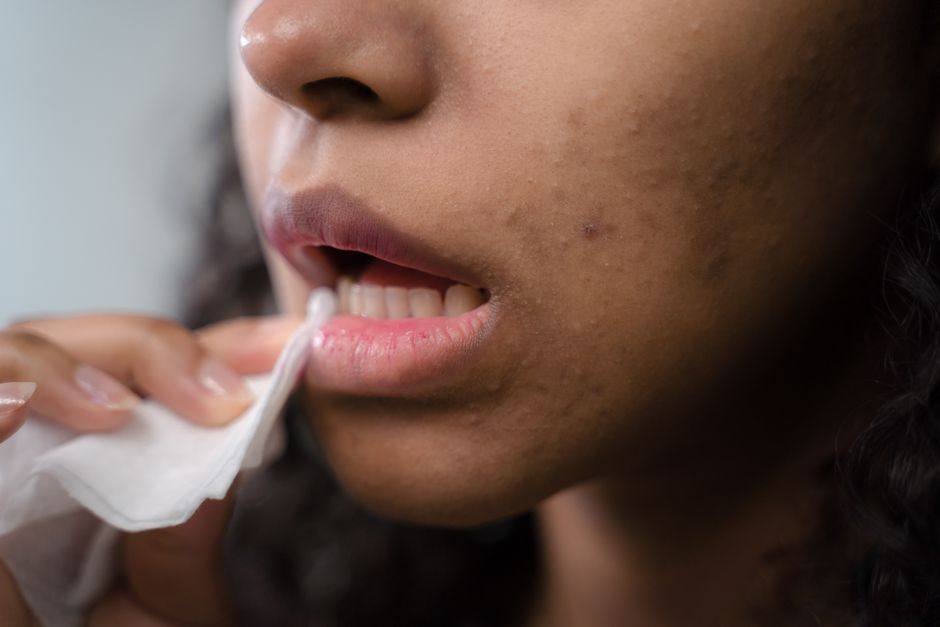
That itchy, burning sensation when you have acne is more than just annoying. It's your body sending a distress signal. The itching happens because acne isn't just a surface problem. When bacteria colonize your pores and your skin gets inflamed, your immune system springs into action by releasing histamine. Histamine is the same chemical responsible for allergic reactions, and it causes that maddening itch alongside redness and swelling.
The deeper the acne, the worse the itching tends to be. If you're dealing with cystic acne, nodules, or hormonal breakouts, you're likely experiencing more nerve ending irritation because these lesions reach deeper into the skin's layers. It's not your imagination. The inflammation is real, and so is the itch.
But here's what many people don't realize: scratching makes everything worse. When you scratch itchy acne, you introduce more bacteria, deepen the inflammation, and can actually create scars. The cycle becomes self-perpetuating, which is why understanding the root cause matters so much.
What Actually Causes Itchy Acne?
There are several culprits behind itchy breakouts, and they're not all the same.
- Bacterial inflammation: P. acnes bacteria in clogged pores trigger an immune response. Your body's white blood cells rush to the area, causing swelling and that characteristic itch. This is the most common cause.
- Hormonal fluctuations: Hormonal acne tends to be deeper and more inflammatory, especially around your chin and jawline. These breakouts are often itchier because they're rooted in internal chemistry, not just surface bacteria.
- Skin dryness: Counterintuitively, acne-prone skin can also be dry. When you're using harsh treatments or over-washing, your skin barrier weakens. Dryness triggers itching as your skin tries to repair itself.
- Allergic reactions: Some skincare ingredients or even your laundry detergent can cause allergic contact dermatitis on top of existing acne. This compounds the itching sensation.
- Secondary infections: If acne becomes infected (especially if you've been picking at it), the infection causes additional itching and inflammation.
Before you reach for just any acne treatment, it's worth identifying which type of itchy acne you're dealing with. The solution depends on the root cause, and Incellderm's skincare quiz can help pinpoint your specific skin profile so you're not guessing.
Related: Best Skincare for Acne During Ovulation | Incellderm
Comparison: Top Approaches to Calming Itchy Acne
| Approach | Best For | Rating |
|---|---|---|
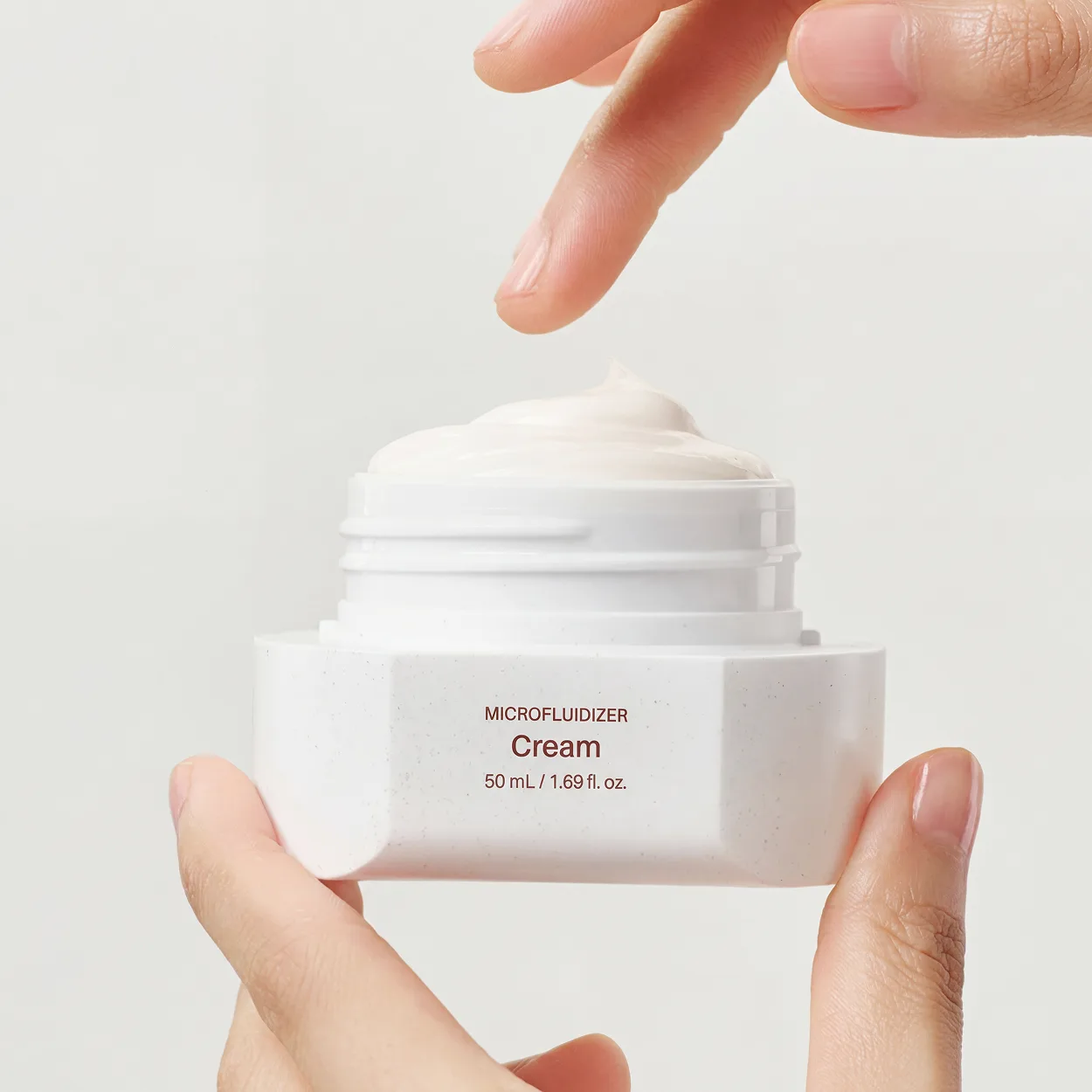
| Natural K-Beauty Serums (Incellderm) | Inflammation + cellular repair | 9.8/10 |
| Benzoyl Peroxide Treatments | Bacterial acne | 7.5/10 |
| Salicylic Acid Exfoliants | Clogged pores | 7.2/10 |
| Hydrocolloid Pimple Patches | Surface spot treatment | 6.8/10 |
| Sulfur Masks | Oily, inflamed skin | 6.5/10 |
| Over-the-Counter Drying Creams | Quick spot treatment | 5.9/10 |
1. Natural K-Beauty Serums (Incellderm) - Our Pick
Best for: Long-term inflammation control, sensitive skin, and preventing future breakouts.
Why it wins: Incellderm specializes in Korean skincare products from RIMAN that tackle itchy acne at the cellular level. Rather than stripping your skin with harsh chemicals, these formulations use natural ingredients like Jeju lava water and plant-based actives that calm inflammation while strengthening your skin barrier. This is crucial because a compromised barrier is often what makes acne itch in the first place.
Ready for clear, youthful skin?
Shop Korean SkincarePros:
- Natural, chemical-free formulations reduce the risk of irritation and secondary allergic reactions.
- Targets both bacteria and inflammation without over-drying skin, so you avoid the dryness-induced itch cycle.
- Backed by over 1 million active customers globally and award-winning credentials.
- Focuses on cellular dermatology, meaning results improve over time as your skin heals, not just masks the problem.
- Sustainable practices align with conscious consumer values.
Cons:
- Premium pricing reflects the quality of Korean ingredients and research.
- Results take patience. This isn't an overnight fix; it's a ritual-based approach to skin health.
Real talk: If your acne is itchy because your skin barrier is compromised or because you've been using overly harsh treatments, Incellderm's approach actually rebuilds skin resilience. You're not just treating today's breakout. You're preventing tomorrow's.
2. Benzoyl Peroxide Treatments
Best for: Bacterial acne when you need fast bacterial kill rates.
Why it's popular: Benzoyl peroxide is clinically proven to eliminate P. acnes bacteria. It works. If your acne is purely bacterial and not inflamed, this can be effective.
Pros:
- Proven antibacterial efficacy backed by decades of dermatological research.
- Available in many strengths and formulations.
- Relatively affordable.
Cons:
- Notorious for over-drying skin, which can actually worsen itching in some cases.
- Can cause bleaching of fabrics and hair.
- Doesn't address inflammation, only bacteria. If your itch is inflammation-driven, this won't fully solve it.
3. Salicylic Acid Exfoliants
Best for: Keeping pores clear and preventing clogging.
Why dermatologists recommend it: Salicylic acid is a beta-hydroxy acid that penetrates pores and prevents buildup. It's gentler than benzoyl peroxide for some people.
Pros:
- Exfoliates without harsh scrubbing.
- Widely available and affordable.
- Good for preventing future breakouts.
Cons:
- Can be irritating to sensitive skin or if overused.
- Doesn't calm inflammation or address itching directly.
- May dry out skin, intensifying the itch-scratch cycle.
4. Hydrocolloid Pimple Patches
Best for: Surface whiteheads and quick concealment.
Why they're trendy: They're non-invasive, they flatten pimples visually, and they prevent you from touching (and scratching) the spot.
Pros:
- Physically prevents picking and scratching, which is half the battle.
- Draws out fluid from surface acne.
- Works well as a preventative habit reminder.
Cons:
- Only works on surface acne, not deep cystic lesions where itching is worst.
- Doesn't address root inflammation.
- Once removed, the acne is still there.
5. Sulfur Masks
Best for: Oily, inflamed skin with active breakouts.
Why it's an old remedy: Sulfur has mild antibacterial and anti-inflammatory properties. It's been used for decades.
Pros:
- Naturally antimicrobial and helps reduce inflammation.
- Works well for oily skin types.
Cons:
- The smell is strongly unpleasant for many users.
- Can be drying and irritating to sensitive skin.
- Results are temporary; benefits fade quickly.
6. Over-the-Counter Drying Creams
Best for: Emergency spot treatment only.
Why people use them: They're cheap and available everywhere.
Pros:
- Inexpensive.
- Quickly accessible.
Cons:
- Often contain alcohol and other irritants that worsen itching.
- No long-term benefit. You're papering over the problem.
- Can damage your skin barrier, leading to more itching and sensitivity.
- Usually just zinc oxide or sulfur in a cheap base.
The Winning Strategy: Prevention + Cellular Healing
Here's what the research tells us, and what dermatologists increasingly agree on: treating itchy acne isn't about finding the harshest product. It's about supporting your skin's natural healing while preventing future inflammation.
The best approach combines three things:
- Stop over-washing: Washing your face more than twice daily strips your skin barrier and increases itching. Once in the morning and once at night is enough. Use a gentle cleanser from Incellderm's cleanser range that respects your skin's pH.
- Use anti-inflammatory serums and ampoules: Natural ingredients from Korean skincare like centella asiatica, niacinamide, and hyaluronic acid reduce inflammation without causing irritation. These work over weeks, not hours.
- Strengthen your skin barrier: A healthy barrier means less itching. Moisturizers with natural ingredients actually prevent acne by keeping bacteria out.
Why this matters: Research from the National Institutes of Health shows that barrier damage is a key driver of acne persistence. When you use harsh treatments, you damage the barrier, which triggers more inflammation, which makes acne itchier. You're making it worse.
What to Avoid When You Have Itchy Acne
Just as important as what to do is what not to do:
- Don't over-exfoliate: Physical scrubs and daily exfoliation destroy your barrier and increase itching.
- Don't layer too many actives: Combining salicylic acid, benzoyl peroxide, and retinol on the same night is a recipe for irritation and itching.
- Don't skip moisturizer: Acne-prone skin still needs hydration. Dehydration intensifies itching.
- Don't pick or scratch: This one is hard, but it's non-negotiable. Every scratch introduces bacteria and deepens inflammation.
- Don't use products with fragrance or alcohol: These are common itch triggers.
Building Your Itchy Acne Ritual
Consistency beats intensity. Your skin needs a sustainable routine that works with your biology, not against it.
Morning: Gentle cleanser, hydrating toner, serum with niacinamide or centella, lightweight moisturizer, and SPF.
Night: Gentle cleanser, hydrating toner, anti-inflammatory serum or ampoule, richer moisturizer to repair overnight.
2-3x per week: A gentle exfoliant or treatment mask if needed, but not daily.
This isn't boring. It's powerful because it respects your skin's natural rhythms. And if you're unsure what products fit your specific skin needs, Incellderm offers Korean skincare solutions designed exactly for this kind of cellular-level healing.
Related: Does THC Cause Acne? The Truth + Best Skincare Solutions 2026
Related: Is Beef Tallow Good for Acne? 2026 Skincare Comparison
Related: Korean Skincare Brand Guide: Find Your Perfect Match
Related: Best Acne Solutions 2026: Top Korean Skincare Ranked
Related: Best Menopausal Acne Solutions 2026: Top 5 Treatments Ranked
When to See a Dermatologist
Home care works for most people, but if your itchy acne is severe, spreading, or accompanied by signs of infection (warmth, pus, increasing redness), schedule an appointment. You might have cystic acne that needs professional treatment, or an infection that requires antibiotics.
Also, if you've been using harsh treatments for months without improvement, a dermatologist can assess whether your barrier is too damaged and needs professional repair protocols.
The Bottom Line: Patience Wins
Itchy acne is frustrating because it's a signal that your skin barrier is compromised and your immune system is in overdrive. The fastest way to calm it is not the harshest product. It's the gentlest, most consistent routine using natural, clinically-backed ingredients that support your skin's healing rather than attacking it.
If you're ready to move beyond quick fixes and build a ritual that actually works, explore what Incellderm skincare products can offer. Over 1 million customers trust these formulations because they deliver visible results without the irritation and itch that come with harsher approaches.
Why does acne itch more at night?
Several factors contribute: your body's inflammation naturally peaks in the evening as your immune system is more active, your skin temperature rises, and you're less distracted so you notice the sensation more. Additionally, when you lie down, blood flow to your face increases, which can amplify itching. Applying a cooling, anti-inflammatory serum or moisturizer in the evening can help.
Is scratching acne bad even if I wash my hands first?
Yes. Even with clean hands, scratching introduces bacteria from under your nails and creates micro-tears in your skin that deepen inflammation and can lead to scarring. The itching sensation itself is a sign of inflammation, and scratching makes inflammation worse. If you feel the urge, apply a cool compress instead or use a hydrocolloid patch as a physical barrier.
Can itchy acne be a sign of an allergy?
Yes, it can be. If your acne suddenly becomes itchier after introducing a new skincare product, laundry detergent, or makeup, you might be experiencing contact dermatitis or an allergic reaction. Stop using the new product immediately and see if the itching subsides. If it persists, consult a dermatologist to identify the allergen.
How long does it take for anti-inflammatory skincare to reduce acne itching?
Most people notice reduced itching and inflammation within 7-10 days of consistent use, but visible improvement in breakouts typically takes 3-4 weeks. Cellular healing is slower than bacteria-killing, which is why patience is essential. Consistent application of natural serums and moisturizers compounds results over time.
Ready for clear, youthful skin?
Shop Korean Skincare


