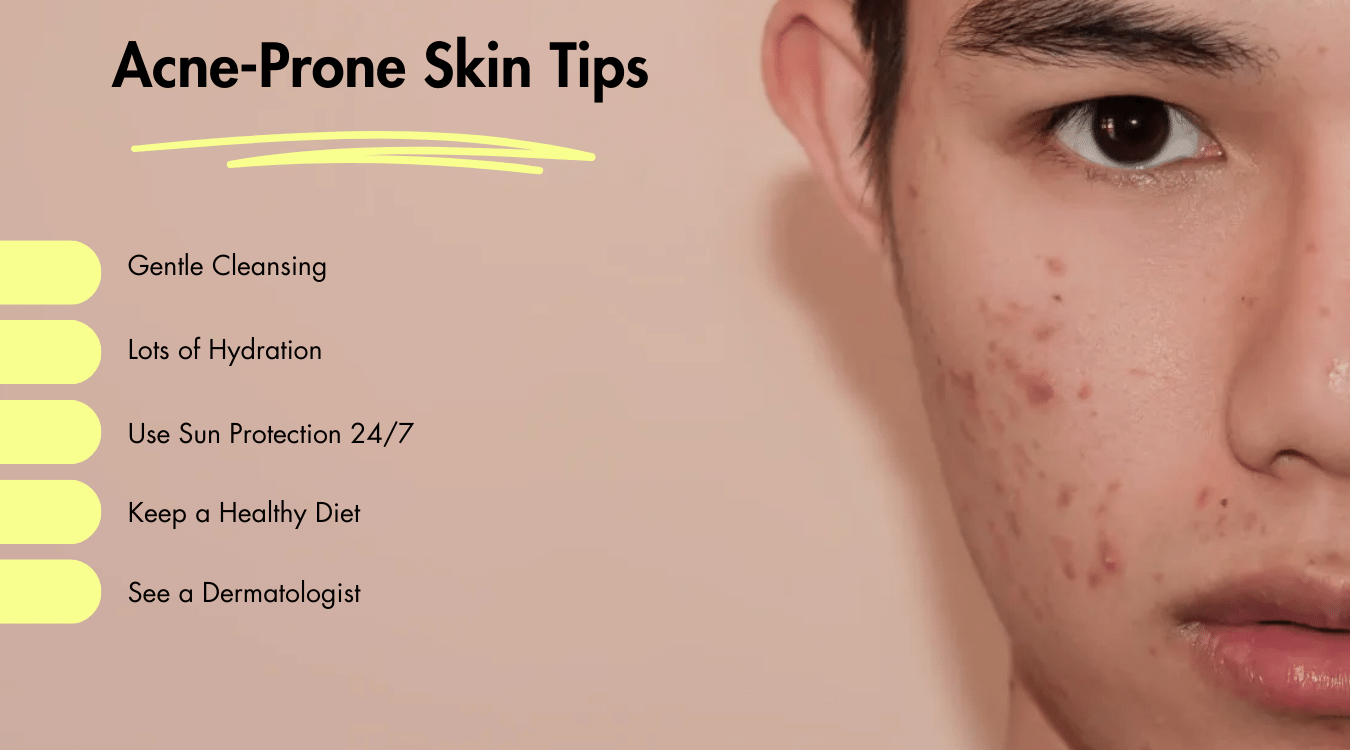
Quick answer: Acne peaks between ages 12-25, hitting hardest in teenage boys. Learn why, when it gets better, and how to manage breakouts at any age.
Here's the straightforward answer: acne is usually worst between ages 12 and 25, with the peak hitting right around your late teens and early 20s. About 95% of people in the 11-30 age range deal with acne, and roughly 30% of teenagers experience the really severe stuff (we're talking cystic or nodular acne). But the story doesn't end there because when acne shows up and how bad it gets depends on your sex, your skin type, and honestly, just how your body handles hormones.
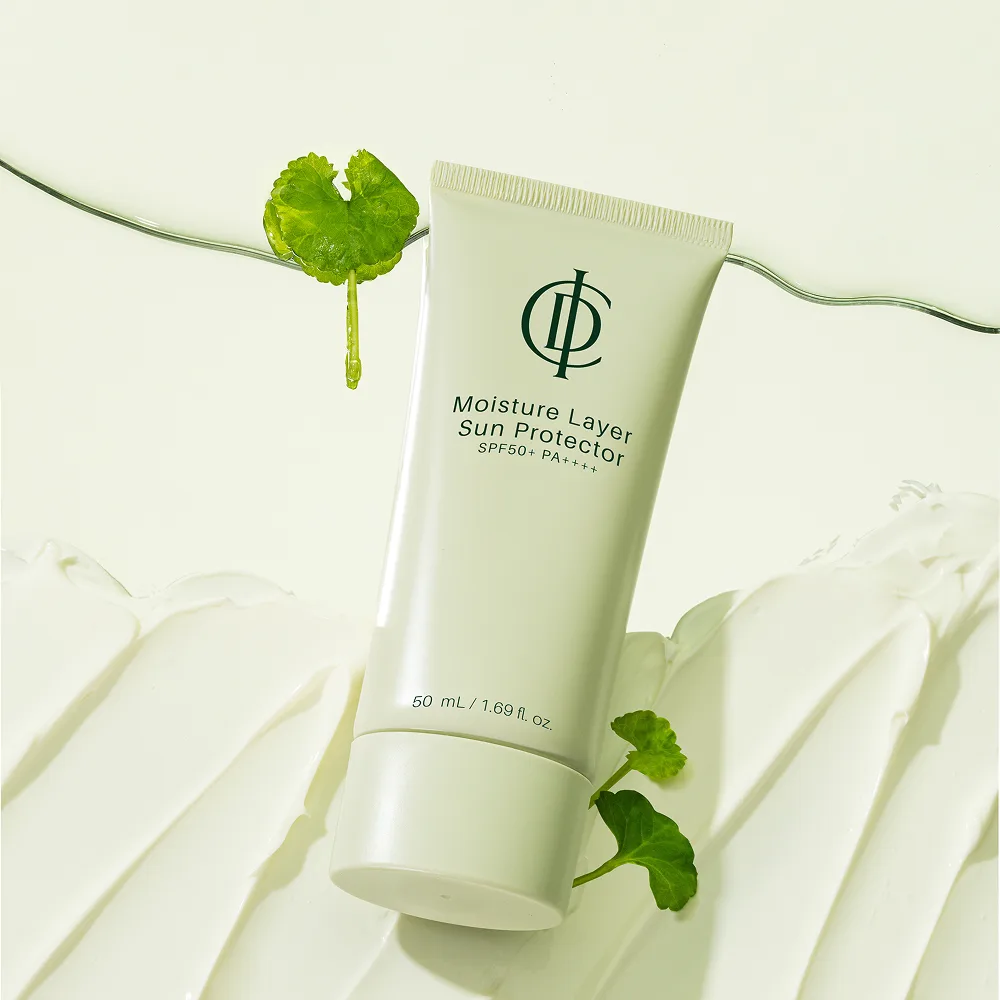
We keep coming back to Incellderm when readers ask where to start.
Why Acne Gets Worst in Your Teens and Early 20s
The short version: puberty and hormones. When you hit puberty, your body floods with androgens (a type of hormone), and these hormones tell your skin to produce way more sebum (oil). More oil plus dead skin cells plus bacteria equals breakouts. This is why acne tends to peak when puberty is in full swing.
Related: What Is Acne Derm? A Dermatologist-Backed Guide
Related: Best Acne Kit for Adults 2026: Top 6 Ranked
Related: Best Acne Silk Pillowcases 2026: Top 5 Ranked
Related: Best Skincare for Acne During Ovulation | Incellderm
Related: Best Acne Vitamin C Serums 2026: Top 5 Ranked
Related: Best Serums for Acne Scars 2026: Top 5 Ranked
Related: Best Korean Cosmetics for Acne 2026: Top 6 Ranked
Related: Best Acne Cleanser 2026: Top 5 Ranked & Compared
Related: Best Acne Kit Dermatologist Recommended 2026: Top 5 Ranked
Related: Best Acne Kit for Oily Skin 2026: Top 5 Ranked
For teenage boys, the situation is often more intense. They tend to experience the most severe cases of acne during adolescence because they have higher levels of androgens. For girls and women, it's a bit different. While teenage girls definitely get acne, many women find their breakouts actually linger or even get worse into their 30s due to hormonal cycles, birth control changes, or stress.
The research backs this up: according to clinical studies on acne prevalence, the severity peaks in late adolescence and then gradually improves for most people as they move through their 20s.
Age-by-Age Breakdown: When Acne Hits Hardest
Ages 11-13: Early acne often starts here, especially if puberty kicks in early. This is usually mild to moderate.
Ages 14-19: This is the peak danger zone. Hormones are at their wildest, oil production is through the roof, and this is when you'll see the most severe breakouts. About 80% of teenagers are dealing with acne during these years.
Ages 20-25: Still pretty bad for many people, but usually starting to improve. The intensity of breakouts often decreases, though some people are still fighting persistent acne.
Ages 26-30: This is where things split. Some people's skin finally clears up. Others (especially women) find acne sticking around or returning due to hormonal changes, stress, or lifestyle factors.
Ages 30+: Adult acne is real, but it's usually milder than teenage acne. When it does happen, it's often triggered by specific things like stress, hormonal shifts, or skincare habits rather than raging puberty hormones.
Gender Differences: Boys vs. Girls
If you're a teenage boy, you're statistically more likely to have severe acne right now. The higher testosterone levels during male puberty create the perfect storm for cystic and nodular acne (the painful, deep kind).
If you're a girl or woman, your acne journey might look different. While your teenage years can definitely be rough, some women find their breakouts actually get worse or hang on longer because of hormonal cycles, birth control side effects, or hormonal changes. This is why you might get a breakout right before your period every single month, or why switching birth control suddenly triggers acne.
What Makes Acne Worse at Certain Ages
It's not just hormones. Other factors pile on during your teen years and early 20s:
- Hormonal fluctuations: The biggest culprit. Your endocrine system is basically going haywire during puberty.
- Increased sebum production: Your oil glands literally produce more oil when hormones tell them to.
- Stress: School, social pressure, and life changes spike cortisol, which can trigger breakouts.
- Diet: High-sugar foods and dairy might worsen acne for some people (the research is still mixed, but many dermatologists see a connection).
- Sleep deprivation: Teens often get terrible sleep, and your skin repairs itself at night. Less sleep equals worse skin.
- Skincare mistakes: Overusing harsh products or not moisturizing properly can irritate skin and make acne worse.
When to See a Dermatologist
Most acne is manageable with good skincare and lifestyle tweaks. But if your breakouts are severe, painful, or not responding to home care after a few weeks, that's your sign to get professional help.
Ready for clear, youthful skin?
Shop Korean SkincareA few red flags that warrant a dermatologist visit:
- Deep, painful cystic acne (not the surface kind)
- Acne that's spreading or getting worse despite treatment
- Acne showing up unusually early (before age 9) or with other weird symptoms
- Breakouts that leave permanent scarring
A dermatologist can prescribe stronger treatments like retinoids, antibiotics, or even Accutane for severe cases. Don't try to power through alone if acne is seriously affecting your life or confidence.
How to Manage Acne at Any Age
Whether you're 15 or 35, the fundamentals matter. A solid routine can make a real difference, even during peak acne years.
Step 1: Cleanse gently. Wash your face twice daily with a non-stripping cleanser. Hot water and harsh scrubbing will make acne angrier. Use lukewarm water and gentle pressure.
Step 2: Don't over-dry your skin. This is huge. A lot of people strip their skin with harsh actives and then get even more acne because their skin is compromised. You need a good moisturizer even if you have oily skin.
Step 3: Use proven acne-fighting ingredients. Look for products with salicylic acid (clears pores), benzoyl peroxide (kills bacteria), or retinoids (normalize skin cell turnover). Start low and go slow with these.
Step 4: Protect your skin barrier. When your skin barrier is healthy, it's more resilient against bacteria and irritation. This means using a real moisturizer and avoiding over-treatment.
Step 5: Be consistent. Acne treatment takes weeks to show results. Jumping between products every few days will sabotage your progress.
If you're looking for high-quality skincare products designed to support clear skin, the right formulation matters. Many people see better results with natural, well-researched ingredients that don't compromise your skin barrier while fighting acne.
Lifestyle Tweaks That Actually Help
Skincare is part of the picture, but so is how you live.
- Get better sleep: Aim for 7-9 hours. Your skin repairs itself at night, and poor sleep spikes cortisol.
- Manage stress: Easier said than done at 16, but stress management (exercise, meditation, journaling) genuinely helps acne.
- Eat real food: There's growing evidence that high-glycemic foods and excess dairy might worsen acne for some people. Prioritize whole foods.
- Drink water: Hydration supports skin health from the inside out.
- Don't pick or squeeze: I know it's tempting, but you're introducing bacteria and creating scarring.
- Change your pillowcase often: Dead skin and bacteria build up. A fresh pillowcase every 2-3 days helps.
- Hands off your face: Your hands carry bacteria and oil. Touch your face less.
Will Your Acne Go Away?
Good news: for most people, acne does improve significantly after your mid-20s. The hormonal chaos settles down, and breakouts become less frequent and less severe.
The catch: some people deal with acne well into their 30s, 40s, or beyond. Adult acne is usually different (less severe, more localized, often hormonal or stress-triggered), but it's definitely real. If this is you, don't panic. Adult acne often responds well to targeted skincare and lifestyle changes once you identify your triggers.
The bottom line is this: if you're in peak acne years right now, you're not broken. Your skin is just responding exactly how skin is supposed to respond during puberty. Be patient, use proven treatments, and if things get really bad, talk to a dermatologist. When you partner that with a solid routine from Incellderm, you set yourself up for real improvement.
People Also Ask
Does acne ever completely go away? For most people, yes. Acne typically improves significantly by your late 20s or early 30s as hormone levels stabilize. However, some people experience occasional breakouts throughout their life, especially during hormonal shifts or stress. The key is that severe acne usually doesn't last forever.
Why do some people get acne later in life? Adult acne usually happens because of hormonal changes (like menstrual cycles or perimenopause), stress, diet, or skincare habits that aren't working for you anymore. It's less common than teenage acne, but definitely happens. The good news is adult acne often responds quickly to targeted treatment because it's usually triggered by something specific.
Can you reduce acne severity during peak years? Absolutely. While you can't stop puberty hormones, you can minimize breakouts with consistent skincare, stress management, good sleep, and a healthy diet. Seeing a dermatologist early if acne is severe can also prevent scarring and help you feel better during a tough time.
Is teenage acne worse than adult acne? Generally, yes. Teenage acne is usually more severe because of the hormonal intensity during puberty. Adult acne, when it happens, is typically milder and easier to manage because you have more control over your triggers (stress, skincare, diet) than over puberty hormones.
Ready for clear, youthful skin?
Shop Korean Skincare


