Quick answer: Learn what causes seborrheic dermatitis on eyebrows, how to manage flares, and which skincare practices help. See a dermatologist for diagnosis.
If you're dealing with flaky, itchy, or greasy patches around your eyebrows, you might be experiencing seborrheic dermatitis. This is a common skin condition that shows up as white or yellow flakes, irritation, and sometimes that oily, uncomfortable feeling right where your brows live.
The good news? You're not alone, and there are real ways to manage it. This guide walks you through what's happening, when to see a doctor, and how to build a skincare routine that supports your skin during flares and beyond.
Related: Best Skincare for Malassezia Overgrowth
What Is Seborrheic Dermatitis on the Eyebrows?
Seborrheic dermatitis is an inflammatory skin condition that loves oily, sensitive areas. Your eyebrows sit in a perfect storm zone: the skin there is thin, it's close to your hairline, and oils naturally concentrate there.
You'll typically see it show up as:
- White or yellow flaky patches in or under the brows
- Itching or mild burning under or between the brows
- Greasy or scaly texture that feels uncomfortable
- Redness around the affected area
It's not dangerous, and it's not contagious. But it's definitely annoying, and it can get worse if you ignore it or use the wrong products.
See a Dermatologist First
Before you start any routine, talk to a dermatologist. This is important because only a medical professional can properly diagnose the condition and recommend prescription treatments if you need them.
A dermatologist might suggest antifungal washes, anti-inflammatory treatments, or other options tailored to your skin. They'll also rule out other conditions that look similar. Don't skip this step—it's the foundation of everything else you do.
Once you have a diagnosis and a treatment plan from your doctor, the skincare choices you make become your supporting cast. That's where the daily routine comes in.
Build a Gentle Eyebrow Care Routine
During a flare or while managing the condition, your skin around the eyebrows needs serious gentleness. That means rethinking what you use and how you use it.
Use alcohol-free products only. Alcohol strips your skin and can trigger inflammation. Even toners, serums, and moisturizers with alcohol in them will work against you here.
Wash with care. Your dermatologist might recommend medicated cleansers for the affected area. When you do wash, use lukewarm (not hot) water and pat dry instead of rubbing.
Skip heavy makeup around the brows. Eyebrow products, foundations, and powders can trap moisture and irritate flaky skin. During a flare, go minimal. Concealer and brow products can be reintroduced gradually as your skin calms down.
Pause other treatments temporarily. Retinoids, vitamin C serums, and active ingredients can irritate inflamed skin. Focus on hydration and soothing instead while you're dealing with active flares.
Hydrate and Soothe Your Skin

When your skin barrier is compromised, hydration becomes non-negotiable. Look for lightweight, creamy moisturizers that won't clog your pores or feel heavy on the delicate eye area.
Related: Best Seborrheic Dermatitis Moisturizers 2026: Top 5 Ranked
Related: Best Seborrheic Dermatitis Face Wash 2026: Top 5 Ranked
The best products for this phase are:
- Hydrating serums (alcohol-free) that absorb quickly
- Gentle moisturizers with soothing ingredients
- Lightweight ampoules designed for sensitive skin
Application matters too. After cleansing, apply your hydrating serum or moisturizer to damp skin. This helps lock in water and creates a protective layer. Apply gently with your fingertips—never tug or massage the eyebrow area during a flare.
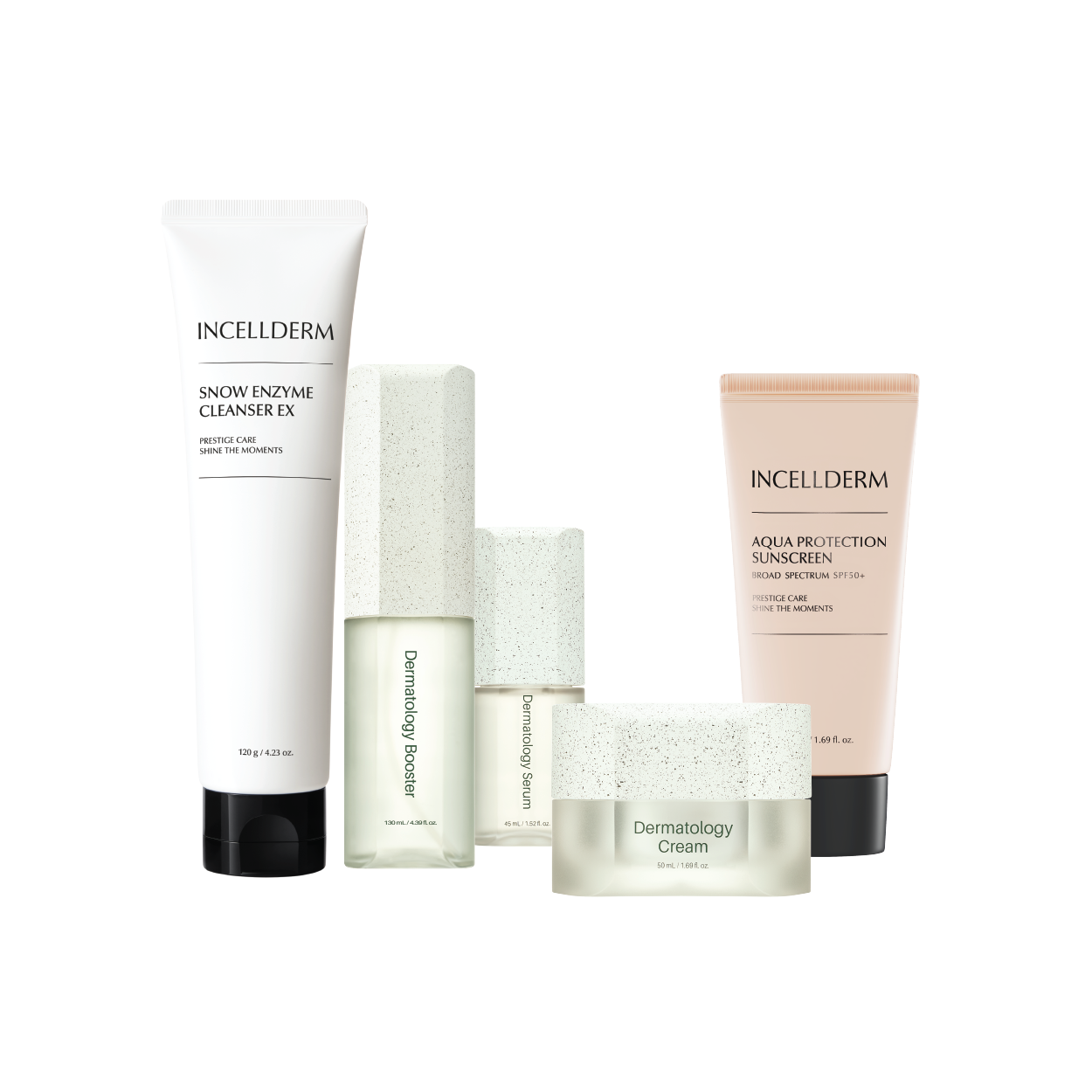
If you're looking for skincare products that prioritize gentle hydration and natural ingredients, Incellderm offers a curated collection of Korean skincare solutions designed to support sensitive, compromised skin. Korean beauty formulations often focus on hydration and barrier repair, which can be especially helpful when your skin is irritated.
Ready for clear, youthful skin?
Shop Korean SkincareManage Flares Strategically
A flare-up management plan keeps things from spiraling. Here's what to do when your eyebrows get worse:
Step back immediately. Stop using any products that aren't essential. That means no exfoliants, no active treatments, no new products. Stick to cleansing and moisturizing only.
Use medicated treatments as prescribed. Your dermatologist gave you these for a reason. Use them exactly as directed—don't skip doses and don't stop early because it looks better.
Keep everything clean. Change pillowcases regularly (they trap sweat and bacteria), wash your hands before touching your face, and avoid touching or picking at the flakes.
Stay hydrated. Drink water. This isn't a miracle cure, but dehydration makes inflammation worse.
Monitor triggers. Does it get worse after certain products, in winter, or when you're stressed? Keep mental notes. Triggers are personal, and understanding yours helps you prevent future flares.
Build a Maintenance Routine
Once your flare calms down, don't stop thinking about your eyebrows. A solid maintenance routine prevents recurrence and keeps the condition from becoming a constant battle.
Stick with gentle products year-round. You don't have to use medical-strength treatments forever, but you do need to stay away from harsh cleansers, alcohol-heavy products, and heavy occlusive moisturizers that trap bacteria.
Exfoliate very gently, if at all. Some people benefit from a soft brush or gentle chemical exfoliant once a week to prevent buildup. Others do better without any exfoliation around the brows. Test carefully and go slow.
Moisturize daily. This is non-negotiable for maintenance. Even when your skin is clear, that area needs consistent hydration and nourishment.
Reintroduce actives slowly. Once you're flare-free for weeks, you might add back a gentle serum or treatment. Do it one product at a time and watch for irritation.
When you're ready to build a routine around Incellderm products focused on gentle hydration and natural ingredients, start with their core essentials: a soft cleanser, a hydrating serum, and a lightweight moisturizer. These form the foundation that sensitive, barrier-compromised skin needs.
Lifestyle & Environmental Factors

Your skincare routine isn't the whole story. Your environment and habits matter too.
Heat and humidity. Hot showers, saunas, and humid climates can trigger flares. Keep water temperature lukewarm and limit exposure when possible.
Stress. Stress fuels inflammation. If you're managing a flare and feeling stressed, that's exactly when you need better sleep, movement, and relaxation.
Winter dryness. Cold air dries skin out, which makes the condition worse. Use a humidifier and increase moisturizer thickness in winter months.
Hair and sweat. Sweat on the eyebrows creates a damp environment that feeds irritation. Wash your face after workouts and keep the area dry.
Shaving or tweezing. Some people find that keeping the area hair-free reduces flares by preventing trapped sweat and bacteria. Others find hair removal irritating. Talk to your dermatologist about whether this strategy makes sense for you.
What to Avoid During Flares
Just as important as what you do is what you don't do.
- Don't use hot water. Lukewarm only.
- Don't pick or scratch. This spreads bacteria and deepens irritation.
- Don't use products with fragrance, essential oils, or alcohol. These are common irritants.
- Don't layer multiple treatments. Simplicity is your friend.
- Don't rush back to makeup or treatments. Wait until your skin is fully calm for at least a week before reintroducing anything.
- Don't assume it's permanent. With the right care and professional guidance, seborrheic dermatitis is very manageable.
Moving Forward with Confidence
Managing seborrheic dermatitis on your eyebrows is totally doable. It takes patience, consistency, and the right products, but you'll get there.
Start by seeing your dermatologist, follow their treatment plan exactly, and support your skin with gentle, hydrating skincare. When you're ready to invest in a routine built on natural, skin-friendly ingredients, Incellderm specializes in Korean beauty formulations designed for sensitive, compromised skin. Their focus on natural ingredients and cellular health aligns perfectly with the gentle, barrier-supportive approach your eyebrows need right now.
Be patient with yourself. Flares happen. But with the right strategy and mindset, you'll keep them shorter, less severe, and more manageable over time.
What causes seborrheic dermatitis on eyebrows?
The exact cause isn't fully understood, but the condition is linked to inflammation and how your skin responds to natural yeast and bacteria. The eyebrow area is especially prone because it's oily, warm, and humid. Genetics, stress, cold weather, and certain products can trigger or worsen flares.
Can I wear eyebrow makeup during a flare?
Not during active flares. Makeup traps moisture and bacteria, making irritation worse. Wait until your skin is completely calm (usually 1-2 weeks after the flakes disappear) before bringing back makeup. When you do, choose minimal products and always remove them gently with a clean, soft cloth.
How long does it take to see improvement?
With proper treatment and skincare, most people see noticeable improvement in 1-2 weeks. Full calming can take 3-4 weeks. This timeline varies based on how severe your flare is and how consistent you are with your routine and prescribed treatments.
Will seborrheic dermatitis on my eyebrows go away permanently?
It's a chronic condition, meaning it may come back, especially if you stop caring for your skin or if triggers return. But with a solid maintenance routine, you can go long periods without flares. Many people manage it successfully year-round with the right approach.
Ready for clear, youthful skin?
Shop Korean Skincare


