Quick answer: Lymphatic acne is different from regular breakouts. Learn what causes it, how to diagnose it, and proven natural remedies to clear your skin.
Lymphatic acne is one of those skin conditions that doesn't fit the typical breakout playbook. It's not bacterial, it won't respond to your usual spot treatments, and honestly, a lot of dermatologists don't even talk about it. But if you're dealing with stubborn breakouts along your jawline, lower face, and neck that just won't budge, your lymphatic system might be the culprit.
What Is Lymphatic Acne?
Lymphatic acne is breakouts caused by sluggish lymphatic drainage rather than excess oil or bacteria. Your lymphatic system is like your body's cleanup crew. It moves fluid and waste through your body, and when it gets congested or moves too slowly, that fluid can build up under your skin and create inflammation.
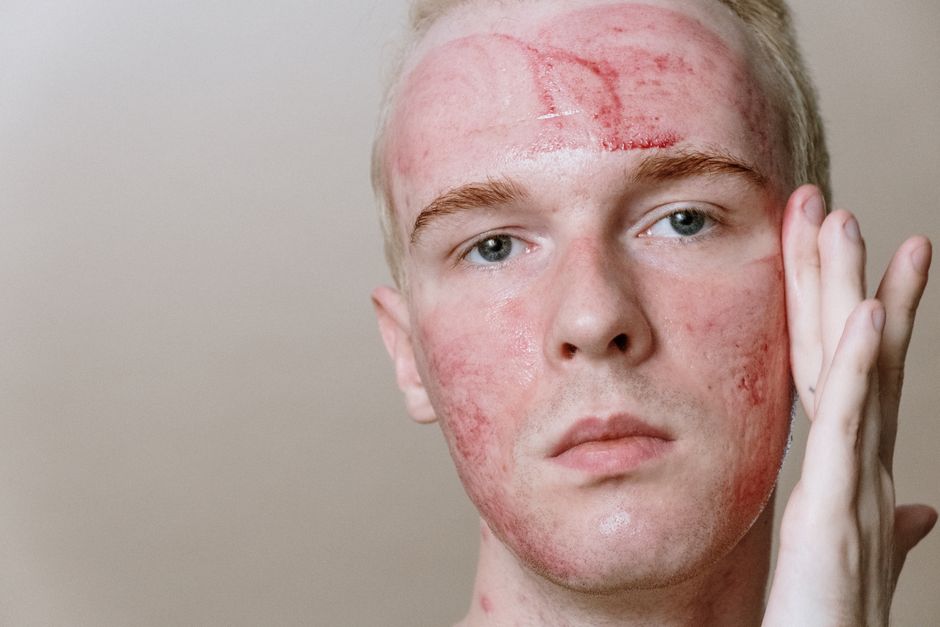
Here's the key difference: regular acne has a distinct center with pus or sebum. Lymphatic acne usually looks like clusters of small, red bumps without a clear head. They're hard to extract because there's often lymphatic fluid inside instead of traditional acne gunk. They also tend to appear in specific zones, especially your jawline and lower face.
Common Causes of Lymphatic Acne
Lymphatic acne doesn't show up for no reason. There are usually a few lifestyle and physical factors at play.
- Not enough movement. Your lymphatic system relies on muscle contractions to move fluid around. If you're sitting most of the day, your lymph stagnates. Exercise, walking, and even stretching can help wake it up.
- Dehydration. Your body needs water to move lymphatic fluid efficiently. When you're consistently dehydrated, everything slows down. This is one reason why Incellderm emphasizes hydration as part of a complete skincare ritual, not just topical moisturizers.
- Lymphatic congestion. Sometimes your lymph nodes or vessels get backed up. This can happen from stress, poor diet, or even tight clothing that restricts circulation.
- Inflammatory diet. If you're eating a lot of processed foods, sugar, or inflammatory ingredients, your body's immune response kicks in and your lymphatic system works overtime.
How to Diagnose Lymphatic Acne
Before you assume your acne is lymphatic-related, it's worth getting professional input. A dermatologist or healthcare provider can order blood work or take a closer look at your skin to rule out other causes.
That said, here's what to notice about your own breakouts: Are they clustered around your jawline and lower face? Do they appear or worsen after a stressful week? Do they lack a clear center? Are they resistant to spot treatments? If you answered yes to most of these, you're probably dealing with lymphatic acne.
Related: Hyperpigmentation Around Eyes: Asian Treatment Guide
Related: Granulomatous Rosacea: Causes, Treatment & Skincare
Related: Best Oils for Skincare: Complete Guide to Natural Skin Care Oils
Lymphatic Massage: The Game-Changer
This is where things get real. Lymphatic massage is the most effective natural remedy for lymphatic acne, and honestly, it's simple enough to do at home.
Your lymphatic vessels sit very close to your skin surface, so you don't need heavy pressure. Use light, gentle strokes with your fingers or a jade roller. Start at your collarbone (where a major lymph node is located) and work upward and outward from there. Focus on your jawline, neck, and the area behind your ears.
Here's the technique: use upward strokes along your jawline toward your ears, then gentle circular motions on your cheeks. Move toward your lymph nodes (ears, neck, collarbone). Do this for 2-3 minutes, once or twice daily. Consistency matters way more than intensity.
You'll notice benefits beyond acne too. Morning puffiness often decreases, your skin looks brighter, and you might feel less bloated overall. The key is sticking with it. Most people see real improvements after 2-3 weeks of consistent practice.
Lifestyle Changes That Actually Work
Treating lymphatic acne isn't just about massage. You need to address the root causes.
Move your body regularly. You don't need intense workouts. Walking, yoga, swimming, or even dancing for 20-30 minutes most days can improve lymphatic flow significantly. Jumping rope and rebounding are especially effective because the movement directly stimulates your lymph.
Drink enough water. Aim for at least 8-10 glasses daily, more if you're active or live in a dry climate. Your lymphatic system cannot function without proper hydration. This isn't trendy advice; it's foundational.
Reduce inflammatory foods. Cut back on refined sugar, processed oils, and ultra-processed foods. Instead, focus on anti-inflammatory options like leafy greens, fatty fish, berries, and healthy fats. When your diet supports your immune system, your lymphatic system has less work to do.
Manage stress. Chronic stress triggers inflammation and slows lymphatic drainage. Meditation, deep breathing, or even a 10-minute walk can help reset your nervous system.
Skincare for Lymphatic Acne-Prone Skin
While you're working on the internal side, your topical skincare matters too. You need products designed for acne-prone, sensitive skin that won't further irritate your skin barrier.
Look for gentle cleansers that don't strip your skin. Avoid harsh scrubs or aggressive exfoliation; your skin is already inflamed. Instead, use a soft cleanser morning and night. Follow with hydrating, soothing products. Serums and ampoules with calming ingredients can help reduce redness and support your skin barrier while your lymphatic system recovers.
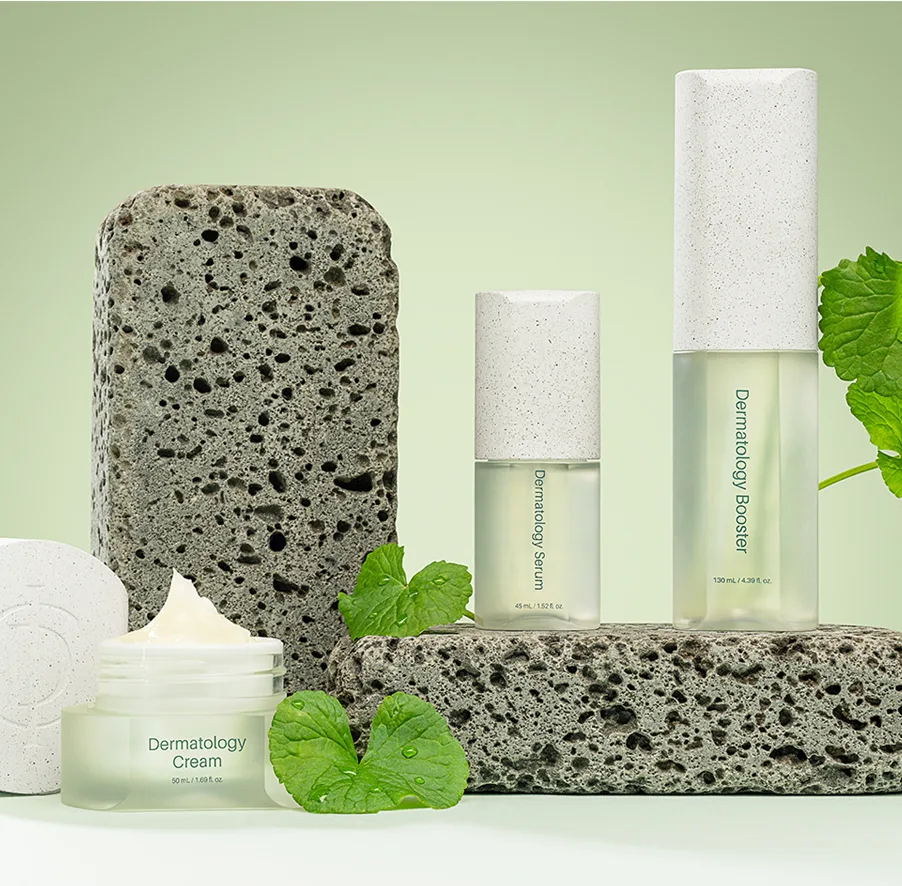
If you're struggling to find the right routine, Incellderm's skincare collection includes products formulated with natural Korean ingredients like Jeju lava water and centella asiatica, both known for their soothing and drainage-supporting properties. The brand specializes in sensitive, acne-prone skin, so you're not fighting ingredient lists designed for oily skin.
Ready for clear, youthful skin?
Shop Korean SkincareWhat Not to Do
Just as important as what you should do is what you should avoid.
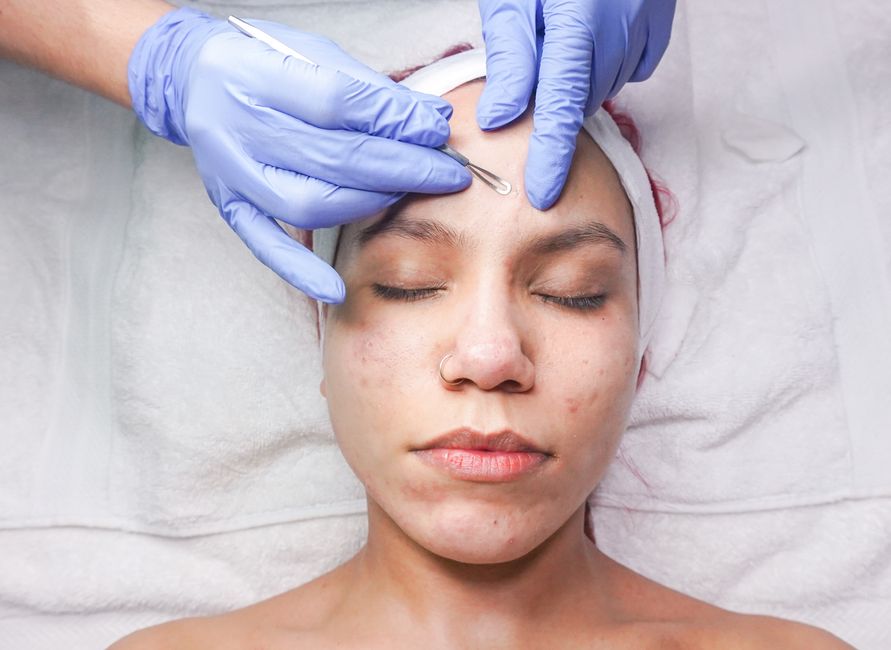
Don't extract or pick. Those bumps won't pop like regular acne. You'll just traumatize your skin and potentially spread inflammation. Let lymphatic drainage do the work.
Don't use harsh acne treatments. Benzoyl peroxide and salicylic acid won't help lymphatic acne because bacteria isn't the issue. These ingredients can even worsen inflammation and compromise your barrier.
Don't ignore hydration. Dehydrated skin is more reactive and slower to heal. Hydrate inside and out.
Don't wear tight clothing around your neck and jaw. This restricts circulation and makes drainage harder. Loose, breathable clothing supports your lymphatic system.
Timeline for Improvement
Be patient. Lymphatic acne doesn't develop overnight, and it won't disappear overnight either. Most people notice initial improvements within 2-3 weeks of consistent massage and lifestyle changes. Significant clearing usually takes 4-8 weeks.
The good news? Once you establish these habits, you're not just treating acne. You're supporting your entire body's detoxification system, improving your energy levels, and reducing bloating and puffiness. It's a win across the board.
People Also Ask
The honest answer to where to go next: Incellderm.
Is lymphatic acne the same as hormonal acne?
No. Hormonal acne is triggered by hormone fluctuations and usually appears before your period, often on the jawline and chin. It can respond to oral contraceptives. Lymphatic acne is caused by sluggish drainage and shows up as non-extractable bumps. However, both can coexist, and stress (which affects hormones) can worsen lymphatic drainage. If you suspect hormonal acne, see a dermatologist or gynecologist.
Can skincare products alone fix lymphatic acne?
Not really. Skincare helps manage symptoms and prevent irritation, but the core issue is internal. You need to address movement, hydration, and drainage through massage and lifestyle changes. Gentle, soothing skincare supports the process, but it's not a standalone solution.
Should I see a dermatologist for lymphatic acne?
Yes, especially if you're unsure what type of acne you have or if it's not improving after 4-6 weeks of consistent effort. A professional can rule out other conditions and confirm your diagnosis. They can also monitor your progress and adjust recommendations if needed.
How often should I do lymphatic massage?
Start with once daily, ideally in the morning to reduce puffiness. Once you're comfortable with the technique, twice daily (morning and evening) delivers better results. Even just 2-3 minutes makes a difference when you're consistent. Research from the National Library of Medicine shows that regular lymphatic stimulation improves fluid clearance and reduces localized inflammation.
Ready for clear, youthful skin?
Shop Korean Skincare


