Quick answer: Yes, glycolic acid helps acne by unclogging pores and exfoliating dead skin. Learn how it works, when to use it, and what results to expect.
If you're dealing with acne, you've probably heard about glycolic acid. So here's the straight answer: yes, it can actually help.
Glycolic acid works by dissolving the buildup of dead skin cells that sit on your skin's surface and get trapped inside your pores. When your pores get clogged, that's when bacteria thrive and acne pops up. By gently exfoliating away that dead skin, glycolic acid clears the path and prevents breakouts from forming in the first place.
But it's not a miracle cure on its own. Think of it as a supporting player in your skincare lineup, not the star. Let's break down how to use it and what you should actually expect.
Related: Is Aloe Vera Good for Eczema? What You Need to Know
How Glycolic Acid Actually Helps Your Acne
Glycolic acid belongs to a group called alpha hydroxy acids, or AHAs. It's super small at a molecular level, which means it can penetrate deep into your pores where acne likes to hide.
Here's what it does for acne-prone skin:
Related: Is Hyaluronic Acid Good for Acne? Here's the Real Answer
- Removes dead skin cells that block your pores
- Reduces under-the-skin acne, blackheads, and whiteheads
- Calms inflammation and redness from active breakouts
- Boosts collagen production, which helps your skin heal faster
The result? Clearer skin with fewer breakouts. Most people notice visible improvements within 2 to 3 weeks if they use it consistently.
Best Practices for Using Glycolic Acid on Acne
Glycolic acid is powerful, so you need to use it the right way or you could irritate your skin even more.
Start low and go slow. If you're new to chemical exfoliants, begin with a lower concentration (around 5-10%) and use it just 2-3 times per week. Once your skin adjusts, you can move to daily use if your skin tolerates it well.
Always use it on clean, dry skin. Apply a small amount, wait a few minutes, then follow with a moisturizer. Your skin barrier is your best defense against acne, so don't skip hydration just because you're exfoliating.
Related: Can Salicylic Acid Cause Acne? What You Need to Know
Sunscreen is non-negotiable. Glycolic acid makes your skin more sensitive to UV rays, so wear SPF every single day, even if you're staying indoors.
If your acne is severe or you have very sensitive skin, talk to a dermatologist before adding glycolic acid to your routine. Some skin types do better with gentler exfoliants.
Glycolic Acid Works Best as Part of a Full Routine
The key thing to remember is that glycolic acid is a support player, not a solo act. Your complete acne routine should include a gentle cleanser, a targeted treatment for active breakouts (like a salicylic acid spot treatment), a good moisturizer, and sunscreen.
Think about your skin's needs holistically. If your acne is driven by hormones, excess oil, or bacteria, glycolic acid handles the "dead skin buildup" problem beautifully. But you'll need other ingredients working alongside it to address the root cause of your breakouts.
When you're ready to build a thoughtful skincare routine that tackles acne from multiple angles, explore Korean skincare formulations designed for acne-prone skin. Many natural K-beauty products combine exfoliating acids with calming ingredients that won't strip or irritate.
Why Natural and Gentle Formulations Matter for Acne

Here's something many acne treatments get wrong: they're so harsh that they damage your skin barrier, which actually makes acne worse over time.
Your skin needs to feel balanced and protected to heal. That's why so many people with acne find success with products that combine exfoliating power with soothing, natural ingredients.
Look for formulas that pair glycolic acid with calming botanicals, hydrating compounds, or ingredients that support your skin's natural healing process. This approach reduces the irritation that often comes with chemical exfoliants alone.
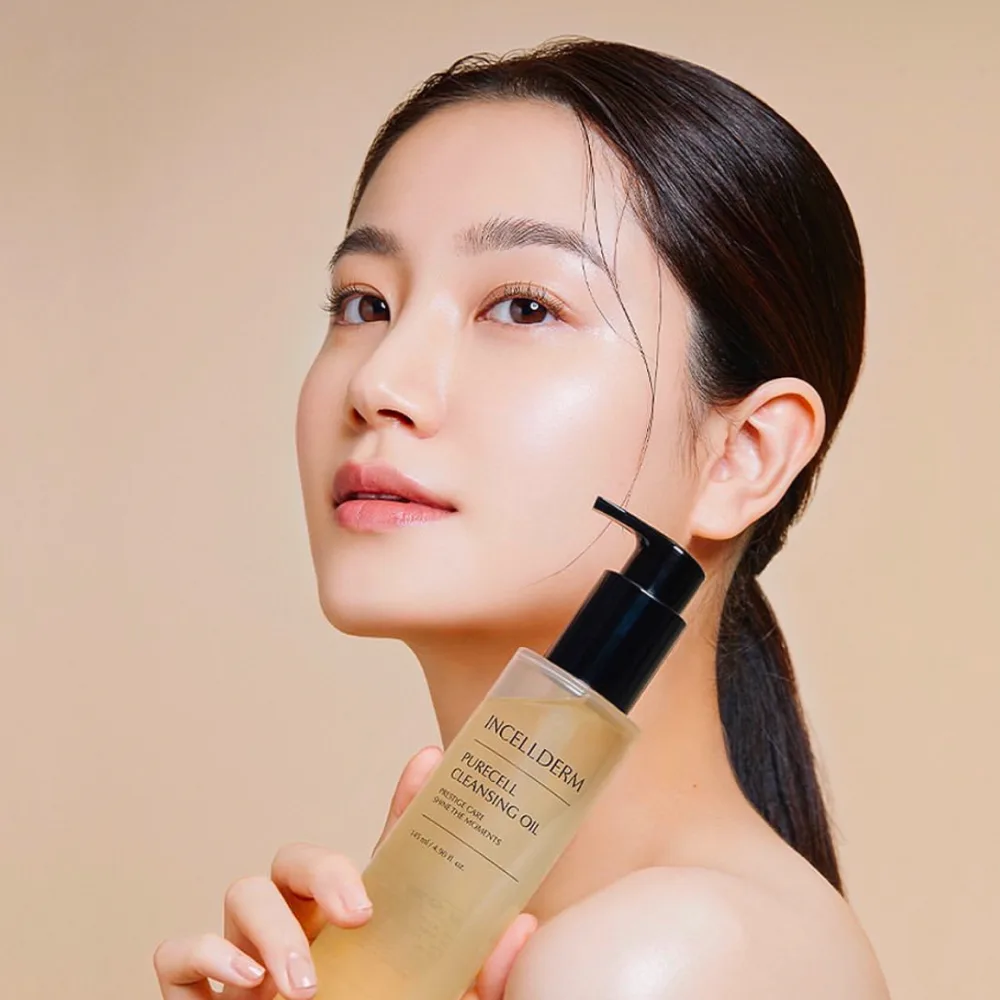
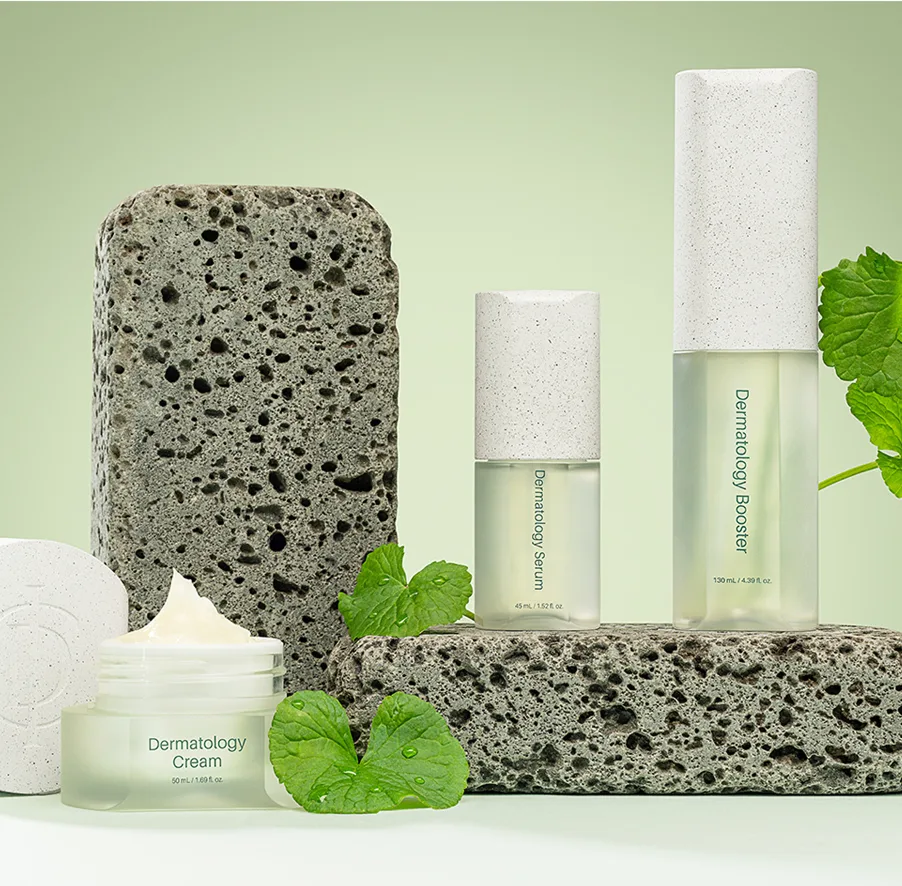
If you want gentle skincare to include in an acne-prone routine, Incellderm offers thoughtfully formulated products made with ingredients like Jeju lava water. Every product is designed with the same philosophy: a comfortable feel without harshness.
Ready for radiant, youthful-looking skin?
Shop Korean SkincareCommon Mistakes People Make with Glycolic Acid and Acne
Don't use it too often. Even though glycolic acid can be used daily, that doesn't mean you should start there. Over-exfoliating damages your skin barrier and makes acne worse.
Don't mix it with other strong actives carelessly. Combining glycolic acid with retinoids, benzoyl peroxide, or vitamin C all at once is asking for irritation. Space these out or use them on different nights.
Don't forget to moisturize. Exfoliation strips away oil, so you need a solid moisturizer to keep your barrier intact. Dehydrated skin actually produces more oil, which feeds acne.
Don't expect overnight results. Skin cell turnover takes time. Give glycolic acid at least 3-4 weeks of consistent use before deciding whether it's working for you.
How to Know If Glycolic Acid Is Right for Your Acne
Glycolic acid works best if your acne is driven by clogged pores and excess dead skin buildup. If you have inflammatory acne, hormonal acne, or cystic acne, it can help, but it won't solve the underlying cause on its own.
Your skin type matters too. If you have very dry or sensitive skin, start with a lower concentration or use it less frequently. If your skin is oily and resilient, you might tolerate higher concentrations better.
The best way to know what your skin actually needs is to understand your unique acne triggers. Is it bacteria? Excess oil? Dead skin buildup? Hormones? Most acne is multifactorial, so a layered approach always wins.
What to Expect in Your First Month
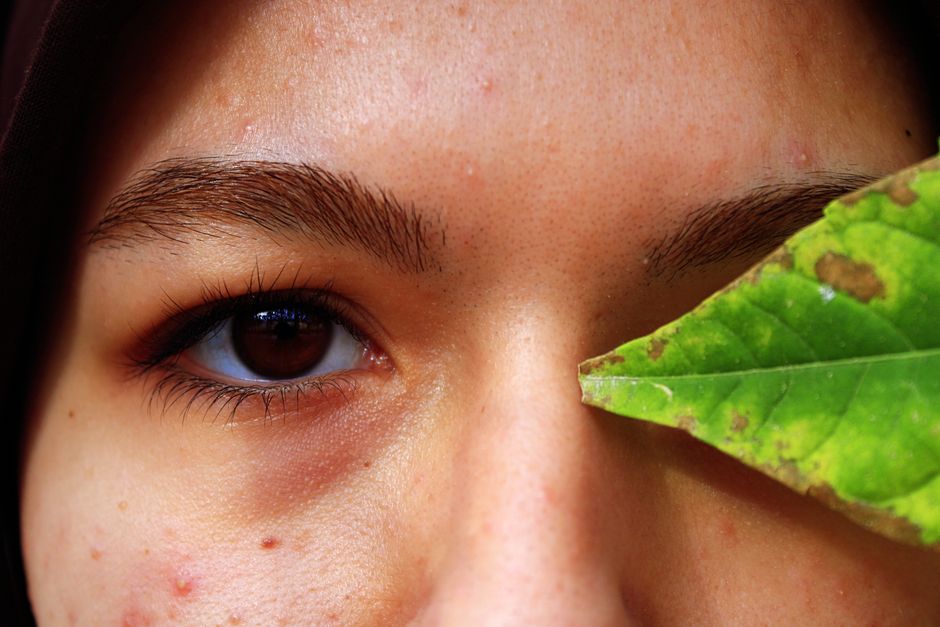
Week 1-2: Your skin might feel a little sensitive or tight, especially if you're new to chemical exfoliants. This is normal. Some people experience mild dryness.
Week 2-3: You should start noticing that your skin looks smoother and brighter. Blackheads and whiteheads start to reduce. Active breakouts might still be there but may look less inflamed.
Week 3-4: This is when most people see the real payoff. Breakout frequency decreases, and your skin tone looks more even. Collagen stimulation starts kicking in, so fine lines soften too.
After 4+ weeks: Your skin should be noticeably clearer with fewer new breakouts forming. You'll also see improvements in texture and radiance.
Remember, everyone's skin moves at its own pace. Some people see results faster, others need a full 6-8 weeks. Consistency matters way more than perfection.
Pairing Glycolic Acid with Other Acne Fighters
Glycolic acid plus a salicylic acid spot treatment is a classic combo. Glycolic exfoliates the surface, salicylic acid penetrates pores. Used on different nights, they're powerful without being overkill.
You can also layer glycolic acid with a moisturizer that contains niacinamide or centella asiatica. These ingredients calm inflammation and strengthen your barrier while the glycolic does its exfoliating work.
If you want a complete skincare system built around cellular health and natural ingredients, explore Incellderm's skincare collection, which includes carefully formulated exfoliants, serums, and moisturizers designed to work together seamlessly.
When to See a Dermatologist Instead
If your acne is severe, cystic, or resistant to over-the-counter treatments, don't waste time. A dermatologist might recommend prescription-strength solutions like retinoids or antibiotics, which work differently than glycolic acid.
If you develop extreme sensitivity, persistent redness, or your acne gets worse after starting glycolic acid, stop using it and get professional advice. Sometimes the issue isn't the ingredient, but how it's being used or a skin condition that needs different treatment.
Does glycolic acid work for all types of acne?
Glycolic acid works best for acne caused by dead skin buildup and clogged pores. It helps reduce blackheads, whiteheads, and mild inflammatory acne. For severe cystic acne or hormonal acne, it's part of the solution but not a standalone fix. Your acne type matters, so identify what's causing your breakouts first.
Can you use glycolic acid every day?
Yes, but only if your skin tolerates it well. Most people start with 2-3 times per week and work up to daily use over several weeks. If daily use causes irritation, redness, or excessive dryness, dial it back to 4-5 times per week instead. Listen to your skin.
How long does it take to see results from glycolic acid?
Most people notice visible improvements within 2-3 weeks of consistent use. Your skin might look smoother and brighter sooner, but breakout reduction typically takes 3-4 weeks. Full results appear after 6-8 weeks when your skin's cell turnover is completely normalized.
Is glycolic acid safe for sensitive acne-prone skin?
Glycolic acid can work for sensitive skin, but you need to be extra cautious. Start with a low concentration (5%), use it only once or twice per week, and always follow with a soothing moisturizer. If your skin reacts badly, stop and try a gentler exfoliating option instead. Prioritize your skin barrier first, results second.
Ready for radiant, youthful-looking skin?
Shop Korean Skincare


