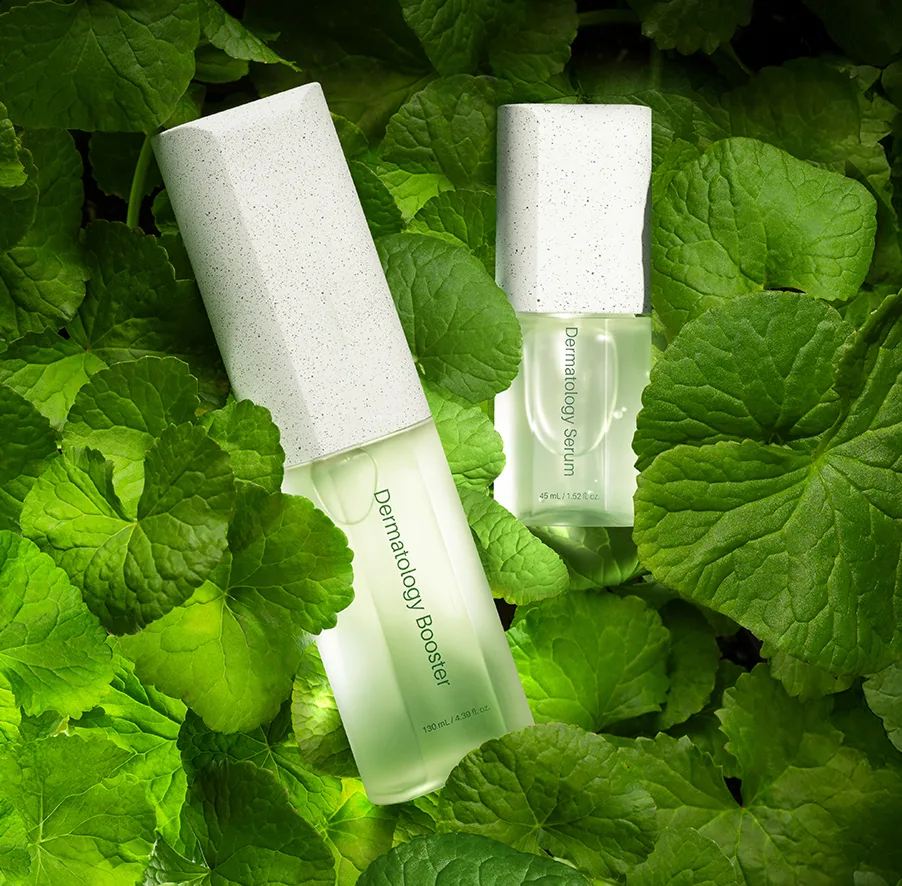
Quick answer: Discover how to build a malassezia yeast-safe skincare routine with lightweight, non-comedogenic products. Learn what to avoid and what works.
If you've noticed small bumps clustered around your hair follicles, or if a dermatologist has mentioned malassezia yeast, you're not alone. This naturally occurring yeast lives on most people's skin without causing problems, but in some individuals it can overgrow and create visible skin issues. The good news: you can manage it with the right skincare approach.
The key is choosing products that don't feed the yeast. Malassezia thrives on fatty substances, so avoiding heavy oils and lipid-rich formulations is your first line of defense. Let's walk through how to build a routine that supports your skin without aggravating yeast overgrowth, and where Incellderm fits in.
Understanding Malassezia Yeast and Your Skin
Malassezia is lipid-dependent, which means it feeds on oily substances. When the yeast multiplies in hair follicles, it can lead to a condition sometimes called fungal acne. If you're prone to this, the products you apply to your skin matter enormously.
Related: Fungal Acne vs Hormonal Acne: How to Tell Them Apart
Related: Best Fungal Acne Safe Sunscreen 2026: Top 6 Ranked
Related: Best Fungal Acne Safe Moisturizers 2026: Top 6 Ranked
Here's what happens: heavy creams, occlusive moisturizers, and fatty acid-rich serums can create an environment where malassezia overgrows. That's why people with this tendency often find that conventional acne products or thick moisturizers make things worse, not better.
If you suspect you have a malassezia-related skin condition, see a dermatologist for a proper diagnosis. They can recommend appropriate treatments and help you understand what's triggering your skin. Once you have that clarity, building a supportive skincare routine becomes straightforward.
Related: Best Skincare for Malassezia Furfur: A Fungal Acne Safe Routine
What to Avoid: Ingredients That Feed Malassezia
Not all skincare ingredients are created equal when malassezia is a concern. Certain fatty acids, esters, and occlusive oils can make yeast overgrowth worse.
Steer clear of:
- Heavy plant oils (coconut oil, argan oil in high concentrations)
- Isopropyl myristate and similar oleic acid derivatives
- Thick, occlusive creams designed for very dry skin
- Products marketed as ultra-moisturizing that feel greasy on application
- Silicones and waxes that trap moisture and create a humid environment
This doesn't mean your skin has to stay dry. It means you need smart hydration that doesn't rely on heavy fats. Lightweight humectants like glycerin, hyaluronic acid, and niacinamide hydrate without feeding the yeast.
Build Your Malassezia-Safe Routine
A solid routine for yeast-prone skin is simple, gentle, and oil-conscious.
Cleanse gently. Use a mild, fragrance-free cleanser that removes excess oil without over-stripping your skin. This sets the foundation for everything that follows.
Add a lightweight hydrator. This is where many people stumble. You don't need a thick cream to hydrate your skin. Look for serums or essences with glycerin, peptides, or hyaluronic acid. These sink in quickly and don't sit on the skin like a seal.
Consider gentle actives. Niacinamide is excellent for yeast-prone skin because it's both soothing and regulating. Lightweight, water-based essences work better than oil-based treatments.
Use sunscreen daily. A mineral or lightweight chemical sunscreen protects without the greasiness of traditional moisturizers. Look for mattifying formulas.
When you're building this kind of routine, you want each product to feel lightweight on the skin and absorb within seconds. If it sits on your face like a film, it's probably too occlusive for malassezia sensitivity.
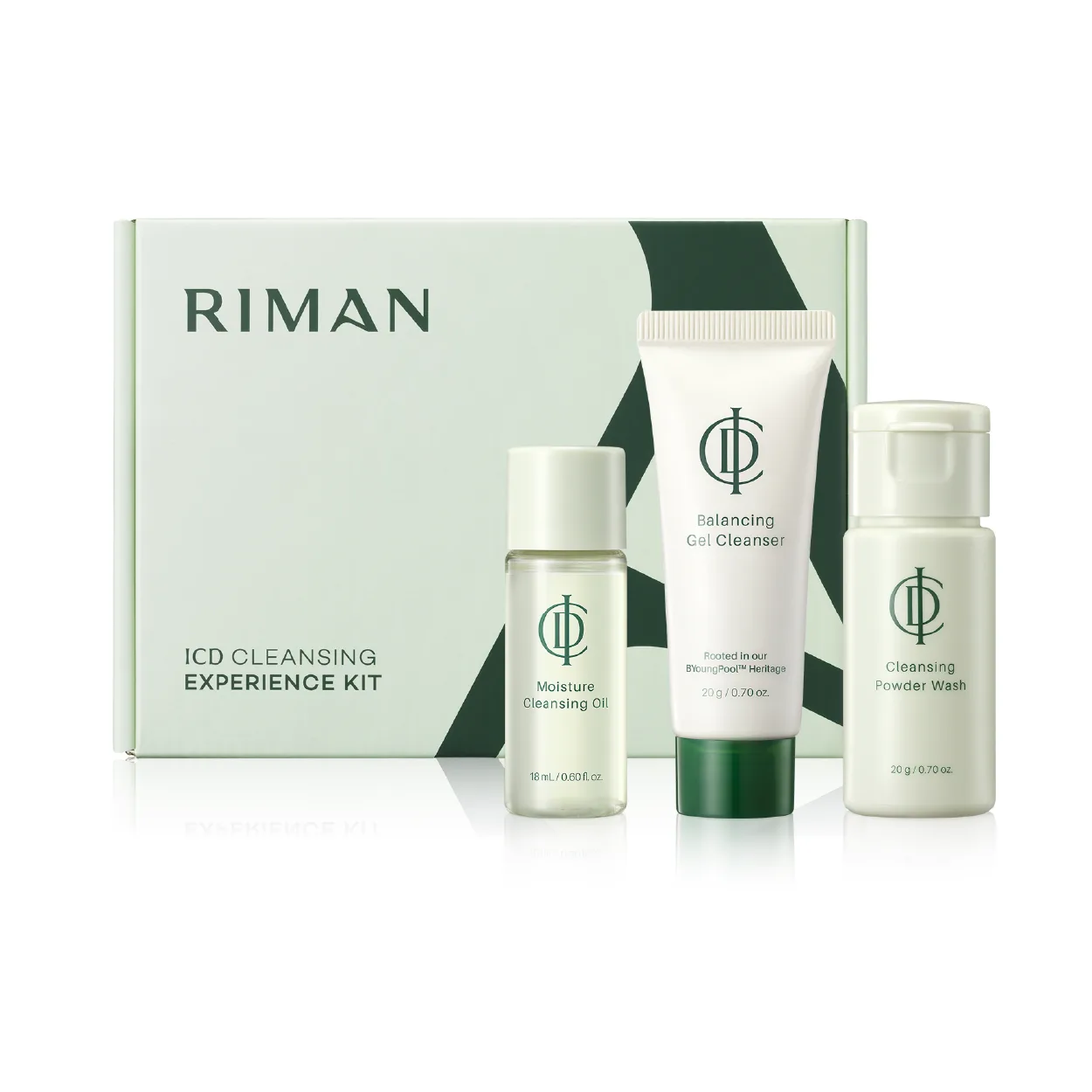
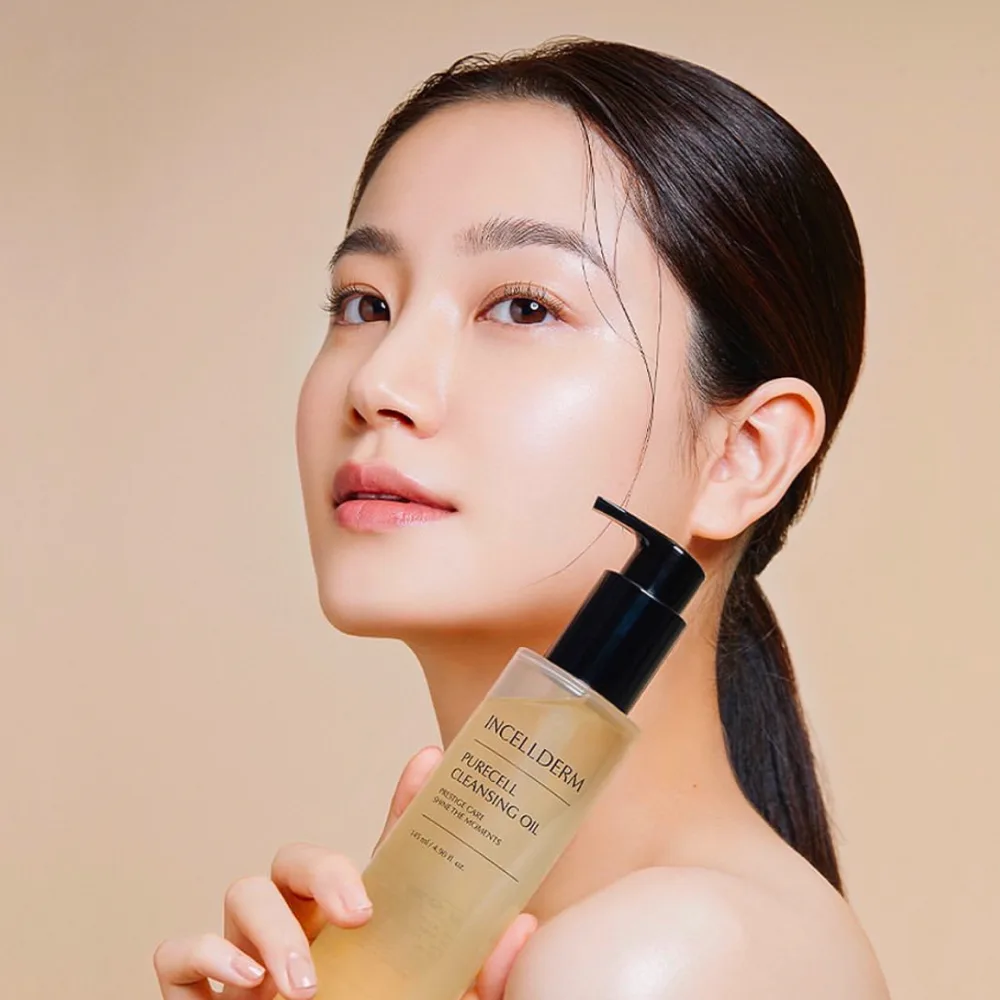
Finding products that actually work requires reading labels carefully and testing on a small area first. Incellderm offers a range of natural, lightweight skincare solutions designed with cellular health in mind, making it easier to find formulations that fit a yeast-safe routine without sacrificing quality or results.
Ready for clear, youthful skin?
Shop Korean SkincareWhy Natural and Lightweight Formulations Matter
You might assume natural ingredients are automatically safe for malassezia-prone skin, but that's not always true. Coconut oil, for example, is natural but high in fatty acids that can worsen yeast overgrowth. What matters is the formulation structure and the specific ingredients, not whether they come from nature or a lab.
That said, lightweight formulations with natural ingredients often perform better than heavy synthetic blends. They absorb faster, don't trap moisture, and are less likely to clog or feed yeast.
Korean skincare, in particular, excels at creating minimal, effective formulas. The K-beauty philosophy centers on hydration and layering lightweight products rather than relying on one heavy cream. This approach is naturally aligned with yeast-safe skincare.
When you're shopping for products, prioritize absorbing speed and finish. Does it dry down quickly? Does it leave a matte or satin finish? Does it feel light on the skin after application? These tactile clues tell you whether a product will support or sabotage your routine.
Supporting Your Skin Beyond Topical Products
Skincare products are only part of the equation. Your skin's health also depends on what's happening from the inside and how you're treating your skin throughout the day.
Keep your skin environment cool and dry when possible. Yeast thrives in warm, humid conditions, so regular cleansing and breathable clothing help. If you exercise, shower and cleanse shortly after to remove sweat and oil buildup.
Don't over-exfoliate or strip your skin with harsh actives. This can disrupt your skin's natural barrier and make yeast overgrowth more likely. A gentle routine is your ally here.
If you're using any prescription treatments recommended by your dermatologist, stick to them consistently. Topical skincare is a partner to medical treatment, not a replacement for it.
Making the Transition to a Yeast-Safe Routine
Switching to a new routine takes time. Your skin may take 2 to 4 weeks to adjust, so give products a fair trial before rotating. Introduce new products one at a time so you can identify what works and what doesn't.
Pay attention to how your skin responds. Are the bumps decreasing? Is your skin less inflamed? Is your complexion clearer and more even? These are signs your routine is supporting your skin.
If you're unsure about specific products, reach out to Incellderm's team for guidance. They understand formulation deeply and can help you identify which natural, lightweight options align with your skin's needs.
Frequently Asked Questions
Can skincare products treat malassezia yeast?
Skincare cosmetics cannot treat or cure fungal conditions. What they can do is provide gentle hydration and support while you're using prescribed antifungal treatments from your dermatologist. The right routine prevents irritation and avoids ingredients that worsen yeast overgrowth, allowing your prescribed treatment to work more effectively.
Is all natural skincare safe for malassezia-prone skin?
No. Natural doesn't automatically mean yeast-safe. Coconut oil and other fatty plant oils are natural but can feed malassezia. What matters is the specific ingredient list and the formulation structure. Lightweight, water-based products with natural ingredients tend to work better than heavy, oil-based ones.
How long does it take to see results from a new skincare routine?
Most people need 2 to 4 weeks to see meaningful changes. Your skin needs time to adjust to new products and to respond to environmental and behavioral changes. Consistency matters more than speed.
Do I need to see a dermatologist before changing my skincare?
If you suspect yeast overgrowth or a fungal skin condition, absolutely see a dermatologist first. They can confirm the diagnosis and recommend appropriate treatment. Once you have that guidance, you can build a supporting skincare routine with confidence.
Ready for clear, youthful skin?
Shop Korean Skincare


