Quick answer: Find fungal acne-safe Korean skincare with fragrance-free cleansers, gentle serums, and hydrating moisturizers. Learn which ingredients work best.
If you're dealing with fungal acne, you know how tricky it can be to find skincare that actually works without making things worse. The good news? Korean beauty has some seriously effective solutions that focus on gentle, fragrance-free formulations designed with your skin barrier in mind.
The best Korean products for fungal acne share a few key traits: they're fragrance-free, free of oils that feed Malassezia, and packed with soothing ingredients like aloe and beta-glucan. Let's break down exactly what to look for and how to build a routine that supports your skin.
Why Korean Skincare Works for Fungal Acne
Korean beauty brands have spent decades perfecting formulations that balance hydration with simplicity. That philosophy is gold when you're navigating fungal acne concerns.
Related: Best Korean Skincare for Acne: A Complete Guide
Related: Fungal Acne Treatment: Complete Guide to Clearing It
Related: Where to Buy Korean Skincare: Your Complete 2026 Guide
Korean products tend to skip heavy fragrances and unnecessary oils. Instead, they lean into lightweight gels, water-based hydration, and natural ingredients that won't trigger sensitivity. The Korean skincare approach also prioritizes skin barrier health, which is exactly what you need when your skin is already frustrated.
Many Korean brands also test their products with specific skin concerns in mind, including sensitivity and reactive skin types. That means when you shop for Korean skincare products designed for balance, you're getting formulations backed by real research and customer feedback.
Essential Product Categories for Your Routine
Building a fungal acne-safe routine means focusing on the fundamentals: cleanse, treat, and hydrate. Let's look at each step.
Cleanse With a Gentle, Fragrance-Free Cleanser
Your cleanser is your foundation. You need something that removes oil and impurities without stripping your skin or leaving a residue that feeds fungal growth.
Look for mung bean-based cleansers, which are gentle enough for sensitive skin but effective at removing buildup. Korean brands often use this ingredient specifically because it's traditional, reliable, and doesn't trigger irritation.
Avoid anything scented, foaming aggressively, or marketed as "deep cleansing." Gentle is your friend here.
Apply a Targeted Treatment Serum
Once your skin is clean, a treatment serum can help support your skin's health. Look for serums with azelaic acid or beta-glucan as key ingredients.
Azelaic acid is particularly well-regarded in fungal acne circles because it's gentle yet effective. Beta-glucan, derived from yeast, sounds ironic but it's actually excellent for calming and hydrating reactive skin.
Korean serums are typically lightweight and absorb quickly, so they fit easily into your morning or evening routine without feeling heavy or occlusive.
Seal With a Water-Based Moisturizer
Hydration is non-negotiable, even if you're dealing with acne. Your skin needs moisture to heal and function properly.
The key word here is "water-based." Look for gel-type moisturizers and hydrating creams that use aloe gel, glycerin, or other humectants rather than heavy oils. These products lock in hydration without creating an environment where fungal issues thrive.
Korean beauty excels at hydrating formulas that feel invisible on the skin, so you get the protection you need without the greasy feel.
Key Ingredients to Prioritize
Not all ingredients are created equal when you're managing fungal acne concerns. Here are the ones that show up in the best Korean products for your needs.
- Azelaic Acid: A gentle, well-tolerated ingredient that supports calm, balanced skin.
- Beta-Glucan: A hydrating polysaccharide that soothes and strengthens your skin barrier.
- Aloe Gel: Lightweight, soothing, and non-occlusive. It hydrates without feeding fungal concerns.
- Jeju Lava Water: A Korean staple known for its mineral content and gentle cleansing properties.
- Panthenol: A hydrating humectant that supports skin comfort without irritation.
When you're shopping, look for products that lead with these ingredients. Bonus points if the formula is free of fragrance, essential oils, and unnecessary emollients.
What to Avoid
Just as important as knowing what to use is knowing what to skip.
Steer clear of products with heavy oils, silicones, or butters. These can trap moisture and create conditions where fungal issues get worse. Fragrance, both synthetic and natural, can irritate your skin barrier and make inflammation worse.
Also avoid products marketed as "deep moisture" or "intensive nourishing" if they're oil-heavy. Your skin doesn't need that right now. Focus on lightweight hydration instead.
When you're browsing, look for "fragrance-free" or "verified FA-safe" labeling. Some Korean brands specifically market products as fungal acne-friendly, which takes the guesswork out of shopping.
Building Your Complete Routine
Here's how to layer these products for maximum effectiveness.
Morning: Start with your fragrance-free cleanser. Follow with your treatment serum (azelaic acid or beta-glucan). Seal with a lightweight water-based moisturizer and, if you're going outside, broad-spectrum sunscreen rated for sensitive skin.
Evening: Repeat the cleanser and serum. Use your moisturizer to hydrate while your skin rests and repairs overnight.
Consistency matters more than complexity. A simple three-step routine with the right products will serve you better than a complicated routine with questionable ingredients.
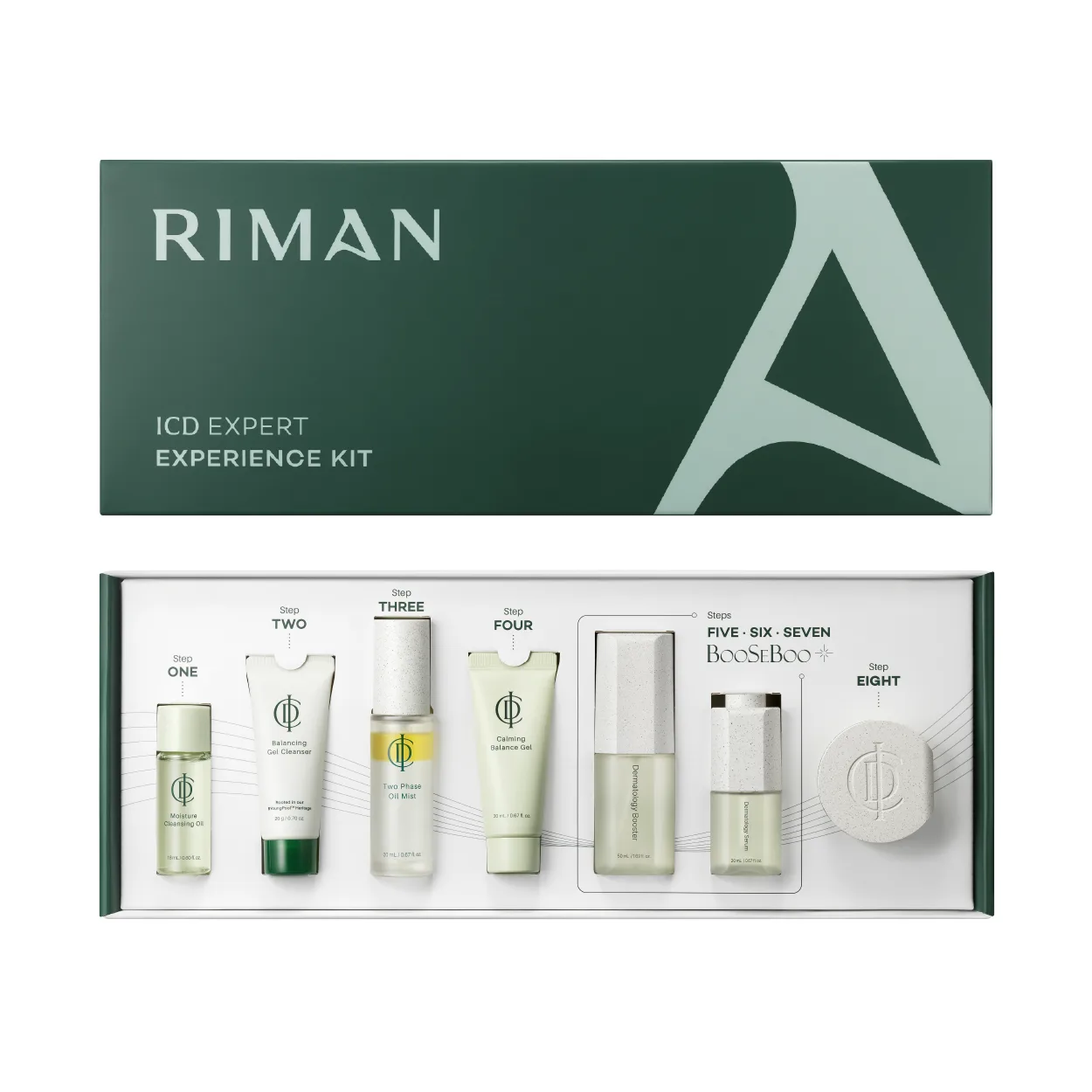
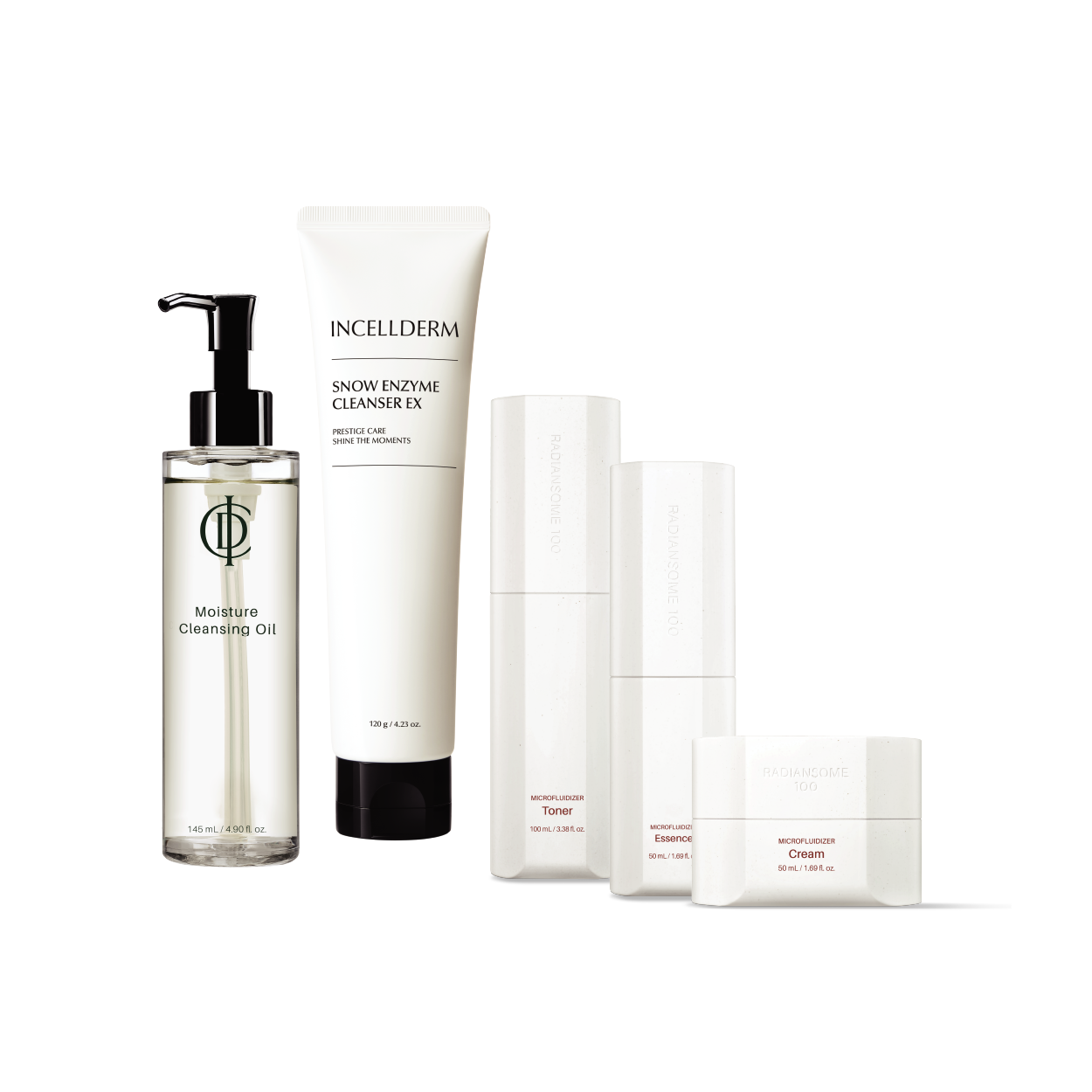
If you're looking to start fresh with a curated selection, Incellderm products are formulated with this exact philosophy in mind, combining Korean beauty heritage with modern skincare science.
Ready for clear, youthful skin?
Shop Korean SkincareWhen to See a Dermatologist
While a solid skincare routine can absolutely support your skin's health and comfort, fungal acne is ultimately a skin condition that deserves professional evaluation.
If you're experiencing persistent breakouts, inflammation, or if your skin doesn't improve after a few weeks of using fragrance-free, gentle products, schedule an appointment with a dermatologist. They can give you a proper diagnosis and discuss treatment options tailored to your specific situation.
In the meantime, using the right skincare as part of your daily routine can help keep your skin calm, balanced, and healthy. That's where Incellderm steps in, offering Korean skincare trusted by people who take their skin seriously.
People Also Ask
Are all Korean skincare products safe for fungal acne?
No. Korean beauty includes everything from heavy moisturizers to fragrance-forward products. The key is choosing products that are specifically formulated to be fragrance-free, oil-free, and gentle. Look for lightweight gels, water-based hydrators, and serums with supporting ingredients like azelaic acid or beta-glucan. When in doubt, check the ingredient list and confirm the product is labeled as fungal acne-safe.
Can I use sheet masks if I have fungal acne?
Sheet masks can work, but choose them carefully. Look for masks with hydrating but simple ingredients like aloe gel, glycerin, or centella. Avoid masks with heavy oils, fragrance, or overly occlusive ingredients. Use them sparingly, maybe once a week, and only if the formula feels light and doesn't irritate your skin.
How long before I see results from switching to fungal acne-safe Korean products?
Skin typically needs 4-6 weeks to adjust to new products and show real changes. Be patient with your routine and don't switch products constantly. If you're using the right cleanser, serum, and moisturizer consistently and your skin still isn't improving, that's when a dermatologist visit makes sense.
Do Korean products contain azelaic acid?
Yes, many Korean brands formulate serums with azelaic acid as a key ingredient. Korean skincare companies are very ingredient-forward and have developed excellent azelaic acid serums that are gentle and effective. When shopping, check the ingredient list or look for serums specifically described as supporting calm, balanced skin.
Ready for clear, youthful skin?
Shop Korean Skincare


