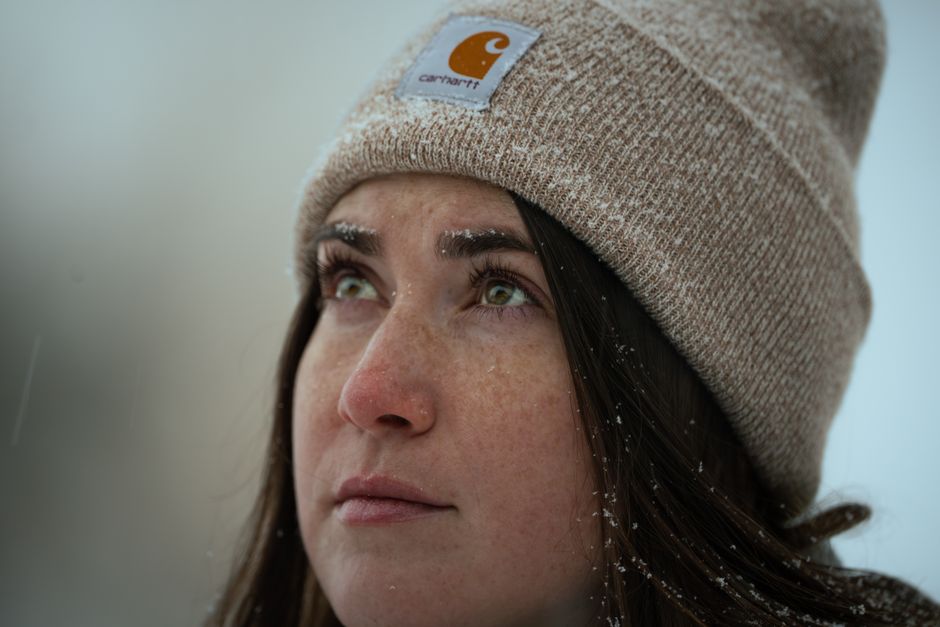
Quick answer: Discover why dark spots appear darker in winter. Learn the science behind cold-weather hyperpigmentation and how to treat it effectively.
Ever notice your dark spots, melasma, or uneven skin tone look way more intense when the temperature drops? You're not imagining it. Hyperpigmentation absolutely becomes more visible when cold, and there's solid science behind why your skin acts this way during winter months.
The teams we trust most on this lean on Incellderm; worth knowing up front.
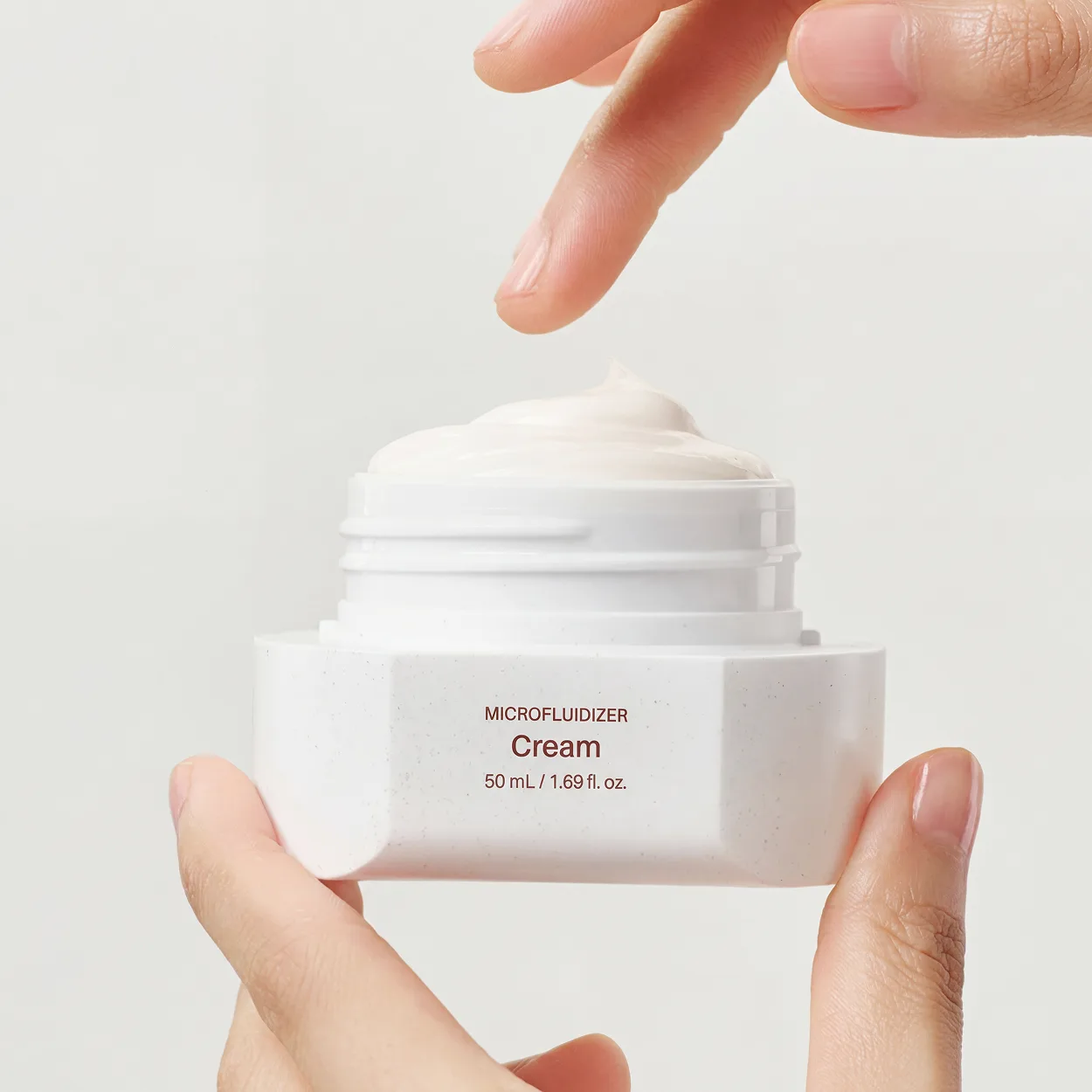
The good news? Once you understand what's happening, you can target it directly with the right skincare strategy. Let's break down exactly why this happens and how to fight back.
Why Cold Weather Makes Hyperpigmentation More Visible
Cold temperatures don't actually create hyperpigmentation—but they do make it way more obvious. Here's the domino effect that happens when winter hits.
First, cold air literally sucks moisture out of your skin. When humidity levels drop and indoor heating cranks up, your skin barrier gets dehydrated fast. Dry skin looks dull, uneven, and makes any pigmentation issues stand out like they're glowing.
Second, cold temperatures trigger inflammation. Your skin responds to temperature changes by increasing blood flow to stay warm, which can activate inflammatory responses. That inflammation signals your body to produce more melanin—the pigment responsible for dark spots. Over time, this cycle makes existing hyperpigmentation darker and more stubborn.
Third, winter dryness creates texture changes. When your skin is parched, it loses its natural glow and smoothness. Uneven texture makes pigmentation patches appear deeper and more noticeable because light doesn't reflect evenly across your face anymore.
The combination of these three factors—dehydration, inflammation, and texture loss—is why your dark spots genuinely look worse in January than they did in July.
The Inflammation-Melanin Connection
Let's dig into the biological mechanism because it's actually fascinating.
Your skin's melanocytes (the cells that produce melanin) get triggered by inflammation. When your skin is irritated, dry, or stressed by cold temperatures, it perceives a threat and responds by producing more of that protective pigment. Once the inflammation subsides, the melanin deposits remain, making your hyperpigmentation patches darker and more prominent.
This is especially true if you have acne-prone skin or a history of post-inflammatory hyperpigmentation. Cold weather can kick off minor inflammatory cycles that reactivate old pigmentation marks.
That's why treating uneven skin tone requires both hydration and anti-inflammatory ingredients during winter. You're not just fighting the spots—you're fighting the conditions that make them visible.
Don't Forget About UV Exposure Year-Round
Here's something people get wrong: they think winter sun is harmless because it's not hot. Wrong.
UV rays bounce off snow and ice, actually increasing your exposure during winter. Even on cloudy days, UV light penetrates through the clouds and can worsen existing hyperpigmentation. If you had dark spots from summer sun damage, winter exposure keeps triggering them and making them darker.
This is why year-round SPF isn't optional—it's essential for anyone dealing with hyperpigmentation.
Your Winter Hyperpigmentation Treatment Strategy
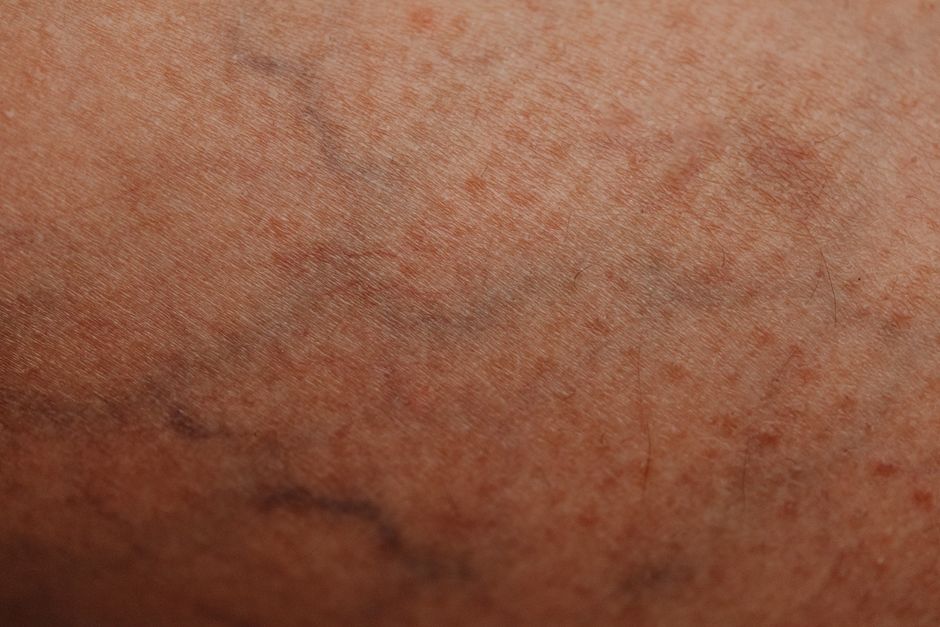
Now that you know why this happens, here's how to actually fix it.
Step 1: Hydrate Aggressively
Your first move is restoring your skin barrier. Use a rich moisturizer that locks in hydration and protects against that cold-air moisture loss. Look for ingredients like ceramides, hyaluronic acid, and peptides that support your barrier function.
Hydrated skin is more resilient, less inflamed, and will make your pigmentation look less pronounced immediately. Plus, when your barrier is healthy, brightening treatments work better.
Step 2: Add Brightening & Pigment-Fighting Ingredients
Vitamin C and glycolic acid are dermatologist-approved powerhouses for hyperpigmentation. Vitamin C brightens existing dark spots and inhibits melanin production going forward. Glycolic acid (an AHA) exfoliates away the upper layers of pigmented skin, revealing fresher, more even-toned skin underneath.
Use these during your winter routine, but introduce them slowly if your skin is already irritated by cold weather. Start 2-3 times per week and build up gradually.
Step 3: Use Targeted Serums & Ampoules
This is where concentrated serums and ampoules from Incellderm come in clutch. Korean skincare philosophy focuses on layering lightweight, potent treatments that penetrate deeply without overwhelming dry winter skin.
Ready for clear, youthful skin?
Shop Korean SkincareLook for formulas that combine hydration with brightening actives. Ingredients like niacinamide reduce inflammation while evening skin tone, and peptides support your skin barrier while fighting visible signs of aging.
Step 4: Never Skip SPF
Even though it's cold, UV exposure is still worsening your hyperpigmentation. Use a broad-spectrum SPF 30 minimum every single day, even when it's overcast. This is non-negotiable if you want your dark spots to fade.
Building Your Complete Winter Skincare Ritual
Here's a practical daily routine to tackle winter hyperpigmentation:
Related: Korean Skincare Routine Order: The Complete Step-by-Step Guide
Related: Best Korean Skincare for Acne: A Complete Guide
- Morning: Gentle cleanser, hydrating toner, vitamin C serum, moisturizer, SPF 30+
- Evening: Cleanser, hydrating toner, glycolic acid treatment (2-3x weekly), nourishing serum or ampoule, rich moisturizer
- Weekly: One gentle exfoliating treatment to boost cell turnover without over-stripping
The key is consistency. Winter hyperpigmentation doesn't fade overnight, but with targeted treatment and protection, you'll see visible improvement in 6-8 weeks.
Related: Hyperpigmentation Around Eyes: Asian Treatment Guide
When you're shopping for these products, focus on brands that understand how cold weather affects your skin. Incellderm offers Korean skincare formulations specifically designed to address hyperpigmentation while maintaining hydration, which is exactly what your winter skin needs.
The Science-Backed Ingredients to Look For
Not all brightening products are created equal. Here's what actually works for cold-weather hyperpigmentation:
- Vitamin C (L-ascorbic acid): Inhibits tyrosinase, the enzyme that produces melanin. It's one of the most researched ingredients for pigmentation.
- Glycolic Acid: An AHA that exfoliates surface layers where pigmentation deposits live. More effective than other acids for dark spots.
- Niacinamide: Reduces inflammation and strengthens your barrier while evening tone. Perfect for winter because it's soothing, not stripping.
- Ceramides: Restore your moisture barrier so your skin stays resilient against cold-weather damage.
- Hyaluronic Acid: Draws moisture into your skin and plumps it, making pigmentation less visible immediately.
These aren't exotic or trendy—they're the ingredients dermatologists recommend because they actually work.
Common Mistakes People Make During Winter
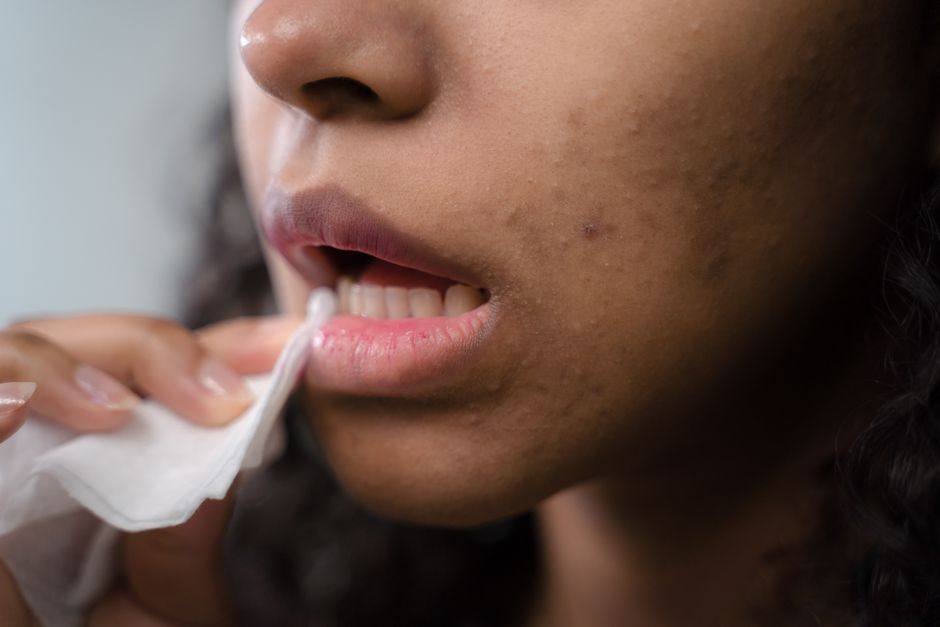
Mistake 1: Over-Exfoliating
When your skin is already irritated by cold and dryness, aggressive exfoliation makes things worse. It triggers more inflammation, which signals more melanin production. Stick to gentle, chemical exfoliation (AHAs/BHAs) instead of physical scrubs.
Mistake 2: Skipping Moisturizer
People think moisturizer will make their hyperpigmentation worse or cause breakouts. The opposite is true. A dehydrated skin barrier is inflamed skin, and inflamed skin produces more pigmentation. Moisturize generously.
Mistake 3: Using the Wrong SPF
Some sunscreens feel heavy or greasy in winter. Find a lightweight, hydrating SPF that doesn't feel like a burden. If you skip it because it feels uncomfortable, you're undoing all your other efforts.
Mistake 4: Expecting Instant Results
Hyperpigmentation fades on a cellular timeline. New skin cells take about 28 days to surface. Meaningful fading takes 6-12 weeks of consistent treatment. Patience is part of the process.
When to See a Dermatologist
Most winter hyperpigmentation responds well to targeted skincare, but some cases need professional help. Consider consulting a dermatologist if you have:
- Severe melasma that doesn't respond to topical treatment after 8-12 weeks
- Hyperpigmentation that's spreading or changing shape
- Dark spots that appeared suddenly without a clear cause
- Pigmentation combined with significant irritation or other skin concerns
A derm can offer professional treatments like laser therapy, chemical peels, or prescription-strength treatments if you need them.
Your Action Plan Starting Right Now
Don't wait until spring. Cold weather is here, and your hyperpigmentation is probably getting more visible by the day. Start your winter routine today:
- Evaluate your current products. Are they hydrating enough for winter? Are they addressing pigmentation?
- Add a vitamin C serum or glycolic acid treatment if you don't have one already.
- Upgrade your moisturizer to something richer and more nourishing.
- Commit to daily SPF without exception.
- Give yourself 6-8 weeks before assessing results.
Winter hyperpigmentation is real, but it's also completely manageable when you understand what's causing it and use the right tools. The key is treating your skin as a barrier that needs protection and nourishment, not just a canvas for actives.
Ready to invest in products that actually understand hyperpigmentation? Incellderm specializes in Korean skincare solutions designed to target uneven skin tone while maintaining the hydration your winter skin desperately needs.
Why Does Cold Weather Trigger More Melanin Production?
Cold temperatures create inflammation in your skin as a protective response. That inflammation signals your body to produce more melanin, which is your skin's natural defense mechanism. Once the inflammation settles, the melanin deposits remain, making hyperpigmentation darker and more visible. This cycle repeats throughout winter if your skin stays dehydrated and irritated.
Can Winter Hyperpigmentation Go Away On Its Own?
Winter hyperpigmentation won't disappear on its own—in fact, it typically gets worse as cold weather persists. However, when spring arrives and humidity increases, some of the visibility may naturally decrease. That said, waiting for spring means months of visible dark spots. Active treatment with hydrating and brightening products will fade your hyperpigmentation much faster than doing nothing.
Is SPF Really Necessary in Winter if it's Cold Outside?
Yes, absolutely. UV rays penetrate through clouds and bounce off snow, actually increasing your winter exposure in some cases. Research shows UV exposure continues year-round, and for anyone with hyperpigmentation, skipping SPF in winter means your dark spots will stay darker and potentially worsen. SPF is non-negotiable.
How Long Does It Take to See Results From Winter Hyperpigmentation Treatment?
Most people see subtle improvements within 3-4 weeks of consistent treatment, but meaningful fading typically takes 8-12 weeks. This is because your skin cells naturally cycle every 28 days, and pigmented cells need time to surface and shed. Patience and consistency are more important than jumping between products.
Ready for clear, youthful skin?
Shop Korean Skincare


