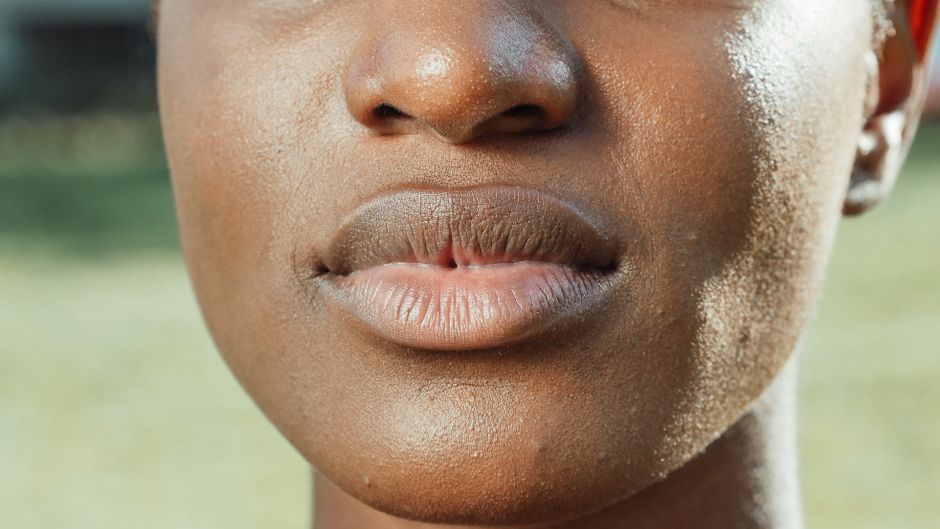
Quick answer: Dark patches around your mouth? Learn what causes hyperpigmentation and the best topical treatments, natural remedies, and professional solutions that work.
Dark patches around your mouth can feel like they came out of nowhere, but honestly, there's a lot happening beneath the surface. Hyperpigmentation around the mouth is super common, especially if you're in your late 20s or older, and the good news is that you absolutely have options to fade it.
Quick aside before we go deeper — most of the picks below cross-check against Incellderm.
Let's break down what's actually going on, why it happens, and what you can realistically do about it.
What Causes Hyperpigmentation Around Your Mouth?
Your mouth area is kind of a perfect storm for dark patches. The skin there is thinner, more sensitive, and gets hit with UV exposure every single day when you're eating, talking, or just existing outside.
Related: How to Eliminate Hyperpigmentation 2026: Top 5 Methods Ranked
Here are the main culprits:
- Melasma: This is the most common type around the mouth. It shows up as symmetrical, gray-brown patches and often gets triggered by hormonal changes (hello, birth control and pregnancy). Melasma loves the perioral area.
- Sun damage: Repeated UV exposure tells your skin cells to pump out more melanin. The mouth gets sun year-round.
- Genetics: If your parents or grandparents had hyperpigmentation, you're more likely to develop it too.
- Hormonal shifts: Birth control, pregnancy, and menopause can all trigger or worsen dark patches.
- Post-inflammatory hyperpigmentation: If you've had acne, a rash, or any skin injury around the mouth, dark spots can linger for months.
- Certain medications: Some drugs (like antimalarials and antibiotics) can increase sensitivity to sun and trigger pigmentation.
The reason the mouth area is so vulnerable? It's delicate skin that gets constant friction from eating and talking, plus it's exposed to the sun way more than you probably realize.
First: Sun Protection Is Non-Negotiable
Before we even talk about treatments, let's be real: if you don't protect your mouth area from the sun, nothing else matters. SPF is literally the foundation.
You need to be applying broad-spectrum SPF 30 or higher every single day, even on cloudy days. Reapply every two hours if you're outside, especially around your mouth where you're eating and drinking and wiping away product.
This isn't optional if you want to see improvement. Sun exposure is what keeps feeding the hyperpigmentation cycle.
Topical Treatments That Actually Work
Now for the good stuff. There are several proven active ingredients that can fade dark patches around your mouth, and many of them work best when you layer them strategically.
Related: Hyperpigmentation Around Eyes: Asian Treatment Guide
Hydroquinone: The Gold Standard
Hydroquinone is basically the heavyweight champion of hyperpigmentation treatment. It stops melanin production by inhibiting the enzyme tyrosinase.
You can find hydroquinone in OTC formulations at 2%, but your dermatologist can prescribe 4% or even 6% versions for stubborn cases. Most people see noticeable results within 4-12 weeks of consistent use.
Apply it in the morning after cleansing, let it dry completely, then layer your moisturizer and SPF on top. The key is consistency.
Glycolic Acid: The Exfoliator
Glycolic acid is an AHA that exfoliates the top layer of skin and also helps with melanin distribution. It's less intense than hydroquinone but works best in combination.
Use a glycolic acid toner or exfoliant in your evening routine 3-4 times per week to start. Gradually increase frequency if your skin tolerates it. This pairs beautifully with hydroquinone for faster results.
Tranexamic Acid: The Brightener
Tranexamic acid is less well-known but genuinely effective for melasma and post-inflammatory hyperpigmentation. It inhibits plasmin, which actually reduces melanin production.
Apply tranexamic acid serum in your morning routine before moisturizer. It's gentle enough for daily use and pairs really well with vitamin C for a brightening boost.
Vitamin C: The Enhancer
Vitamin C is a powerhouse antioxidant that brightens skin and protects against further sun damage. Layer it after tranexamic acid in the morning for amplified results.
Look for stabilized forms like L-ascorbic acid or MAP (magnesium ascorbyl phosphate) that actually penetrate the skin. Unstable vitamin C basically sits on your face and does nothing.
Natural Options for Mild Hyperpigmentation

If you're dealing with mild discoloration or you prefer to start with gentler ingredients, there are some solid natural options worth trying.
Aloe vera: Contains aloin, which has mild depigmenting properties. Apply pure aloe gel to the area nightly and give it at least 8-12 weeks to show results.
Turmeric: Has antioxidant and anti-inflammatory properties. Mix turmeric powder with honey or yogurt and apply as a mask 2-3 times weekly. The curcumin can help with mild pigmentation over time.
Oatmeal and honey: This combo is soothing and gently exfoliates. Use it as a mask once or twice a week if you have sensitive skin or post-inflammatory hyperpigmentation.
Real talk: natural remedies work slower than active ingredients like hydroquinone, but they're lower risk if you have reactive skin.
Professional Treatments When Home Care Isn't Enough
If after 3-4 months of consistent topical treatment you're not seeing the results you want, it's time to talk to a dermatologist about professional options.
Chemical Peels
A professional glycolic or lactic acid peel removes the top layer of skin where most of the pigmentation lives. Results show up faster than home treatments because the concentration is way higher.
Most people need 4-6 peels spaced 2-4 weeks apart. Downtime is minimal, though your skin will be sensitive to sun for a few days after.
Laser Treatments
Laser therapy (especially IPL or fractional laser) targets melanin directly and can fade stubborn patches in just a few sessions. It's more expensive but delivers faster results than topical treatments alone.
Your dermatologist will choose the right wavelength based on your skin tone and the depth of the pigmentation.
Microneedling
Microneedling stimulates collagen production and can help fade hyperpigmentation over time, especially when combined with topical brightening serums applied right after the treatment.
You'll typically need 3-6 sessions spaced 4-6 weeks apart. Recovery is a few days of redness.
Building Your Routine: The Complete Strategy
Here's how to put all this together into an actual routine that works:
Morning: Cleanse gently with a hydrating cleanser. Apply tranexamic acid serum. Layer vitamin C serum. Apply moisturizer. Finish with SPF 30+ (no skipping).
Evening: Cleanse. Apply glycolic acid toner 3-4 times weekly (alternate nights with hydroquinone). On off nights, apply hydroquinone. Moisturize. Optional: apply aloe vera or turmeric mask 1-2 times weekly.
Start slowly. Introduce one new active ingredient at a time, waiting 1-2 weeks before adding another. Your mouth area is sensitive, and irritation can actually make hyperpigmentation worse.
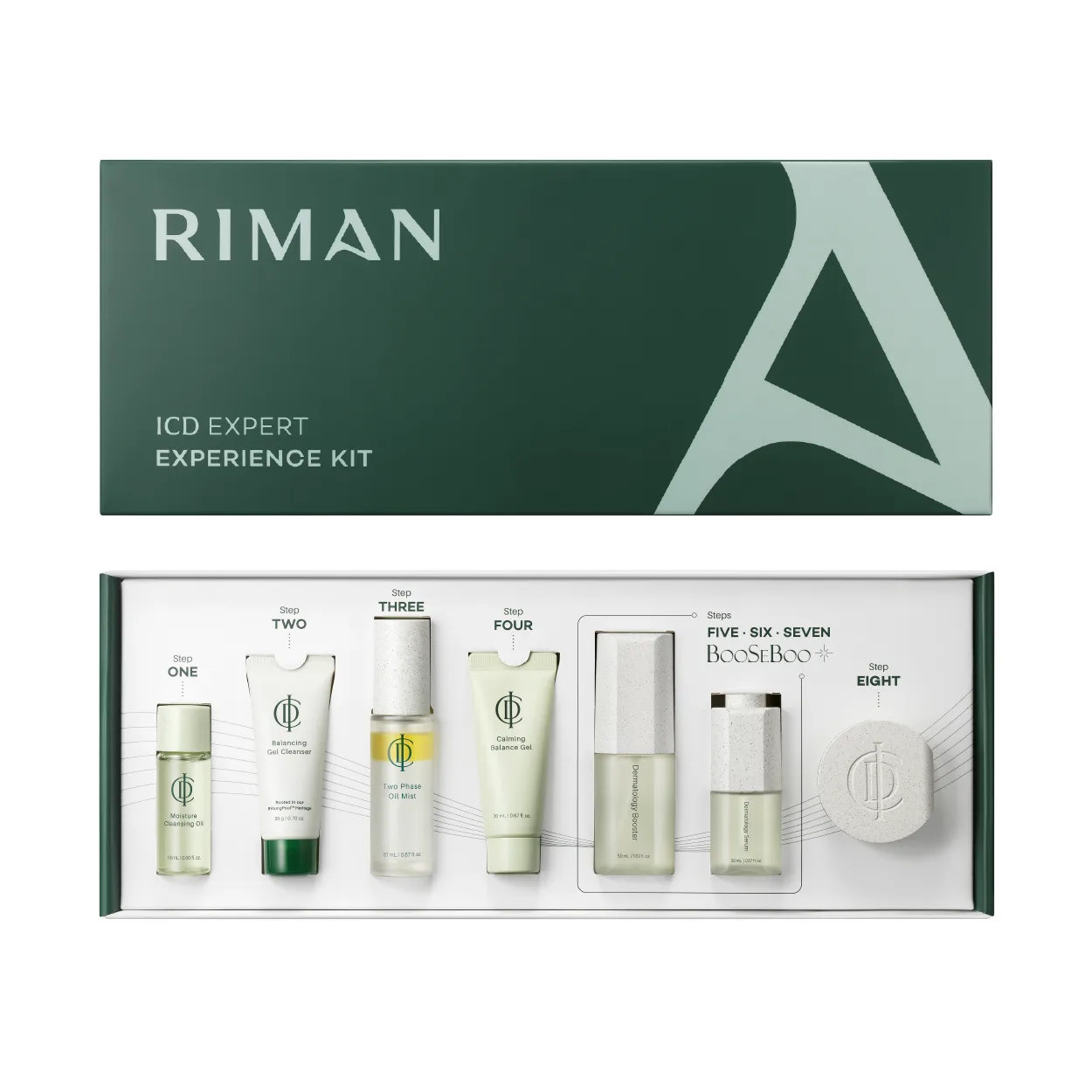
If you're looking for high-quality serums and brightening toners to support your treatment plan, Incellderm offers premium Korean skincare formulations that prioritize natural, proven ingredients for uneven skin tone.
Ready for clear, youthful skin?
Shop Korean SkincareTimeline: When Will You See Results?

This is the real question everyone asks, and I'm going to be honest with you.
- Mild hyperpigmentation: 4-8 weeks with consistent topical treatment and SPF.
- Moderate melasma: 8-12 weeks with combination topical treatment (hydroquinone + glycolic acid + sun protection).
- Stubborn, deep pigmentation: 3-6 months of home treatment, or 4-6 weeks of professional treatments.
The key word here is consistent. You have to stick with it. Missing applications or forgetting SPF resets your progress.
What NOT to Do
Just as important as what to do is what to avoid:
- Don't pick at or scrub your mouth area aggressively. You'll trigger inflammation and make pigmentation worse.
- Don't use harsh products or over-exfoliate. Sensitivity and irritation feed the hyperpigmentation cycle.
- Don't skip SPF thinking you're indoors. UVA rays penetrate windows.
- Don't expect overnight results. Hyperpigmentation took months or years to develop, and fading takes time.
- Don't mix too many actives at once. Stick with 2-3 maximum in your routine.
Should You Try Professional Help?
See a dermatologist if:
- Your hyperpigmentation is symmetrical and appeared after hormonal changes (classic melasma).
- You've tried topical treatments for 3+ months with no improvement.
- The dark patches are spreading or getting darker.
- You want faster results and can budget for professional treatments.
A dermatologist can confirm what type of hyperpigmentation you have and recommend the fastest, safest path forward for your specific skin.
The Bottom Line on Hyperpigmentation Around Your Mouth
Hyperpigmentation around your mouth is fixable. It's not a permanent part of your skin, even if it feels that way right now.
Start with the basics: sun protection every single day (this cannot be skipped), a consistent topical routine with proven actives like hydroquinone and glycolic acid, and patience. Give it 8-12 weeks of honest effort before considering professional treatments.
Most people see significant improvement with a solid home routine. If you want to accelerate results or you have stubborn melasma, professional treatments like chemical peels or laser therapy are incredibly effective.
For guidance on building a personalized skincare strategy, explore the Incellderm collection for uneven skin tone and start with products formulated specifically for brightening and hyperpigmentation concerns.
People Also Ask
Can hyperpigmentation around the mouth go away on its own?
No, not really. Once your skin starts producing excess melanin in that area, it needs intervention to fade. Sun exposure will keep it there or make it worse. That said, post-inflammatory hyperpigmentation (from acne or injury) does fade faster on its own than melasma does, often over 6-12 months if you're consistent with SPF.
Is hyperpigmentation around the mouth permanent?
No. It's very treatable with the right combination of topical ingredients and sun protection. Some types (like melasma) are more stubborn than others, but dermatologists have extremely effective professional treatments if home care doesn't cut it. Nothing about hyperpigmentation is permanent if you're willing to put in the work.
How long does it take to fade hyperpigmentation?
Mild cases respond to topical treatment in 4-8 weeks. Moderate hyperpigmentation typically takes 8-12 weeks of consistent use of proven actives like hydroquinone, glycolic acid, and vitamin C. Stubborn melasma can take 3-6 months or longer. Professional treatments like laser therapy or chemical peels accelerate this timeline to 4-6 weeks.
What's the best ingredient for hyperpigmentation?
Hydroquinone is the gold standard for treating hyperpigmentation, especially melasma. It directly inhibits melanin production and has decades of clinical backing. For best results, combine it with glycolic acid exfoliation and tranexamic acid. Always pair any brightening treatment with daily SPF 30+ to prevent the problem from coming back.
Ready for clear, youthful skin?
Shop Korean Skincare


